

What Is a Possible Long-Term Effect of Continued Exposure to Air Pollution?
A possible long-term effect of continued exposure to air pollution is a higher risk of chronic heart and lung disease, including COPD, heart disease, stroke, and lung cancer.
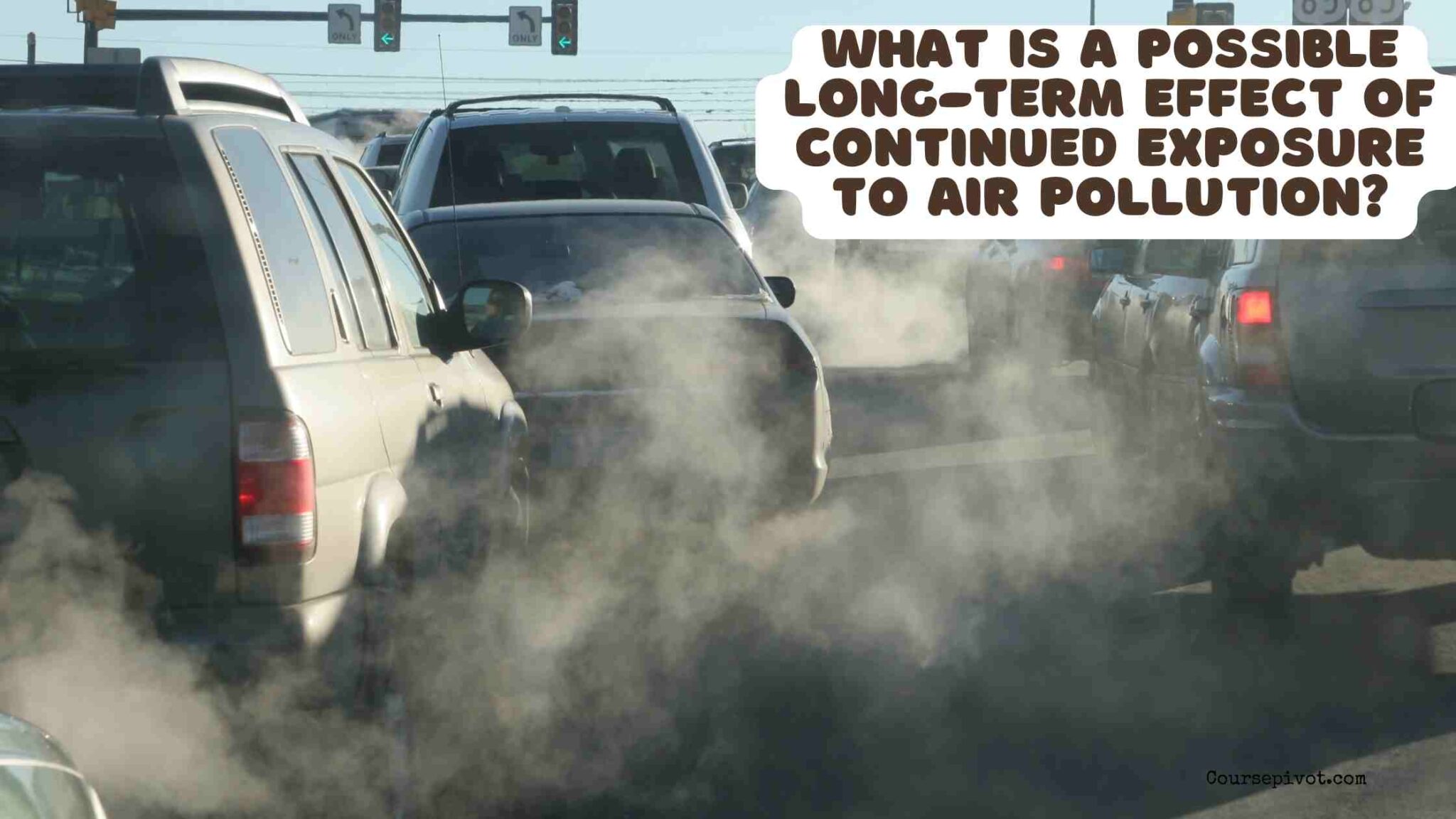
A possible long-term effect of continued exposure to air pollution is a higher risk of chronic heart and lung disease. This can include chronic obstructive pulmonary disease, reduced lung function, asthma complications, heart disease, stroke, lung cancer, and premature death.
Air pollution is not only an outdoor visibility problem. Many harmful pollutants are invisible. Fine particles and gases can enter the airways, irritate tissues, trigger inflammation, and place stress on the cardiovascular system over time.
The clearest educational answer is that long-term exposure to air pollution can damage the respiratory and cardiovascular systems, making diseases such as COPD, heart disease, stroke, and lung cancer more likely.
This article is for general education and does not replace medical advice. If you have chest pain, severe shortness of breath, fainting, blue or gray lips, confusion, or breathing trouble that feels urgent, seek emergency help.
The Short Answer
One possible long-term effect of continued exposure to air pollution is chronic disease, especially disease involving the lungs and heart.
Air pollution has been linked with:
- Reduced lung function
- Worsened asthma
- Chronic obstructive pulmonary disease, or COPD
- More respiratory infections
- Heart attacks
- Stroke
- Irregular heartbeat
- Lung cancer
- Premature death
The exact risk depends on the type of pollution, the amount of exposure, how long the exposure continues, a person’s age, existing health conditions, genetics, income, housing, work environment, and access to healthcare.
Long-term exposure is especially concerning because the harm may build slowly. A person may not notice one single moment when pollution “causes” disease. Instead, repeated exposure can contribute to inflammation, reduced lung growth or lung function, blood vessel stress, and higher disease risk over many years.
Why Air Pollution Affects the Body
Air pollution is a mixture of gases and particles. Common pollutants include fine particulate matter, ozone, nitrogen dioxide, sulfur dioxide, carbon monoxide, and pollutants from traffic, factories, power plants, wildfires, burning fuels, and industrial processes.
Fine particulate matter is especially important because the particles are tiny enough to travel deep into the lungs. Some particles may pass into the bloodstream or trigger body-wide inflammation.
The lungs are the first point of contact. Polluted air can irritate the airways, increase mucus, worsen coughing, reduce lung function, and make breathing harder. For people with asthma, COPD, or other lung conditions, pollution can trigger symptoms and increase the chance of emergency care.
The heart and blood vessels can also be affected. Pollution can contribute to inflammation, blood vessel dysfunction, changes in blood clotting, increased blood pressure, irregular heart rhythms, and stress on the cardiovascular system.
That is why air pollution is not only a lung issue. Public-health sources consistently link long-term exposure with cardiovascular disease as well as respiratory disease.
Long-Term Lung Effects
Continued exposure to air pollution can harm the lungs in several ways. It may reduce lung function, worsen asthma, increase respiratory symptoms, and contribute to chronic lung disease.
Children are a special concern because their lungs are still developing. Long-term exposure to polluted air may affect lung growth and make respiratory problems more likely. Children also breathe more air relative to their body size than adults, and they may spend more time active outdoors.
Adults can also experience long-term lung harm. Repeated exposure can irritate airways and contribute to chronic inflammation. Over time, this may increase the risk of chronic bronchitis, COPD, and other respiratory problems.
People who already have asthma or COPD may notice more coughing, wheezing, chest tightness, or shortness of breath during poor air-quality days. If breathing symptoms become severe, this guide on possible signs of difficulty breathing explains when symptoms may need urgent attention.
Air pollution is also linked with lung cancer risk, especially long-term exposure to fine particle pollution. This does not mean every person exposed to pollution will develop cancer, but it does mean pollution can add to lifetime risk.
Long-Term Heart and Blood Vessel Effects
One of the most serious long-term effects of air pollution is increased risk of cardiovascular disease. Fine particle pollution has been associated with heart attacks, strokes, heart failure, irregular heartbeat, and cardiovascular death.
This surprises many people because they think of pollution as something that only affects breathing. But the lungs and blood vessels are closely connected. When pollutants irritate the lungs, the body may respond with inflammation and changes that affect circulation.
Long-term exposure may also contribute to higher blood pressure and damage to blood vessel function. For people who already have heart disease, diabetes, high blood pressure, or a history of stroke, poor air quality can be especially risky.
Air pollution is one risk factor among many. Diet, exercise, smoking, genetics, stress, sleep, and medical care also matter. Still, air pollution is important because it affects entire communities, including people who did not choose the exposure.
If you are learning about cardiovascular health, this article on what causes the bottom number of blood pressure to be high can help connect blood pressure to broader heart and blood vessel strain.
Who Is Most at Risk?
Air pollution can affect anyone, but some groups are more vulnerable.
Children are at higher risk because their lungs and immune systems are still developing. Older adults are more vulnerable because they are more likely to have heart or lung disease. Pregnant people may also be more sensitive to pollution-related health risks, and air pollution has been linked with adverse birth outcomes.
People with asthma, COPD, heart disease, diabetes, high blood pressure, or weakened immune systems may be more affected by polluted air. Outdoor workers, athletes, delivery workers, construction workers, and people who exercise near busy roads may also have higher exposure.
Communities near highways, industrial sites, ports, power plants, wildfire-prone areas, or high-traffic corridors may experience more pollution. Low-income communities and some minority populations may face higher exposure because of housing patterns, workplace risks, limited access to healthcare, and environmental inequities.
This is why air pollution is both a health issue and a public-policy issue. Individual choices help, but cleaner air often requires community, industry, and government action.
Short-Term Exposure vs Long-Term Exposure
Short-term exposure and long-term exposure can both cause harm, but they work differently.
Short-term exposure may trigger immediate symptoms. A person may cough, wheeze, feel chest tightness, experience irritated eyes or throat, or have an asthma attack on a high-pollution day. Hospitals may see more visits for asthma, heart problems, or breathing issues when pollution levels rise.
Long-term exposure is more gradual. It may increase the risk of diseases that develop over years, including COPD, heart disease, stroke, and lung cancer. It may also reduce life expectancy at the population level.
The difference is similar to sun exposure. One day of too much sun can cause a burn, while years of repeated exposure can raise long-term skin damage risk. With air pollution, a bad air day can trigger symptoms, while years of exposure can contribute to chronic disease.
Both types matter. People with asthma, heart disease, or other risk factors should pay attention to daily air-quality alerts, while communities should also work to reduce long-term pollution levels.
How to Reduce Exposure
No one can completely avoid air pollution, but you can reduce exposure during high-risk times.
Check the Air Quality Index, often called AQI, before outdoor exercise or long outdoor activities. On unhealthy air days, reduce intense outdoor activity, exercise indoors if possible, close windows, and use properly maintained air filtration when available.
Avoid exercising near heavy traffic when you can. Pollution levels are often higher close to busy roads, especially during rush hours. Choosing parks, side streets, or indoor spaces may reduce exposure.
During wildfire smoke events, stay indoors when possible, keep indoor air cleaner, avoid adding indoor pollution from candles or smoke, and consider a well-fitting N95 respirator if you must be outside and local guidance recommends it.
People with asthma, COPD, heart disease, or pregnancy should ask a healthcare professional what steps are best for their situation. They may need an action plan for poor air-quality days.
Students can also connect personal habits to larger environmental choices. This guide on how students can reduce carbon footprint explains practical ways to think about pollution, energy use, and climate-related choices.
Why Clean Air Is a Public Health Priority
Air pollution affects more than individual comfort. It affects school attendance, work productivity, hospital visits, healthcare costs, childhood development, pregnancy outcomes, chronic disease, and life expectancy.
Cleaner air policies can produce large public-health benefits because they reduce exposure for many people at once. Regulations, cleaner energy, better transportation planning, industrial controls, wildfire prevention, urban trees, building standards, and community monitoring can all play a role.
This is also why environmental science careers are important. Measuring air quality, designing cleaner systems, studying health impacts, advising policy, and developing pollution-control technology are all part of protecting public health. If that interests you, read about future career fields in environmental science.
Clean air is easy to take for granted until it disappears. But from a health perspective, it is as basic as clean water and safe food.
Final Thoughts
A possible long-term effect of continued exposure to air pollution is chronic heart and lung disease. Over time, polluted air can contribute to reduced lung function, asthma complications, COPD, heart disease, stroke, lung cancer, and premature death.
The risk is not equal for everyone. Children, older adults, pregnant people, people with existing health conditions, outdoor workers, and communities with higher pollution exposure may face greater harm.
The practical lesson is simple: protect yourself on poor air-quality days when you can, support cleaner air in your community, and take breathing or chest symptoms seriously when they appear.