

Why Smoking Has Been Prohibited in Many Public Places
Smoking is prohibited in many public places mainly to protect people from secondhand smoke and keep shared environments safer and cleaner.
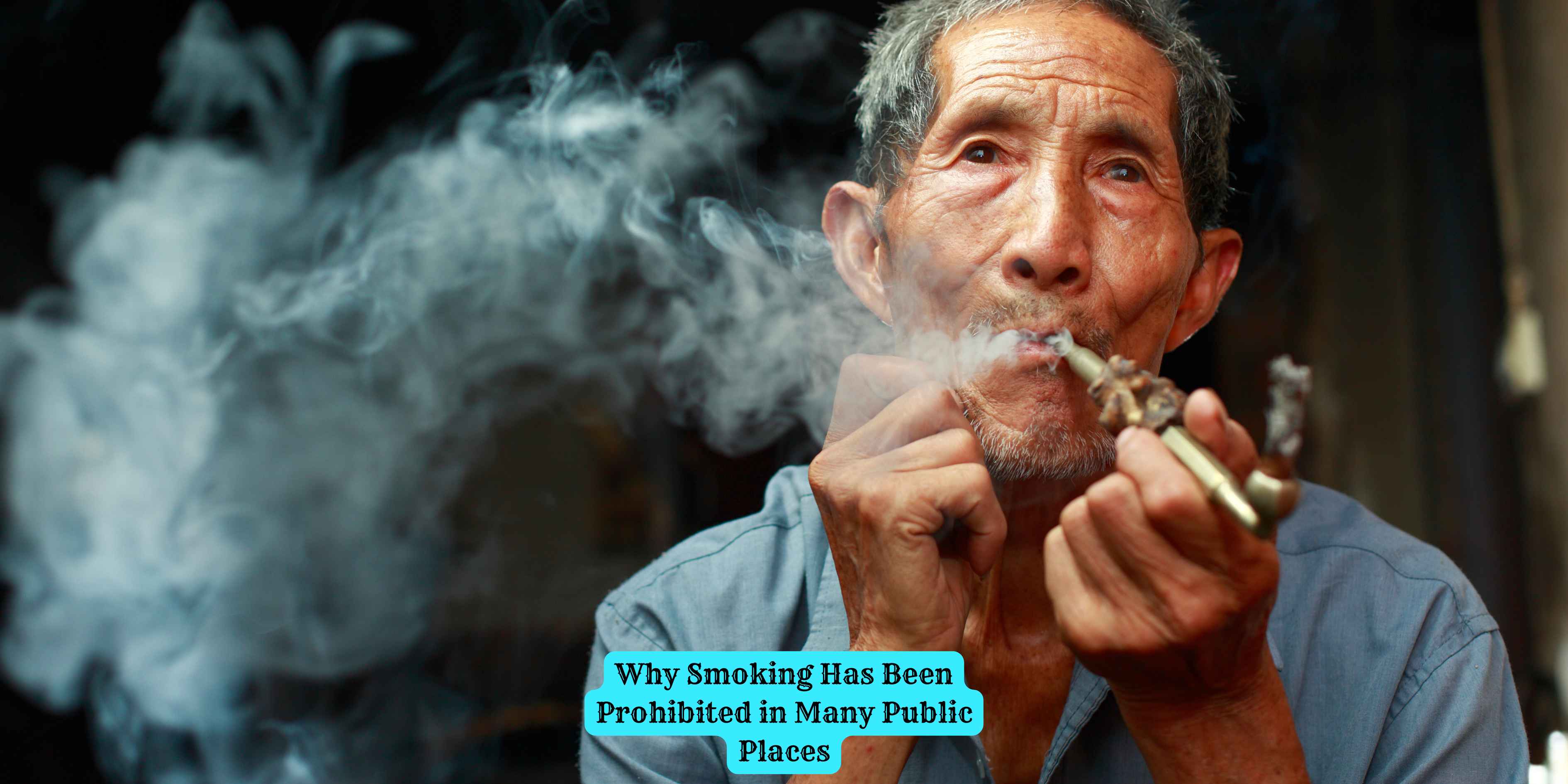
The Main Reason
Smoking has been prohibited in many public places because secondhand smoke can harm people who are not smoking. Public places are shared spaces, so governments, schools, businesses, hospitals, airports, restaurants, and workplaces often restrict smoking to protect public health.
The rule is not only about the smoker’s personal choice. It is also about the people nearby who may inhale smoke without choosing to. Smoke-free rules exist because one person’s smoking can become another person’s exposure.
Secondhand Smoke Is a Health Risk
Secondhand smoke is the smoke that comes from burning tobacco products and the smoke breathed out by a person who is smoking. It contains harmful chemicals and can affect people nearby.
Children, older adults, pregnant people, and people with asthma, heart disease, or lung conditions may be especially vulnerable. Even people who are generally healthy may still be exposed to substances they did not choose to breathe.
This is why many public health agencies support smoke-free indoor spaces.
Public Places Are Shared Spaces
Public places are different from private spaces because many people use them together. A restaurant, bus stop, office, school entrance, hospital, or airport lobby must serve people with different health needs and preferences.
If smoking is allowed in those spaces, people who do not smoke may have no easy way to avoid the smoke. A worker may not be able to leave a job site. A child may not be able to leave a school event. A patient may not be able to avoid a hospital entrance.
Smoking bans help make shared spaces more usable for everyone.
Ventilation Does Not Fully Solve the Problem
Some people ask why buildings cannot simply create smoking sections or improve ventilation. Ventilation can reduce odor and move air, but it does not always remove the health risk from secondhand smoke.
Smoke can drift between rooms, through doors, and across outdoor seating areas. In many settings, separate smoking sections are not enough to protect people who do not smoke.
That is why many policies prohibit smoking entirely inside certain public places instead of trying to divide the same air.
Smoking Rules Also Reduce Fire Risk
Smoking can create fire hazards when cigarettes, matches, or ashes are handled carelessly. This matters in crowded places, dry outdoor areas, hospitals, schools, hotels, and workplaces with flammable materials.
Fire risk is not the only reason for smoking restrictions, but it is one practical reason many properties set strict rules about where smoking is allowed.
Smoke-Free Policies Protect Workers
Workers are a major reason public smoking laws became important. A customer might spend one hour in a smoky place, but an employee could spend many hours there every week.
Restaurant staff, bar workers, hotel workers, cleaners, security staff, and healthcare workers should not have to breathe smoke as part of their job. Smoke-free workplace rules help protect employees who cannot simply walk away from exposure.
This is one reason smoking restrictions are often treated as occupational health rules as well as public health rules.
Smoking Bans Can Support People Trying to Quit
Smoke-free places may also help people who are trying to quit smoking. Fewer smoking cues in daily life can make it easier for some people to avoid relapse.
This does not mean public bans alone make quitting easy. Nicotine addiction can be difficult, and many people need support, counseling, medication, or repeated attempts. But public policies can create environments where smoking is less automatic and less socially expected.
What About Personal Freedom?
The debate often includes personal freedom. Adults may argue that they should be allowed to make their own choices about smoking. That concern matters, but public policy usually balances one person’s freedom with another person’s right to a safer shared environment.
In many places, smoking is not banned everywhere. It is restricted in locations where exposure affects others. People may still be allowed to smoke in designated outdoor areas or private settings, depending on local law.
The basic principle is that personal choice becomes a public issue when it exposes other people to harm.
Why the Rules Differ by Location
Smoking laws vary by country, state, city, and property owner. Some areas ban smoking in restaurants, workplaces, parks, beaches, campuses, apartments, or near building entrances. Others have fewer restrictions.
Rules may also include vaping or e-cigarettes because public officials want simpler enforcement or because aerosol exposure is still a concern.
The details differ, but the main reason is consistent: public smoking restrictions aim to protect health, reduce involuntary exposure, and make shared spaces safer.