

Why Naturally Occurring Components in Air Can Be Air Pollutants
A substance can be natural and still be a pollutant when its amount, location, or effect becomes harmful.
The Short Answer
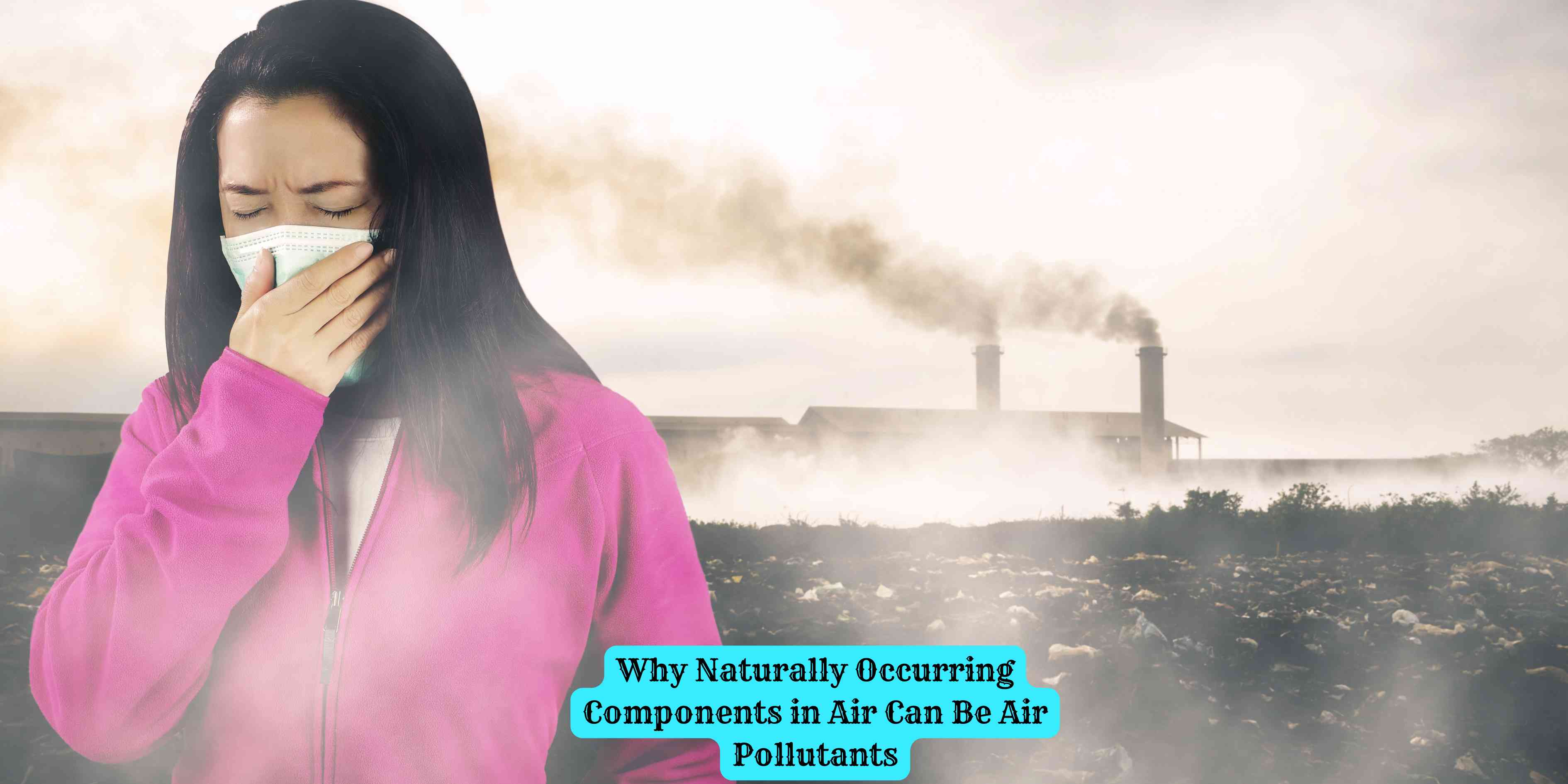
Components naturally found in air can be considered air pollutants when they occur at harmful concentrations, in the wrong part of the atmosphere, or in conditions that damage health, ecosystems, climate, or property. A pollutant is not defined only by whether it is natural. It is defined by its harmful effect.
Even a natural substance can become pollution when there is too much of it in the wrong place.
Natural Does Not Always Mean Harmless
Many substances in air are natural. Oxygen, nitrogen, carbon dioxide, water vapor, ozone, dust, pollen, and methane can all occur naturally.
But natural substances can still cause harm. Pollen can trigger allergies. Dust can irritate lungs. Smoke from wildfires can make breathing dangerous. Carbon dioxide is natural, but excess greenhouse gas levels affect climate.
The issue is not only origin. The issue is exposure and impact.
Concentration Matters
Concentration means how much of a substance is present. A small amount may be harmless, while a high amount may become dangerous.
For example, carbon dioxide is a normal part of air. Plants use it in photosynthesis. But in high concentrations indoors, it can indicate poor ventilation and may cause discomfort. At a global scale, excess carbon dioxide contributes to climate change.
The same principle applies to many air components.
Location Matters
Where a substance is found can determine whether it is helpful or harmful. Ozone is the classic example.
High in the stratosphere, ozone helps protect life by absorbing harmful ultraviolet radiation. Near the ground, ozone is a pollutant that can irritate the lungs and worsen asthma.
This is why ozone can be both beneficial and harmful depending on location.
Chemical Reactions Matter
Some air pollutants form through chemical reactions. Ground-level ozone is not usually emitted directly. It forms when other pollutants react in sunlight.
Natural and human-made emissions can both participate in atmospheric chemistry. For example, volatile organic compounds from plants can contribute to reactions under certain conditions, especially when mixed with nitrogen oxides from vehicles or industry.
Air pollution often depends on mixtures, not just single substances.
Health Effects Matter
Air components become pollutants when they harm human health. Fine particles, smoke, ozone, and high levels of certain gases can affect breathing, heart health, eyes, throat, and overall well-being.
Sensitive groups may include children, older adults, outdoor workers, pregnant people, and people with asthma, heart disease, or lung disease.
| Component | Natural Role | Pollutant Concern |
|---|---|---|
| Ozone | UV protection aloft | Lung irritant near ground |
| Carbon dioxide | Plant input | Climate driver in excess |
| Dust | Natural particles | Breathing irritation |
| Pollen | Plant reproduction | Allergy trigger |
Environmental Effects Matter
Air pollutants can harm more than people. They can damage crops, forests, lakes, buildings, and wildlife.
For example, too much ground-level ozone can damage plant tissues and reduce crop productivity. Excess nitrogen compounds can affect soils and water after deposition from the air.
Pollution is therefore both a public health issue and an ecological issue.
Human Activity Can Increase Natural Components
Humans often increase substances that already occur naturally. Carbon dioxide, methane, and particulate matter all have natural sources, but human activity can raise their levels.
Fossil fuel burning, agriculture, land clearing, industry, and transportation can increase concentrations beyond natural background levels.
This connects with how human impact on the environment has expanded over time.
The Main Takeaway
Naturally occurring air components can be considered pollutants when they become harmful because of concentration, location, chemistry, or exposure.
Natural origin does not automatically make a substance safe. Clean air depends on balance, context, and keeping harmful levels low enough to protect people and ecosystems.