

How can Students Reduce Carbon Footprint
Students can reduce their carbon footprint by changing daily habits around transport, electricity, food waste, shopping, reuse, school projects, and climate awareness.
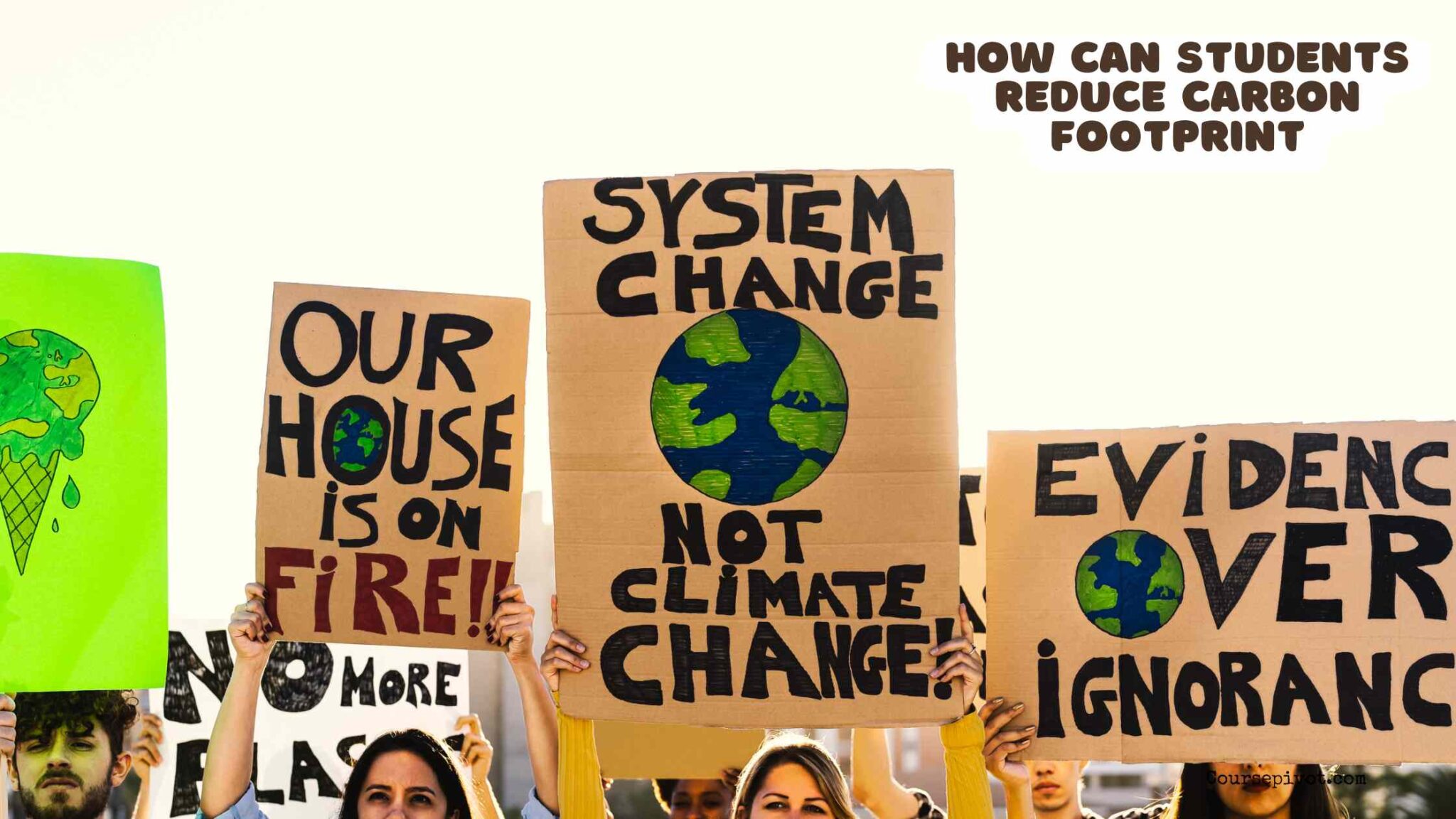
Students may not control national energy policy, public transportation systems, or how products are manufactured. But they still make daily choices that affect energy use, waste, food, transportation, and consumption. Those choices can add up, especially when a whole class, school, or campus takes action together.
A carbon footprint is the amount of greenhouse gases connected to a person’s activities, usually expressed as carbon dioxide equivalent. It includes things like electricity use, transport, food choices, waste, and the products people buy.
Students can reduce their carbon footprint most effectively by focusing on habits they repeat often: how they travel, eat, use energy, buy things, and handle waste.
Walk, Bike, Carpool, or Use Public Transport When Possible
Transportation is one of the biggest sources of greenhouse gas emissions in many places. For students, this often shows up in daily trips to school, weekend travel, rides to activities, and short car trips that could sometimes be avoided.
Walking or biking to school can reduce emissions while also supporting physical health. If distance or safety makes that unrealistic, students can consider public transportation, school buses, shared rides, or carpooling with classmates.
The goal is not perfection. A student may not be able to change every trip. But replacing even some single-person car rides with lower-carbon options can make a difference over time.
Save Energy in Dorms, Homes, and Classrooms
Electricity, heating, and cooling all contribute to a student’s carbon footprint, especially when energy comes from fossil fuels. Simple habits can reduce unnecessary energy use.
Students can turn off lights when leaving a room, unplug chargers when they are not being used, close windows when heating or air conditioning is on, use natural light when possible, and avoid leaving laptops, monitors, or game consoles running all day.
In classrooms, students can help by reminding groups to turn off projectors, fans, lights, and equipment after use. Small actions become more meaningful when they become shared habits.
Reduce Food Waste
Food waste has a climate cost because energy, water, land, labor, packaging, transportation, and refrigeration are used before food ever reaches a plate. When food is thrown away, that wasted effort also becomes wasted emissions.
Students can reduce food waste by taking realistic portions, saving leftovers safely, planning snacks, sharing unopened packaged food when allowed, and avoiding impulse food purchases they will not finish.
This can also save money. For students on a tight budget, reducing waste pairs well with practical planning, such as using budget-friendly meal ideas for college students instead of buying food randomly and throwing much of it away.
Eat More Low-Impact Meals
Students do not have to become perfect environmental experts to make better food choices. A practical starting point is to eat more plant-rich meals, reduce food waste, and choose meals that use fewer heavily packaged or highly transported ingredients when possible.
For example, a student might choose beans, lentils, rice, vegetables, oats, fruits, eggs, or simple homemade meals more often. Even one or two lower-impact meals per week can help build a habit.
The key is balance. Students should still eat enough food, respect their culture, consider their health needs, and avoid turning climate action into guilt. A sustainable diet should be realistic enough to continue.
Buy Less and Reuse More
Every product has a footprint. Clothes, electronics, notebooks, backpacks, furniture, and decorations all require materials, manufacturing, packaging, and transport. Buying less is often more powerful than only trying to recycle more.
Students can reduce consumption by repairing items, borrowing when appropriate, buying secondhand, swapping clothes or books, using refillable bottles, and avoiding trendy purchases that will be thrown away quickly.
This habit is especially useful in school settings where students may feel pressure to constantly upgrade supplies, outfits, or gadgets. Reusing what still works is not embarrassing. It is smart, economical, and environmentally responsible.
Cut Down on Single-Use Items
Single-use items are products used once and then thrown away, such as disposable cups, plastic bags, plastic utensils, excessive packaging, and some takeout containers. These items may seem small, but they can create a lot of waste when used daily.
Students can carry a reusable water bottle, lunch container, shopping bag, or utensils when it makes sense. Schools can also help by offering water refill stations, recycling points, and waste-reduction campaigns.
This is a simple area where student leadership matters. A class project or club campaign can help more people understand how repeated small choices affect the environment.
Use Technology Wisely
Digital tools can support learning, but they still use energy through devices, networks, data centers, and charging. Students do not need to avoid technology, but they can use it more thoughtfully.
Practical habits include closing unused tabs, deleting files no longer needed, keeping devices longer when they still work, repairing instead of replacing when possible, and avoiding unnecessary printing.
Technology can also help students learn about climate solutions. For example, students using AI tools in class can ask for explanations, project ideas, or study questions about climate change while still checking facts carefully. That connects with responsible digital learning, as explained in how students can use AI in the classroom.
Start or Join School Sustainability Projects
Individual habits matter, but school-wide action can multiply the impact. Students can start recycling drives, food waste audits, tree-planting projects, classroom energy challenges, repair clubs, garden projects, or awareness campaigns.
They can also ask school leaders about reducing paper waste, improving cafeteria planning, adding bike racks, supporting refill stations, or reducing unnecessary energy use on campus.
This is where education becomes action. Learning about the environment is important, but applying that learning through real projects helps students build leadership, teamwork, communication, and problem-solving skills.
Measure Progress Without Chasing Perfection
Students can use carbon footprint calculators, energy trackers, waste audits, or simple habit checklists to understand where their biggest impact may be. Measuring progress helps students avoid guessing and focus on actions that matter.
At the same time, no student should feel personally responsible for solving climate change alone. Bigger systems matter too: energy grids, transportation planning, school policies, product design, and government decisions all affect emissions.
Still, students can influence those systems by learning, voting when eligible, joining school committees, speaking up respectfully, and supporting better environmental choices in their communities.
Final Thoughts
Students can reduce their carbon footprint by walking or biking when possible, saving energy, wasting less food, choosing lower-impact meals, buying less, reusing more, reducing single-use items, using technology wisely, and joining school sustainability projects.
The best approach is practical and consistent. Climate action becomes easier when students turn it into normal daily habits instead of treating it like a one-time challenge.
Start with one area you can control this week. Then add another. Small choices become stronger when they are repeated, shared, and supported by a community.