

3 Possible Signs of Difficulty Breathing
Possible signs of difficulty breathing include trouble speaking, blue or gray lips or skin, noisy or labored breathing, chest tightness, confusion, or sudden severe shortness of breath.
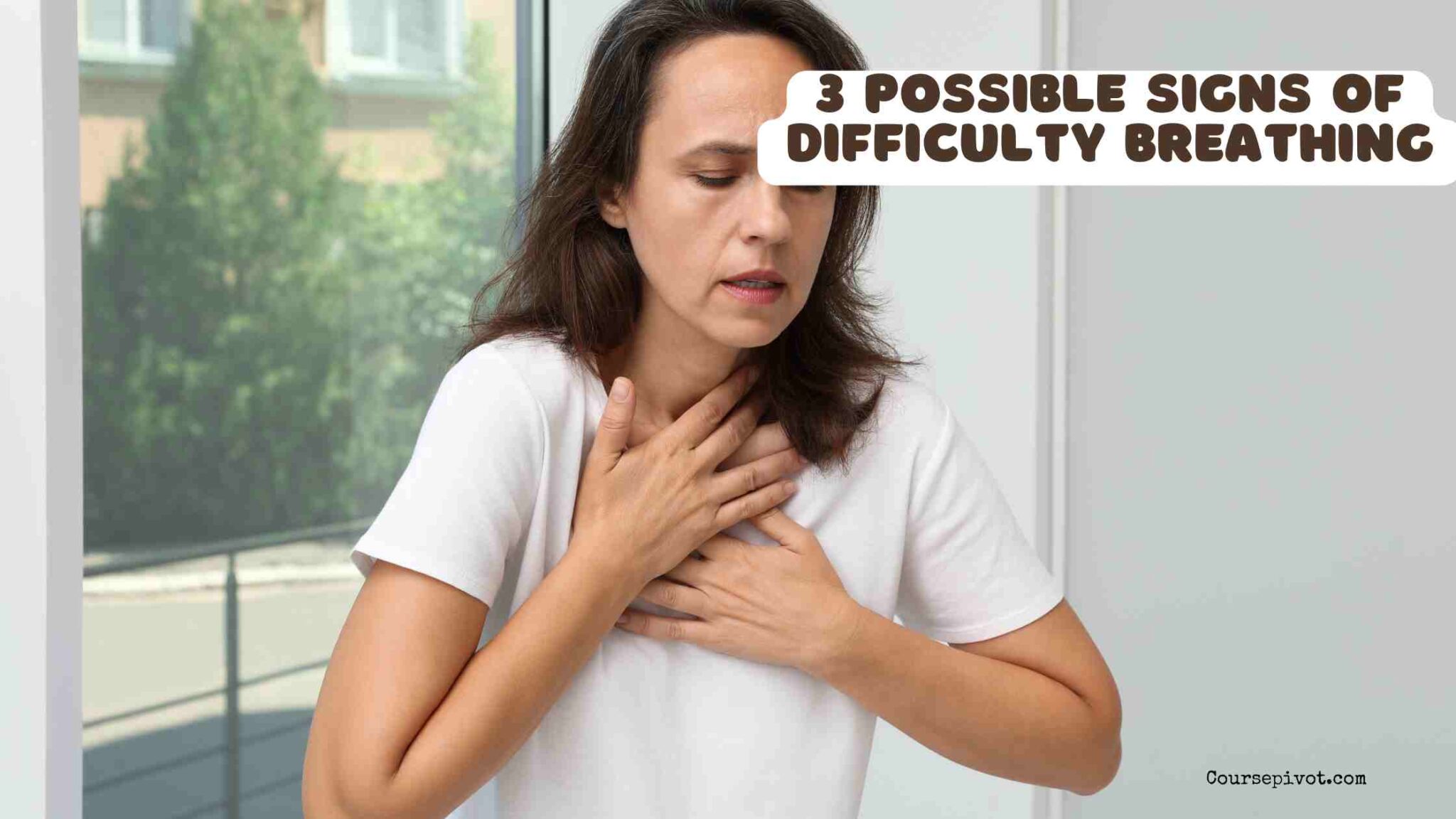
Difficulty breathing means a person is struggling to get enough air, cannot breathe comfortably, or feels unusually short of breath. It can happen suddenly, build slowly, appear during activity, or happen even while resting.
Some causes are mild and temporary, but breathing problems can also be a medical emergency. The safest rule is simple: if breathing feels severe, sudden, unusual, or connected with other warning signs, get help quickly.
Call emergency services right away if someone cannot breathe normally, cannot speak in full sentences, has blue or gray lips or skin, feels chest pain or pressure, becomes confused, faints, has severe wheezing, or develops swelling of the lips, tongue, throat, or face.
This article is educational and does not replace medical advice. If you are unsure whether breathing symptoms are serious, it is better to seek urgent help than to wait.
Call Emergency Services First If Breathing Is Severe
Before looking at the three signs, it is important to separate everyday breathlessness from dangerous breathing difficulty.
It is normal to breathe harder after running, climbing stairs, exercising, laughing hard, or carrying something heavy. In those cases, breathing should improve after rest. The person should still be alert, able to talk, and gradually return to normal.
Breathing difficulty is more concerning when it starts suddenly, happens at rest, keeps getting worse, or comes with symptoms such as chest tightness, fainting, blue lips, confusion, choking, severe wheezing, or pain spreading to the arm, back, neck, jaw, or shoulder.
Do not try to diagnose the cause at home when symptoms look severe. Trouble breathing can be linked to asthma, allergic reactions, infections, heart problems, blood clots, choking, injuries, panic attacks, or other conditions. Some of these need treatment immediately.
If someone is struggling to breathe, call emergency services, keep the person upright if possible, loosen tight clothing, and stay with them until help arrives. If they have a prescribed rescue inhaler, epinephrine auto-injector, oxygen plan, or other emergency treatment, help them follow their medical instructions.
1. Trouble Speaking or Breathing at Rest
One possible sign of difficulty breathing is not being able to speak comfortably. A person may pause after every few words, gasp between sentences, or avoid talking because it takes too much effort.
This matters because speaking requires controlled breathing. If someone cannot finish a short sentence, the body may be working hard just to move air in and out.
Breathing at rest can also be a warning sign. If a person is sitting still but breathing fast, clutching the chest, leaning forward to breathe, or saying they cannot get enough air, take it seriously.
Watch for signs such as:
- Short phrases instead of full sentences
- Gasping, panting, or struggling to catch breath
- Breathing that does not improve with rest
- Needing to sit upright to breathe
- Breathlessness after very small movements
- A sudden feeling of air hunger
For example, a person who becomes winded after sprinting may simply need a few minutes to recover. But a person who becomes breathless while sitting, walking across a room, or talking quietly may need urgent medical attention.
This sign is especially important for people with asthma, COPD, heart disease, pneumonia, recent surgery, recent long travel, a history of blood clots, or a severe allergic reaction. It is also important in children, older adults, and people who cannot clearly explain how they feel.
2. Blue or Gray Lips, Nails, or Skin
Another possible sign of serious breathing difficulty is a change in color around the lips, fingernails, face, or skin. Lips, nails, or skin that look blue, gray, very pale, or ashen can suggest that the body may not be getting enough oxygen.
This color change can be harder to see on darker skin tones. In that case, look at the lips, tongue, gums, palms, nail beds, or the inside of the lower eyelids. Also pay attention to behavior. Confusion, unusual sleepiness, agitation, fainting, or a sudden change in alertness can be warning signs that the brain is not getting enough oxygen or blood flow.
Color change should not be treated as a small symptom. If a person has blue or gray lips or nails along with trouble breathing, call emergency services.
Other related warning signs include:
- Sudden confusion or not acting like themselves
- Fainting or nearly fainting
- Extreme weakness or drowsiness
- Cold, clammy skin with breathlessness
- Fast heartbeat with trouble breathing
- Pale, blue, or gray coloring around the lips, face, or fingers
Do not wait to see whether the color improves on its own. Low oxygen can become dangerous quickly, and the cause may require oxygen, medication, airway support, or emergency treatment.
3. Noisy, Tight, or Labored Breathing
A third possible sign is breathing that sounds or looks difficult. This may include wheezing, whistling, gasping, choking sounds, noisy breathing, or a high-pitched sound when inhaling.
Wheezing often happens when airways narrow, as can occur with asthma, allergies, respiratory infections, or irritation. A high-pitched sound while breathing in can be especially concerning because it may suggest an upper airway problem. Choking sounds, drooling, or inability to cough strongly can point to an airway blockage.
Labored breathing can also be visible. A person may use the neck, chest, belly, or shoulder muscles to breathe. The skin between the ribs may pull inward. The nostrils may flare. A child may look unusually tired, quiet, or unable to cry normally.
Chest tightness or heaviness with shortness of breath deserves special caution. It can be linked to lung problems, but it can also be a sign of heart trouble, especially if there is sweating, nausea, fainting, or pain spreading to the arm, back, neck, jaw, or shoulder.
Noisy breathing is not always an emergency, but severe or worsening noisy breathing can become one. If the person is struggling, cannot speak, looks blue or gray, has swelling of the mouth or throat, or has chest pain, call emergency services.
Other Warning Signs That Can Come With Breathing Difficulty
The three signs above are useful, but breathing problems often appear with other clues. The whole picture matters.
Seek urgent help if breathing difficulty comes with chest pain, pressure, fainting, confusion, coughing up blood, severe weakness, sudden sweating, new swelling in the legs, or symptoms after a long car ride, plane ride, surgery, injury, or a period of being unable to move normally.
Also be cautious when shortness of breath appears with fever, persistent cough, worsening mucus, dehydration, severe sore throat, or symptoms of an infection. Some infections can affect the lungs and make breathing harder.
For children, warning signs may look different. A child may breathe faster than usual, have ribs pulling inward, refuse to eat or drink, become unusually sleepy, make grunting sounds, or have bluish coloring around the lips. Babies and young children can worsen quickly, so do not delay medical advice when breathing looks abnormal.
For older adults, shortness of breath may appear with weakness, confusion, dizziness, or a general sense that something is wrong. They may not always describe chest pain or breathing trouble clearly.
Possible Causes of Difficulty Breathing
Difficulty breathing is a symptom, not a diagnosis. Many different conditions can cause it.
Common possible causes include asthma, allergies, respiratory infections, pneumonia, bronchitis, COPD, anxiety or panic attacks, anemia, heart disease, heart failure, blood clots in the lungs, choking, smoke exposure, chemical irritation, or injury.
An allergic reaction can become dangerous if it causes swelling of the lips, tongue, throat, or face, hives, dizziness, vomiting, or trouble breathing. This can be anaphylaxis, which is an emergency.
Asthma can also become dangerous when a rescue inhaler is not helping, breathing is getting worse, the person cannot talk normally, or the lips or nails look blue or gray.
Panic attacks can make breathing feel frightening and intense, but it is not always easy to tell panic from a heart, lung, or allergic emergency without medical evaluation. Do not assume symptoms are only anxiety if they are new, severe, sudden, or linked with chest pain, fainting, blue coloring, or confusion.
If shortness of breath is connected with blood pressure concerns, this guide on what causes the bottom number of blood pressure to be high can help explain why cardiovascular symptoms should not be ignored.
What to Do While Waiting for Help
If breathing difficulty seems serious, call emergency services first. Then focus on keeping the person as calm, safe, and supported as possible.
Help them sit upright. Many people breathe more comfortably sitting or leaning slightly forward than lying flat. Loosen tight clothing around the neck or chest. Keep the area around them clear and quiet.
If the person has a known condition and a prescribed emergency medicine, help them use it as directed. This might include a rescue inhaler for asthma or an epinephrine auto-injector for a severe allergic reaction. Do not give someone medication that was not prescribed for them.
Avoid giving food or drink if the person is choking, very drowsy, confused, or struggling to breathe. If choking is suspected and the person cannot cough, speak, or breathe, follow emergency dispatcher instructions or first-aid training.
Do not drive yourself to the hospital if symptoms are severe. Emergency responders can begin assessment and treatment on the way.
If you are deciding where to go for care, this article on reasons to go to the emergency room explains why severe breathing problems belong in emergency care, not a wait-and-see situation.
When to Use Urgent Care or a Doctor
Not every breathing symptom requires an ambulance, but new or worsening breathing trouble still deserves attention. Contact a healthcare professional promptly if shortness of breath is mild but unusual, keeps returning, happens during normal activity, or comes with fever, cough, wheezing, swelling, fatigue, or chest discomfort.
Urgent care may be appropriate for milder symptoms when the person is alert, breathing comfortably enough to speak, has no blue or gray coloring, no severe chest pain, no fainting, and no signs of a blocked airway. For example, mild wheezing, a lingering cough, or moderate shortness of breath with a respiratory illness may need same-day evaluation.
This guide on reasons to go to urgent care can help compare situations that may fit urgent care with those that require emergency care.
Still, choose emergency care if breathing worsens quickly or any danger sign appears. Breathing problems can change fast, and getting help early is safer than trying to tough it out.
Final Thoughts
The three possible signs of difficulty breathing are trouble speaking or breathing at rest, blue or gray lips or skin, and noisy, tight, or labored breathing. These signs are important because they may point to low oxygen, airway narrowing, heart strain, infection, allergic reaction, or another urgent problem.
When in doubt, treat breathing difficulty with caution. If symptoms are sudden, severe, unusual, or connected with chest pain, confusion, fainting, choking, swelling, or blue coloring, call emergency services immediately.