

What Causes the Bottom Number of Blood Pressure to Be High?
A high bottom blood pressure number usually means the arteries are under too much pressure even while the heart is resting between beats.
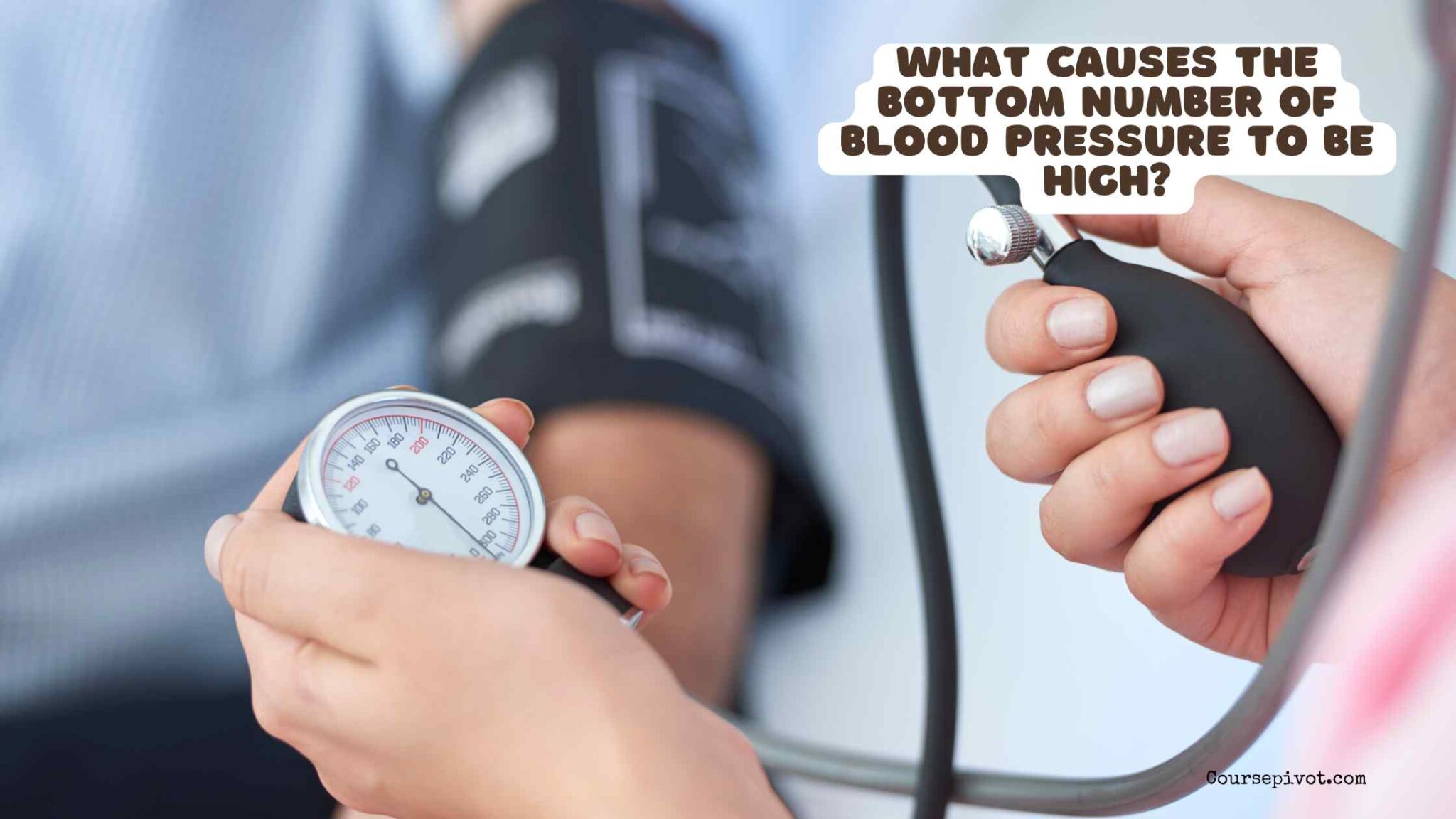
Quick Answer
The bottom number of blood pressure is called diastolic blood pressure. It measures the pressure in your arteries when your heart is resting between beats.
If the bottom number is high, it usually means your blood vessels are staying too tight, stiff, or resistant even when the heart is not actively pumping. Common causes include genetics, high salt intake, excess body weight, physical inactivity, smoking, heavy alcohol use, stress, poor sleep, kidney disease, diabetes, sleep apnea, thyroid or hormone problems, and certain medicines.
A single high reading does not always mean you have hypertension, but repeated bottom-number readings of 80 mm Hg or higher should be discussed with a health professional.
This article is for education only. It cannot diagnose you, and it should not replace advice from your doctor, pharmacist, or qualified health professional.
What the Bottom Number Means
A blood pressure reading has two numbers, such as 128/86 mm Hg.
| Blood pressure number | Medical name | What it measures |
|---|---|---|
| Top number | Systolic pressure | Pressure when the heart contracts and pumps blood |
| Bottom number | Diastolic pressure | Pressure when the heart relaxes between beats |
The bottom number matters because your arteries should relax between heartbeats. If the diastolic number stays high, your blood vessels may be under constant pressure even during the heart’s resting phase.
In current US guidance, blood pressure is generally considered high when it is consistently 130/80 mm Hg or higher. A diastolic reading of 80-89 falls into stage 1 hypertension if it is confirmed over time. A diastolic reading of 90 or higher is usually considered stage 2 hypertension.
The word “consistently” is important. Blood pressure changes throughout the day. Exercise, caffeine, pain, anxiety, stress, a full bladder, talking during the reading, or an incorrectly placed cuff can all raise a single measurement.
Common Lifestyle Causes
Many cases of high diastolic blood pressure are connected to lifestyle factors that increase strain on the blood vessels over time.
Common lifestyle-related causes include:
- Eating too much sodium
- Not getting enough potassium-rich foods, unless restricted by a doctor
- Low physical activity
- Smoking or vaping nicotine
- Drinking too much alcohol
- Carrying excess body weight
- Chronic stress
- Poor sleep or irregular sleep schedules
- Frequent use of stimulants, including some energy drinks
Salt is a major factor for many people because sodium can cause the body to hold extra fluid. More fluid in the bloodstream can increase pressure inside the arteries. Physical inactivity also matters because regular movement helps blood vessels stay more flexible and helps the heart work more efficiently.
Nicotine can temporarily tighten blood vessels and raise blood pressure. Heavy alcohol use can also raise blood pressure and make it harder to control.
Lifestyle is not the whole story, though. Some people have excellent habits and still develop high blood pressure because of genetics, age, medical conditions, or medication effects.
Medical Conditions That Can Raise the Bottom Number
Sometimes a high bottom number is related to an underlying medical condition. Doctors often call this secondary hypertension when blood pressure is high because of another identifiable problem.
Possible medical contributors include:
- Kidney disease
- Diabetes
- Sleep apnea
- Thyroid disease
- Adrenal gland disorders
- Narrowing of blood vessels that supply the kidneys
- Certain congenital heart or blood vessel problems
- Chronic pain or inflammatory conditions
The kidneys are especially important because they help regulate fluid balance, salt levels, and blood vessel hormones. When kidney function is affected, blood pressure can rise.
Sleep apnea is another common and under-recognized cause. Repeated drops in oxygen during sleep can activate stress hormones and keep blood pressure elevated, including overnight and in the morning.
If your diastolic number is repeatedly high even though your lifestyle is healthy, or if high blood pressure appears suddenly, your doctor may look for secondary causes.
Medicines and Substances That Can Contribute
Some medicines and substances can raise blood pressure or make existing hypertension harder to control.
Examples include:
- Decongestants such as pseudoephedrine
- Nonsteroidal anti-inflammatory drugs, such as ibuprofen or naproxen
- Some prescription stimulants
- Certain antidepressants
- Steroids
- Some birth control pills
- Nicotine products
- Cocaine, amphetamines, and other stimulant drugs
- Excess caffeine or energy drinks in sensitive people
Do not stop a prescribed medication on your own because of a blood pressure reading. Instead, tell your clinician or pharmacist what you are taking, including over-the-counter products and supplements. They can help determine whether a medicine could be contributing and whether there is a safer alternative.
Why the Bottom Number May Be High in Younger Adults
High diastolic blood pressure is often noticed in younger adults because their top number may still look normal while the bottom number rises. For example, someone might see readings like 122/92 and wonder why only the bottom number is high.
This pattern can happen when smaller arteries and arterioles are more constricted than expected. In younger people, blood vessels may not be stiff in the same way they often become with age, but vascular tone, stress hormones, sleep, nicotine, caffeine, weight, and genetics can still keep pressure elevated between beats.
That does not mean the reading should be ignored. A persistently high diastolic number can still place strain on the heart and blood vessels over time.
It also does not mean every young person with one high reading needs medication. The right next step depends on repeated measurements, overall cardiovascular risk, symptoms, family history, and whether there are reversible causes.
How to Check If the Reading Is Real
Before assuming your bottom number is truly high, make sure you are measuring correctly.
Use this checklist:
- Sit quietly for at least 5 minutes before measuring.
- Keep both feet flat on the floor.
- Support your back.
- Rest your arm at heart level.
- Use the correct cuff size.
- Do not talk during the reading.
- Avoid caffeine, nicotine, exercise, and heavy meals shortly beforehand.
- Take two readings one minute apart and write them down.
- Measure at similar times for several days.
Doctors usually care more about a pattern of readings than one isolated number. A home blood pressure log is often more useful than a single anxious reading taken after climbing stairs, drinking coffee, or rushing into an appointment.
If your home cuff consistently gives unusual readings, bring it to a clinic or pharmacy visit so it can be compared with a professional device.
When to Call a Doctor or Get Urgent Help
You should contact a health professional if your bottom number is repeatedly 80 or higher, especially if it is often 90 or higher. You should also seek medical advice sooner if you have diabetes, kidney disease, pregnancy, a history of heart disease, or a strong family history of early cardiovascular disease.
Get urgent medical help right away if very high blood pressure occurs with symptoms such as:
- Chest pain
- Severe shortness of breath
- Sudden weakness or numbness
- Confusion
- Trouble speaking
- Severe headache unlike usual headaches
- Vision changes
- Fainting
- New severe back pain
If blood pressure is around 180/120 mm Hg or higher, many medical organizations advise repeating the measurement after a few minutes of rest and seeking urgent guidance, especially if symptoms are present.
For a broader list of symptoms that may need emergency evaluation, Coursepivot’s guide to reasons to go to the emergency room may also help.
What Can Help Lower a High Bottom Number?
Treatment depends on the cause and your overall risk. Some people improve with lifestyle changes, while others need medication. Many people need both.
Common blood-pressure-supporting habits include:
- Reducing sodium
- Eating more fruits, vegetables, beans, whole grains, and low-fat dairy if appropriate
- Exercising regularly
- Losing excess weight if needed
- Limiting alcohol
- Stopping nicotine use
- Treating sleep apnea
- Managing diabetes or kidney disease
- Improving sleep quality
- Taking prescribed medicine consistently
The goal is not only to improve a number on a screen. The goal is to reduce strain on the heart, brain, kidneys, blood vessels, and eyes over time.
If your doctor prescribes blood pressure medication, ask what the target range is, when to measure at home, what side effects to watch for, and when to follow up. Blood pressure treatment is often adjusted gradually.
The Bottom Line
The bottom number of blood pressure is high when the pressure in your arteries remains elevated while your heart is resting between beats. This can happen because of lifestyle factors, genetics, stress, poor sleep, kidney disease, diabetes, sleep apnea, hormone problems, medications, or other health conditions.
One high reading is not enough to diagnose hypertension. Repeated readings matter. If your diastolic number is often 80 or higher, especially 90 or higher, it is worth discussing with a health professional.
High blood pressure often has no obvious symptoms, but it can still cause long-term harm. The good news is that it is also one of the most treatable cardiovascular risk factors when it is measured accurately, followed consistently, and managed with the right plan.