

5 Ways to Deal with Anxiety
Five ways to deal with anxiety include slowing your breathing, grounding yourself, moving your body, reducing triggers, and reaching out for support.
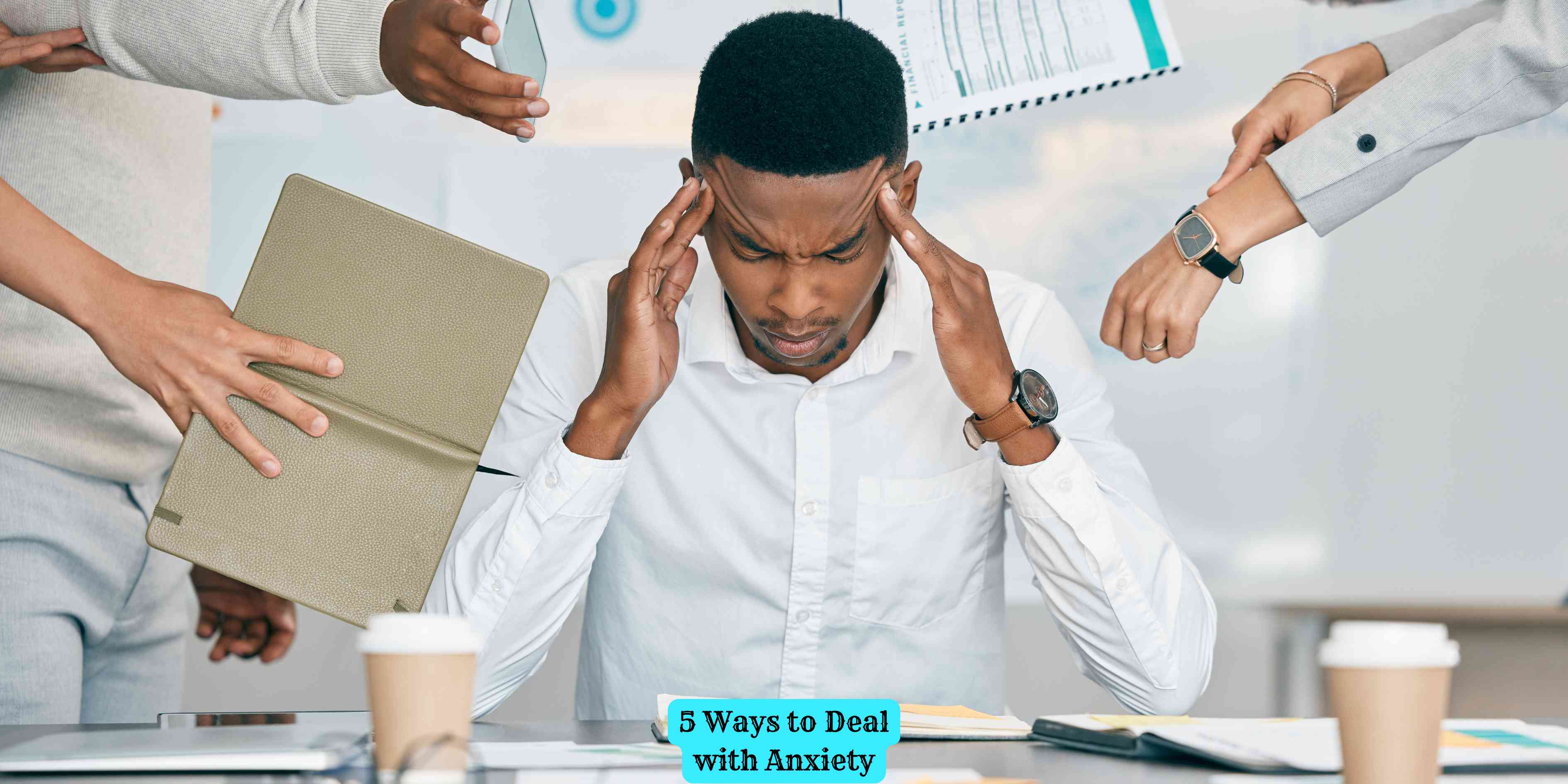
Anxiety is the body’s alarm system. It can help you notice danger, prepare for a challenge, or take action. But anxiety becomes a problem when it feels intense, lasts too long, appears without clear danger, or interferes with school, work, sleep, relationships, or daily life.
You cannot always make anxiety disappear instantly, but you can learn ways to calm your body, steady your thoughts, and get support.
The goal is not to never feel anxious. The goal is to respond to anxiety in ways that help you feel safer, clearer, and more in control.
This article is educational and not a substitute for mental health care. If anxiety is affecting daily life, causing panic attacks, or making you avoid normal activities, consider speaking with a mental health professional.
Five ways to deal with anxiety are:
- Slow your breathing
- Ground yourself in the present
- Move your body
- Reduce common anxiety triggers
- Talk to someone and seek help when needed
These strategies can help with everyday anxiety. They are not a replacement for therapy, medication, or medical care when anxiety is severe.
If you might hurt yourself or someone else, call emergency services or a crisis line immediately.
1. Slow Your Breathing
Anxiety often makes breathing faster and shallower. This can make the body feel even more alarmed.
A simple breathing exercise can help signal safety to the nervous system. The NHS recommends gentle breathing without forcing it. Try breathing in through your nose and out through your mouth, counting if helpful.
One simple method:
- Sit comfortably
- Breathe in gently for 4 seconds
- Breathe out slowly for 6 seconds
- Repeat for 2 to 5 minutes
Do not force deep breaths if that makes you uncomfortable. Keep it gentle.
Breathing will not solve every problem, but it can reduce the intensity enough for you to think more clearly.
2. Ground Yourself in the Present
Anxiety often pulls the mind into “what if” thoughts. Grounding brings attention back to the present moment.
Try the 5-4-3-2-1 method:
- Name 5 things you can see
- Name 4 things you can feel
- Name 3 things you can hear
- Name 2 things you can smell
- Name 1 thing you can taste
This helps your brain notice that you are in the present, not inside the feared future.
You can also describe your surroundings slowly: “I am sitting in my room. My feet are on the floor. The wall is white. I can hear the fan.”
Grounding works best when practiced before anxiety becomes overwhelming.
3. Move Your Body
Physical activity can reduce anxiety for many people. Mayo Clinic notes that exercise can improve mood, help relaxation, improve sleep, and lower symptoms of mild depression and anxiety.
You do not need an intense workout. A walk, stretching, dancing, cycling, yoga, or light strength training can help.
Movement helps because anxiety is physical. Your body may be full of stress energy. Gentle activity gives that energy somewhere to go.
If you are already overtraining or exhausted, choose gentle movement instead of pushing harder. This article on the risks of overtraining explains why recovery matters too.
The best exercise is the one you can do safely and consistently.
4. Reduce Common Triggers
Some anxiety triggers are outside your control, but others can be reduced.
Common triggers include too much caffeine, poor sleep, constant news, social media comparison, procrastination, clutter, skipped meals, alcohol, nicotine, and lack of routine.
Mayo Clinic notes that caffeine and nicotine can worsen anxiety for some people. Sleep also matters because a tired brain has less ability to regulate stress.
Try small changes:
- Reduce caffeine gradually
- Keep a regular sleep schedule
- Take breaks from news and social media
- Eat regular meals
- Write down tasks instead of holding them in your head
- Prepare earlier for deadlines
Do not try to change everything at once. One small change can make anxiety more manageable.
5. Talk to Someone and Seek Help
Anxiety grows in isolation. Talking to someone safe can help you feel less alone and more grounded.
You might talk to a friend, family member, teacher, counselor, doctor, therapist, or support group.
Professional help is important when anxiety interferes with daily life. NIMH says it is time to seek professional help if anxiety causes problems at school, work, or with friends and family.
Effective treatments exist, including therapy, medication, lifestyle support, and skills-based approaches. Getting help is not weakness. It is a practical step toward health.
If anxiety begins before it fully builds, this article on ways to stop anxiety before it starts may also help.
When Anxiety May Be an Emergency
Seek urgent help if anxiety comes with chest pain, fainting, severe shortness of breath, confusion, thoughts of self-harm, or feeling unable to stay safe.
Panic attacks can feel frightening, but new or severe physical symptoms should not be ignored. It is better to get checked than to assume everything is anxiety.
If breathing symptoms are severe, read possible signs of difficulty breathing and seek emergency help when warning signs appear.
Build a Personal Anxiety Plan
Write down what helps before anxiety peaks. Your plan might include:
- A breathing exercise
- A grounding technique
- A calming song
- A safe person to text
- A short walk
- A reminder phrase
- A therapist or doctor contact
When anxiety rises, decision-making gets harder. A written plan gives you something to follow.
Final Thoughts
You can deal with anxiety by slowing your breathing, grounding yourself, moving your body, reducing triggers, and reaching out for support.
Anxiety is common, but you do not have to handle it alone. With practice and help when needed, anxiety can become more manageable.