

Explain How Relaxing and/or Laughing Helps to Reduce Stress
Relaxation and laughter reduce stress through measurable physiological mechanisms — they're not just pleasant diversions. Here's the science behind how and why they work.
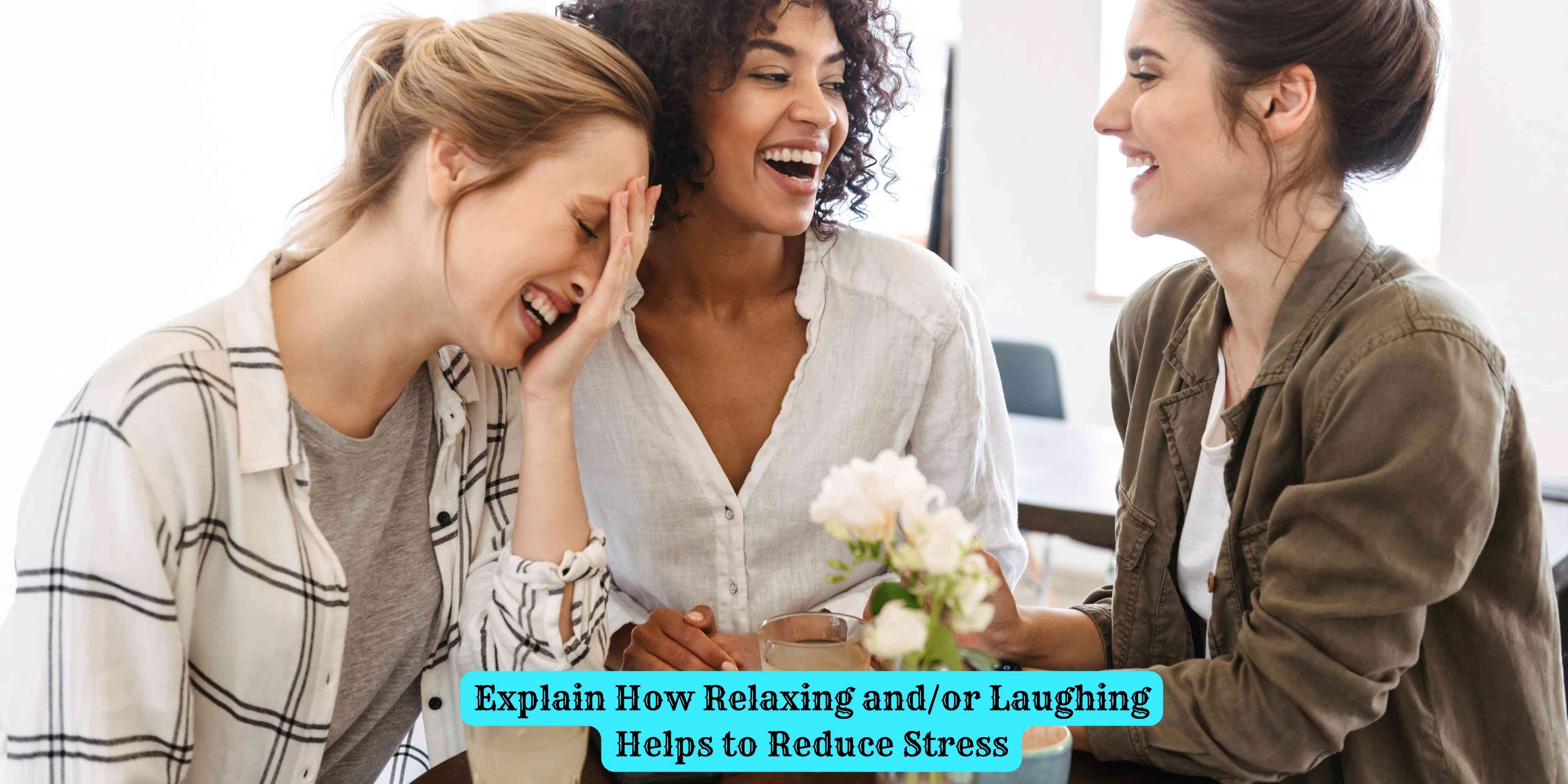
Stress is a physiological state — the activation of the body’s sympathetic nervous system (fight-or-flight response) — characterized by elevated cortisol and adrenaline, increased heart rate and blood pressure, muscle tension, and suppressed immune and digestive function. Relaxation and laughter both reduce stress through physiological mechanisms that counteract the stress response: relaxation activates the parasympathetic nervous system (rest-and-digest), lowering cortisol and reducing physiological arousal; laughter triggers endorphin release, lowers cortisol, reduces muscle tension, and creates positive social bonding that buffers the psychological experience of stress. These are not simply pleasant diversions — they produce measurable physiological changes.
How the Stress Response Works
When the brain perceives a threat — physical danger, a deadline, a difficult conversation, financial pressure — the hypothalamus activates the sympathetic nervous system, which signals the adrenal glands to release cortisol and adrenaline. These hormones produce the classic stress response: increased heart rate, elevated blood pressure, faster breathing, muscle tension, dilated pupils, and redirected blood flow away from digestion and immune function toward muscles and the brain.
This response is adaptive in genuine emergencies — it prepares the body to fight or flee. But when it is chronically activated by everyday psychological stressors (which the brain responds to with the same physiological cascade as physical threats), it produces chronic elevation of cortisol that damages cardiovascular health, suppresses immune function, impairs sleep, and contributes to anxiety and depression. Reducing the stress response is therefore a physiological intervention with genuine health consequences.
How Relaxation Reduces Stress
Relaxation techniques — deep breathing, progressive muscle relaxation, meditation, yoga, guided imagery — activate the parasympathetic nervous system, often called the “rest-and-digest” system because it is the opposite of the fight-or-flight sympathetic response. Parasympathetic activation produces measurable physiological changes:
Heart rate and blood pressure decrease. Slow diaphragmatic breathing (inhaling for 4-5 seconds, exhaling for 6-8 seconds) stimulates the vagus nerve, directly activating parasympathetic tone and lowering heart rate.
Cortisol levels drop. Research consistently shows that relaxation practices including mindfulness meditation and progressive muscle relaxation reduce salivary cortisol levels, the primary biomarker of physiological stress.
Muscle tension releases. Chronic stress produces persistent muscle tension (particularly in the neck, shoulders, and jaw); relaxation techniques directly address this physical component of the stress response.
The nervous system shifts. Regular relaxation practice gradually improves the balance between sympathetic and parasympathetic tone, making the stress response less easily triggered and recovery from stressors faster.
How Laughter Reduces Stress
Laughter produces its own distinct set of physiological changes that counteract the stress response:
Endorphin release: Laughter triggers the release of endorphins — the brain’s natural pain-relieving and mood-elevating chemicals — which produce the subjective experience of pleasure and wellbeing and counteract the negative emotional experience of stress.
Cortisol reduction: Research published in the journal Hormones and Behavior found that genuine laughter significantly reduces cortisol levels and other stress markers. Subjects who watched a humorous video showed lower post-stressor cortisol than control groups.
Cardiovascular effects: Hearty laughter increases heart rate and oxygen intake in the short term (sometimes described as “internal jogging”) but produces a subsequent relaxation phase in which heart rate and blood pressure drop below baseline — a net cardiovascular benefit similar to moderate exercise.
Muscle relaxation: Laughter involves and then releases muscle tension, producing a physical relaxation effect that can last up to 45 minutes after the laughter episode.
Social bonding: Shared laughter strengthens social bonds, and social connection is one of the most powerful buffers against the psychological experience of stress. The presence of social support reduces perceived stress severity and improves coping — and laughter is one of the most efficient means of generating shared positive experience with others.
Combining Relaxation and Laughter
Relaxation and laughter address stress through overlapping but distinct mechanisms, and combining them is more effective than either alone. Relaxation primarily targets the physiological activation of the stress response directly — lowering cortisol, reducing heart rate, releasing muscle tension through the parasympathetic system. Laughter adds endorphin release, positive reframing (humor requires finding something non-threatening in a difficult situation, which changes its psychological meaning), and social connection that buffers future stress. Together they represent a comprehensive counterprogram to the stress response: one physiologically deactivating it from the bottom up through the autonomic nervous system, the other cognitively and emotionally reframing it from the top down through mood and meaning. Neither requires specialized training or equipment — controlled deep breathing and finding the genuine humor in a difficult situation are universally accessible interventions whose effectiveness is supported by substantial physiological evidence.