

5 Ways to Overcome Fear of Flying
Fear of flying can feel overwhelming, but it is treatable. These five practical steps can help you manage flight anxiety and rebuild confidence in the air.
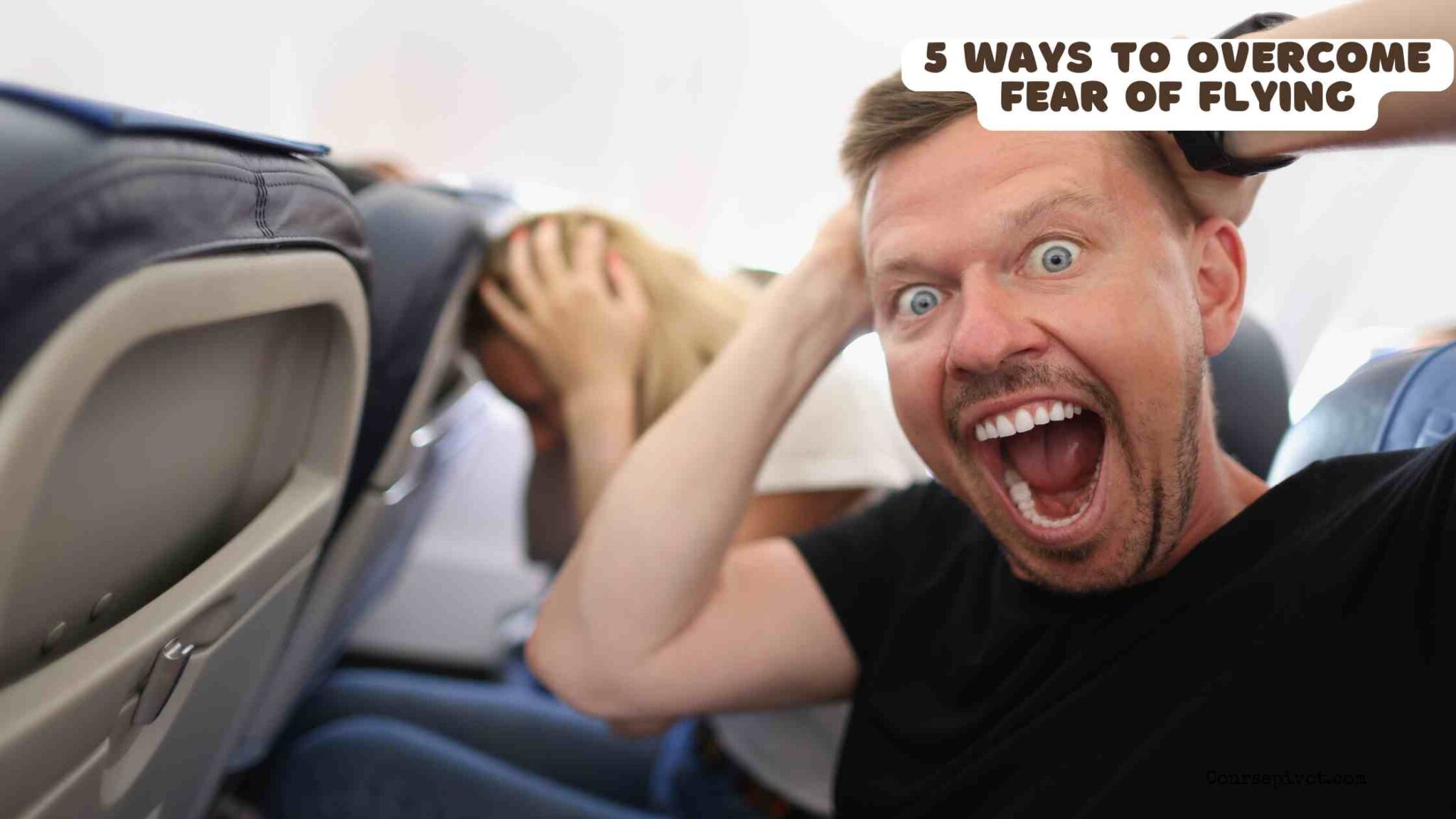
Fear of flying can make a short trip feel impossible. Some people feel anxious only during takeoff or turbulence. Others start worrying days before the flight, imagine worst-case scenarios, avoid travel, or panic as soon as they enter the airport.
This fear is often called aerophobia or aviophobia. It can involve fear of crashing, fear of heights, fear of being trapped, fear of panic attacks, fear of turbulence, fear of losing control, or fear of not being able to escape.
Fear of flying is treatable, but the goal is usually to build confidence gradually rather than force yourself to “just get over it.”
1. Understand What You Are Actually Afraid Of
Fear of flying is not the same for everyone. Before trying to fix it, identify the specific part of flying that triggers you most.
Common triggers include:
- Takeoff
- Turbulence
- Landing
- Enclosed space
- Lack of control
- Airport crowds
- Security checks
- News about aviation incidents
- Fear of panic symptoms
- Being far from home
Naming the fear makes it easier to work with. For example, someone afraid of turbulence may benefit from learning how turbulence works. Someone afraid of panic may need strategies for managing body sensations. Someone afraid of being trapped may need gradual exposure to airport and airplane environments.
Write down your top three flight fears and what you imagine will happen. Then ask: what evidence supports this fear, what evidence weakens it, and what would I tell a friend who had the same worry?
2. Learn What Anxiety Is Doing to Your Body
Flight anxiety can feel like danger because anxiety creates real physical symptoms. Your heart may race, your chest may feel tight, your stomach may turn, your hands may sweat, and your breathing may become shallow.
These sensations are uncomfortable, but they are not proof that something is wrong with the plane. They are signs that your nervous system is treating flying as a threat.
Useful calming skills include:
- Slow breathing with a longer exhale
- Relaxing your shoulders, jaw, and hands
- Grounding by naming five things you can see
- Listening to familiar music
- Using noise-canceling headphones
- Keeping your feet flat on the floor
- Reminding yourself that anxiety rises and falls
Do not wait until panic is at its highest to practice these skills. Practice them at home, in the car, at the airport, and during boarding so your body recognizes them before the flight becomes intense.
For broader prevention strategies, see 7 ways to stop anxiety before it starts.
3. Use Gradual Exposure Instead of Avoidance
Avoidance makes fear stronger over time. If you avoid flights completely, your brain never gets the chance to learn that flying can be uncomfortable but manageable.
Exposure therapy works by helping you face feared situations gradually and repeatedly until your anxiety becomes less powerful. This does not mean throwing yourself into the hardest situation immediately. It means building a fear ladder.
A fear-of-flying ladder might look like this:
| Step | Exposure practice |
|---|---|
| 1 | Look at photos of airplanes |
| 2 | Watch calm flight videos |
| 3 | Read about how planes handle turbulence |
| 4 | Visit an airport without flying |
| 5 | Sit near a departure gate |
| 6 | Take a short flight with support |
| 7 | Take a longer flight with a coping plan |
Move step by step. The point is not to eliminate all anxiety before advancing. The point is to learn that you can feel anxiety and still remain safe, present, and capable.
If your fear is severe, a therapist trained in cognitive behavioral therapy or exposure therapy can help you build this ladder safely.
4. Make a Flight Plan That Reduces Stress
A good plan cannot remove every anxious feeling, but it can reduce unnecessary stress. Fear grows when everything feels uncertain, rushed, or chaotic.
Before the flight:
- Choose a seat that helps you feel calmer.
- Arrive early enough to avoid rushing.
- Pack snacks, water, headphones, and entertainment.
- Download music, movies, podcasts, or breathing exercises.
- Avoid too much caffeine before flying.
- Tell a trusted travel companion what helps and what does not.
- Plan what you will do during takeoff, cruising, turbulence, and landing.
During the flight, give your mind a job. Watch a familiar show, solve a puzzle, listen to an audiobook, write notes, or track each phase of the flight. The goal is not denial. The goal is to reduce rumination.
If turbulence starts, remind yourself that discomfort is not the same as danger. Pilots and aircraft are trained and built to handle turbulence. Your body may dislike the sensation, but the sensation itself does not mean the plane is unsafe.
5. Get Professional Help if Fear Is Limiting Your Life
If fear of flying causes panic attacks, repeated cancellations, major avoidance, conflict, work problems, or loss of important opportunities, it may be time to get professional help.
Cognitive behavioral therapy can help you challenge catastrophic thoughts, understand body sensations, reduce safety behaviors, and practice exposure. Some programs also use virtual reality, airport visits, or structured fear-of-flying courses.
Medication may help some people in specific situations, but it should be discussed with a healthcare professional. Do not borrow medication, mix sedatives with alcohol, or take something new for the first time on a flight without medical guidance.
Professional help is not a sign that you failed. It is often the fastest way to stop the fear from controlling your travel decisions.
What Not to Do
Some coping habits seem helpful in the moment but can keep fear alive.
Try to avoid:
- Drinking heavily to get through a flight
- Searching crash stories before travel
- Repeatedly asking for reassurance every few minutes
- Monitoring every sound and movement of the plane
- Canceling every flight at the last minute
- Using medication without medical advice
- Treating turbulence as proof that danger is present
Anxiety wants certainty, but flying can never offer perfect certainty. Recovery comes from learning that you can handle uncertainty without obeying fear.
A Simple Flight Anxiety Script
When anxiety rises, repeat something short and believable:
“This is anxiety, not danger. My body is uncomfortable, but I can breathe through this. The plane is doing what planes do. I do not have to feel calm to be safe.”
The wording matters less than consistency. A prepared script gives your mind something steady to return to when panic tries to take over.
Final Thoughts
Fear of flying can feel powerful, but it does not have to decide where you go. Start by understanding your specific fear, calm your body, reduce avoidance through gradual exposure, plan your flight carefully, and seek professional support if the fear is limiting your life.
You may still feel nervous on some flights. That is okay. Progress is not never feeling fear. Progress is being able to fly while fear gets quieter in the background.