

What Are the Ways Vaping Impacts the Environment Due to Technical Waste?
Vaping devices can harm the environment because many contain batteries, plastics, metals, and nicotine waste that are difficult to dispose of safely.
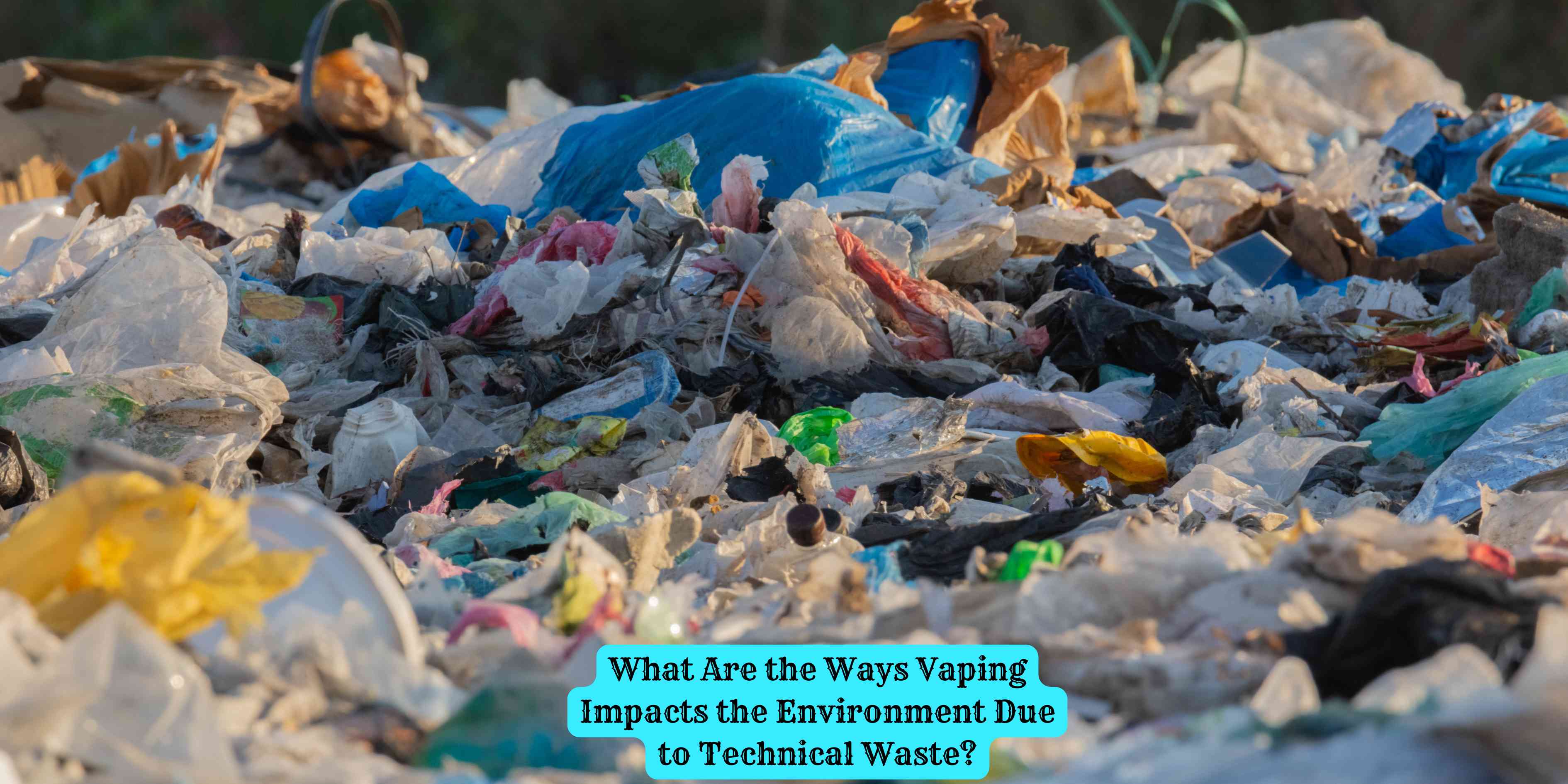
The Short Answer
Vaping impacts the environment by creating electronic waste, plastic waste, battery waste, toxic nicotine waste, fire hazards, and litter. Disposable vapes are especially concerning because they combine several waste problems in one small device: plastic housing, metal parts, lithium batteries, electronics, and leftover e-liquid.
Technical waste means waste from devices, batteries, circuits, cartridges, chargers, and other manufactured components. Vapes are not ordinary trash because many contain hazardous materials that can harm people, waste workers, wildlife, soil, and water when discarded carelessly.
Vapes Add to Electronic Waste
Many vaping devices contain circuits, heating coils, sensors, charging ports, and other electronic parts. When they are thrown away, they become a form of e-waste. E-waste is difficult to manage because it can contain metals, plastics, and components that need special handling.
Disposable vapes make this problem worse because the whole device is discarded after limited use. Instead of replacing only a cartridge or battery, the user may throw away the entire product.
This creates a steady stream of small electronic devices entering trash systems that were not designed for them.
Lithium Batteries Create Fire Risk
Many vapes contain lithium-ion batteries. These batteries can catch fire or explode if crushed, punctured, overheated, short-circuited, or improperly handled. This is why waste facilities often warn against putting battery-powered devices in regular trash or recycling bins.
A vape tossed into a garbage truck can be crushed with other waste. If the battery shorts or ignites, it can start a fire. Recycling facilities also face risk when batteries are hidden inside mixed materials.
Safe disposal is important not only for the environment but also for sanitation workers and recycling staff.
Nicotine Residue Can Be Hazardous
Vapes may contain leftover nicotine liquid, pods, cartridges, or residue. Nicotine is toxic in concentrated forms. If devices are thrown outdoors, leftover liquid can leak into soil or water. Children, pets, and wildlife may also be exposed to discarded devices.
The EPA notes that e-cigarette waste may include hazardous components such as lithium batteries and nicotine-containing liquids. That means schools, businesses, and other organizations may need to follow special disposal rules when collecting or discarding them.
Even a small device can contain multiple environmental hazards.
Plastics and Metals Add Litter
Vape devices often contain plastic shells, mouthpieces, packaging, and internal metal parts. When discarded on streets, beaches, parks, or school grounds, they become litter. Plastic can break into smaller pieces over time, while metal parts may remain in the environment.
Litter also affects public spaces. Discarded vapes can make neighborhoods look neglected and may normalize wasteful behavior. Because many devices are small, they can be overlooked during cleanup.
The environmental issue is not only the number of devices but also the mixed materials inside them.
Recycling Is Complicated
Vapes are hard to recycle because they combine batteries, electronics, plastics, metals, and chemical residue. A normal recycling bin is usually not the right place for them. If placed in regular recycling, they may contaminate other materials or create fire hazards.
Proper recycling or hazardous waste disposal may require separating components, using battery collection sites, or following local hazardous waste guidance. But many users do not know where to take used vapes.
That confusion leads to improper disposal. Clear public instructions and collection programs are needed.
Disposable Devices Increase Waste Volume
Reusable products generally create less waste than disposable ones, though they still require responsible battery and cartridge disposal. Disposable vapes create waste more quickly because the device is designed to be thrown away after use.
This model encourages frequent disposal of plastics, batteries, and electronic parts. Even if each device is small, millions of devices can add up to large waste volumes.
The convenience of disposables hides the environmental cost.
Environmental Harm Can Spread
Improperly discarded vapes can affect several parts of the environment. Batteries and metals can contribute to contamination. Plastic waste can persist. Nicotine residue can harm living organisms. Fires at waste facilities can release smoke and damage equipment.
The impact is not limited to the person who used the device. Waste workers, communities, waterways, animals, and future cleanup efforts can all be affected.
This is why vaping waste should be treated as a product-design and disposal problem, not only a personal habit issue.
What Responsible Disposal Looks Like
Responsible disposal begins by not littering and not placing vapes in ordinary recycling unless local guidance specifically says it is safe. Users should check local household hazardous waste programs, battery recycling options, or official waste instructions.
Schools and businesses that collect confiscated devices should follow hazardous waste rules and store devices safely to reduce battery fire risk.
The best environmental solution is reducing disposable vape use, improving product design, expanding take-back programs, and educating users about safe disposal. Vaping waste is small in size, but its environmental footprint can be much larger than it looks.