

30 Things Made from Trees
Trees give us more than shade and oxygen. These 30 products — some obvious, some genuinely surprising — come from trees and reveal just how much of daily life depends on them.
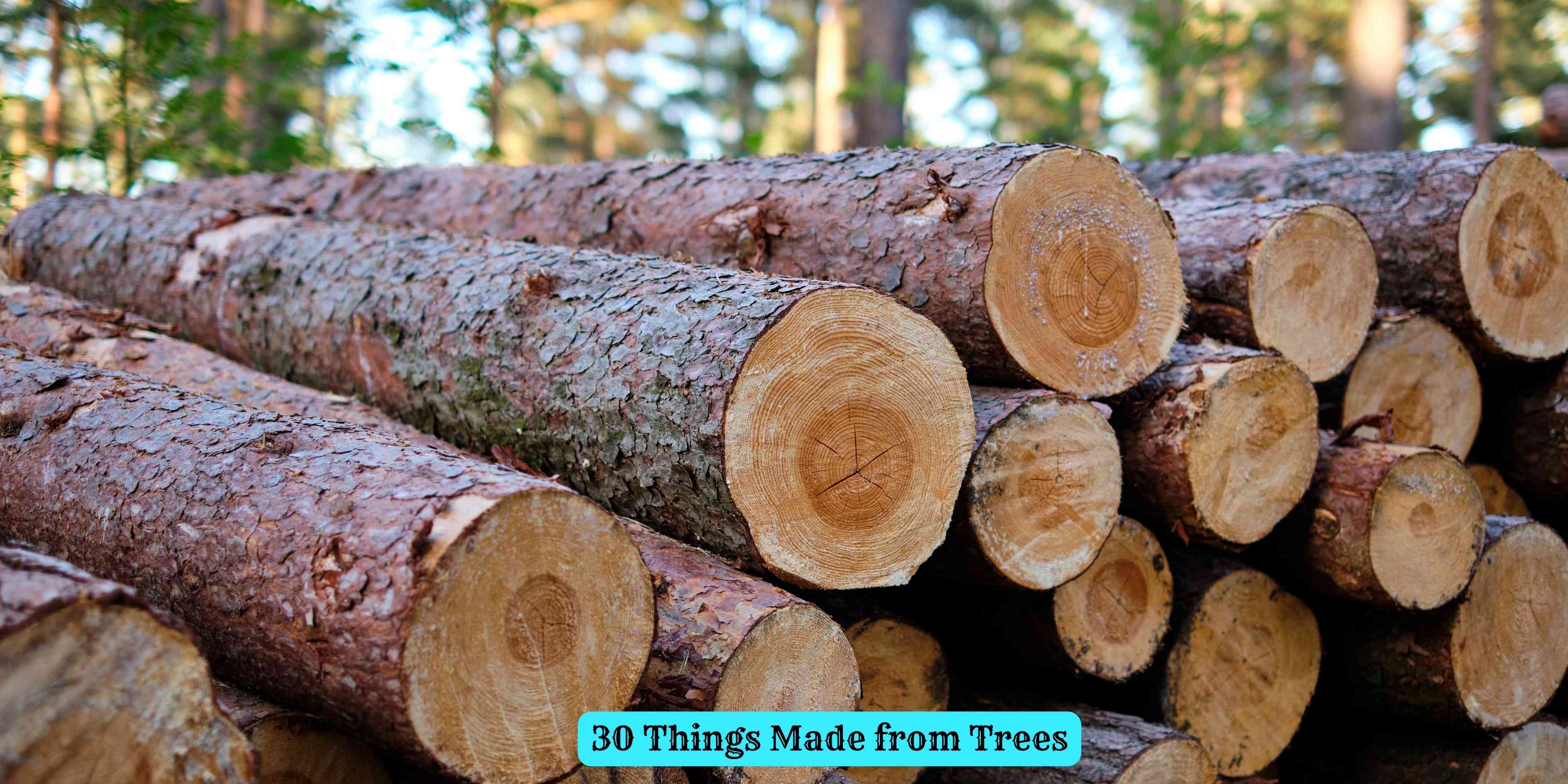
Trees are among the most productive and versatile natural resources on Earth. The list of products derived from trees — whether from wood, bark, leaves, sap, seeds, or fruit — spans nearly every domain of human life. These 30 things represent the range from the familiar to the genuinely surprising, across food, construction, medicine, materials, and daily life.
Food and Drinks from Trees
-
Maple syrup — tapped from the sap of sugar maple trees in early spring, concentrated by boiling into the syrup that flavors everything from pancakes to cocktails.
-
Chocolate — derived from the seeds (cacao beans) of the Theobroma cacao tree. The beans ferment, dry, and are processed into cocoa mass, butter, and powder that become chocolate products.
-
Coconut products — coconut oil, coconut milk, coconut flour, and the fresh coconut itself all come from the coconut palm tree (technically a palm, botanically distinct from hardwood trees but a tree-form plant).
-
Cinnamon — harvested from the inner bark of Cinnamomum trees native to Sri Lanka and Southeast Asia. The bark is peeled, dried, and rolled into the familiar spice.
-
Cork and wine — cork is harvested from the bark of the cork oak (Quercus suber), primarily in Portugal and Spain, and used to seal wine bottles. The bark regenerates and can be harvested repeatedly without cutting the tree.
-
Coffee — coffee beans are the seeds of the Coffea arabica plant, which grows as a small tree or large shrub. Coffee is among the most economically significant tree-derived products on earth.
-
Avocados, mangoes, and olives — each is the fruit of a tree: the avocado tree, the mango tree, and the olive tree, respectively. Olive oil — one of the world’s most important culinary fats — comes from pressed olive fruit.
Building and Construction Materials
-
Lumber — the most direct wood product, used for structural framing, flooring, furniture, decking, and almost every built environment. Lumber comes from softwood trees (pine, spruce, fir) and hardwood trees (oak, maple, walnut).
-
Plywood — manufactured wood panels made by gluing thin layers of wood veneer together, alternating grain direction for strength. Used extensively in construction, furniture, and cabinetry.
-
Hardwood flooring — oak, hickory, maple, and walnut are among the most common hardwoods milled into the tongue-and-groove planks used in flooring.
-
Charcoal — produced by heating wood in a low-oxygen environment (pyrolysis), driving off water and volatile compounds to leave nearly pure carbon. Used for grilling, art, and industrial processes.
-
Turpentine — distilled from pine resin, used as a paint solvent, cleaning agent, and industrial chemical. Pine trees produce resin as a defense against insects and fungi.
Paper and Packaging
-
Paper and cardboard — virtually all paper comes from wood pulp: cellulose fibers extracted from trees (primarily spruce, pine, fir, and eucalyptus), processed into the sheets used for books, newspapers, packaging, tissues, and writing paper.
-
Books — paper-based books are made from wood pulp, but wood-derived products also appear in book binding (wood boards covered in cloth or paper), adhesives, and inks.
-
Cardboard packaging — from shipping boxes to cereal boxes to egg cartons, cardboard is compressed, often recycled wood-pulp fiber formed into packaging.
Medicine and Health Products
-
Aspirin — originally derived from salicylic acid found in the bark of willow trees (Salix species). Willow bark tea was used as a pain remedy for centuries before the active compound was isolated and synthesized into modern aspirin.
-
Quinine — extracted from the bark of the cinchona tree, used to treat malaria and still present in tonic water. One of the most significant medicines in colonial history.
-
Taxol (paclitaxel) — a chemotherapy drug originally derived from the bark of the Pacific yew tree (Taxus brevifolia), now one of the most widely used anti-cancer medications in the world.
-
Essential oils — tea tree oil (from Melaleuca alternifolia), eucalyptus oil, frankincense (from the Boswellia tree), and sandalwood oil are among the many essential oils derived from tree bark, leaves, or resin.
Industrial and Everyday Materials
-
Rubber — natural rubber comes from the latex of the Hevea brasiliensis (rubber tree), tapped from the bark. Natural rubber is still used in surgical gloves, condoms, and high-performance applications where synthetic rubber is insufficient.
-
Rosin — solid pine resin used to treat violin bows, baseball pitchers’ hands, gymnasts’ grips, and as an ingredient in varnishes and adhesives.
-
Rayon and viscose fabric — manufactured by dissolving wood cellulose and re-spinning it into fibers. Rayon is one of the most common fabrics in clothing and is made entirely from tree-derived cellulose.
-
Ethanol biofuel — wood and wood waste can be converted to bioethanol through enzymatic or fermentation processes, used as a fuel additive or alternative.
-
Activated charcoal — produced from wood or other carbon-rich materials and used in water filtration, air purification, and medical detoxification treatments.
Cultural and Artistic Products
-
Musical instruments — acoustic guitars (spruce tops, mahogany backs and sides), violin families (spruce and maple), piano soundboards (spruce), wood wind instruments (grenadilla, boxwood, rosewood), and percussion instruments (maple drumshells) are all made from specific tree species selected for acoustic properties.
-
Pencils — the casing of a standard pencil is typically cedar wood (incense-cedar), chosen for its softness and consistent grain, which makes it easy to sharpen without splintering.
-
Wooden toys and furniture — from children’s toys to heirloom furniture, hardwoods like maple, cherry, walnut, and oak are used for their durability, beauty, and workability.
-
Dyes and tannins — oak bark produces tannins used in leather tanning. Logwood (from the Haematoxylum tree) produces rich black and purple dyes historically important in textile production.
Energy
-
Firewood and biomass energy — wood has been humanity’s primary fuel source for most of its history and remains significant worldwide for heating, cooking, and power generation.
-
Wooden matchsticks — the stick of a traditional wooden match is made from aspen or poplar wood, chosen for their smooth burning and low tendency to splinter.
This list barely scratches the surface — researchers have identified thousands of distinct tree-derived products across food, medicine, construction, textiles, fuel, and industrial chemistry. Trees are not a single resource; they are entire ecosystems of products that have sustained human civilization across every culture and era.