

10 Reasons Why You Should Not Litter
Littering seems minor in the moment. The cumulative effects on wildlife, water quality, public health, and community economics are anything but. These 10 reasons lay out what littering actually costs.
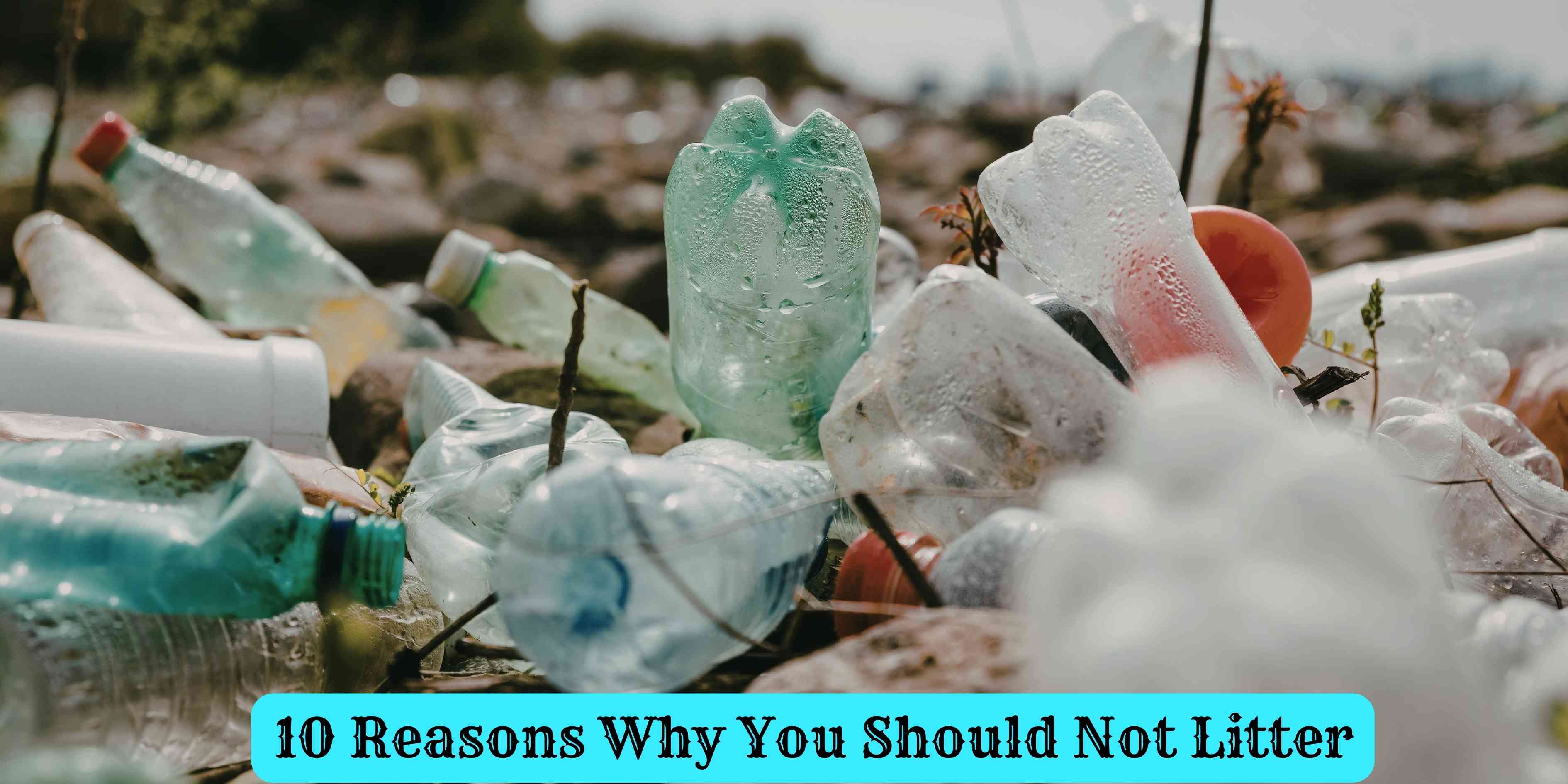
Littering is illegal in every U.S. state and most countries, but laws alone don’t prevent it — approximately 50 billion pieces of litter land on U.S. roads and waterways each year according to Keep America Beautiful research. Understanding why littering is genuinely harmful, beyond the fine and the social disapproval, changes the calculation from rule-following to genuine environmental responsibility. These ten reasons cover what litter actually does to ecosystems, communities, economies, and public health.
1. It Kills Wildlife
Animals mistake litter for food or become entangled in it. Plastic bags are frequently ingested by marine animals, sea turtles, and seabirds who confuse them with jellyfish or other prey — and plastic cannot be digested, causing starvation, internal injury, and death. Six-pack plastic rings entangle birds and marine animals. Broken glass injures wildlife that walks through or investigates it. Fishing line, a common form of waterway litter, entangles birds, turtles, and fish and causes loss of limbs and drowning. The direct harm to individual animals is measurable and well-documented.
2. It Contaminates Waterways and Groundwater
Litter on land becomes water pollution. Rain carries litter from roads and sidewalks into storm drains, which typically discharge directly into rivers, streams, and ultimately the ocean without filtration. Cigarette butts — the single most littered item globally — leach nicotine, arsenic, and heavy metals into the water systems they enter. Plastic litter breaks down into microplastics that enter the water supply, accumulate in fish tissue, and have been detected in human blood and drinking water.
3. It Costs Communities Significant Money
The United States spends more than $11 billion annually cleaning up litter, according to Keep America Beautiful. This money comes from taxes and public budgets that could fund schools, infrastructure, or parks. Communities with high litter burdens spend disproportionately on cleanup while experiencing reduced property values, reduced tourism, and lower economic activity. The financial cost of litter is a public cost distributed across everyone even though it originates with individual choices.
4. It Contributes to the Spread of Disease
Litter creates environments that attract and support disease vectors. Food waste draws rats, mice, insects, and birds — all of which are carriers of various diseases. Standing water in discarded containers provides breeding grounds for mosquitoes that carry West Nile virus, dengue fever, and other illnesses. Littered waste near water supplies in communities with inadequate waste management has historically been linked to cholera and other waterborne illness outbreaks.
5. It Creates Fire Hazards
Broken glass in dry vegetation can act as a lens that concentrates sunlight and starts fires. Discarded cigarettes are a direct ignition source — approximately 90,000 fires per year in the U.S. are caused by cigarette litter in dry brush and roadside vegetation according to the National Fire Protection Association. In drought-prone or fire-prone regions, the fire risk from litter is not theoretical.
6. It Degrades the Places People Live and Visit
Communities with significant litter have consistently lower rates of property value, tourism, and residential satisfaction than comparable clean communities. The broken windows theory in social psychology describes a documented phenomenon: visible disorder (including litter) signals that an area is unmonitored and uncared-for, which can invite further disorder, vandalism, and crime. Litter affects quality of life not only directly but through the signals it sends about community investment and social norms.
7. Plastic Litter Persists for Hundreds of Years
A plastic bottle takes approximately 450 years to decompose. A plastic bag takes 10-1000 years. A styrofoam cup takes 500 years. The piece of litter tossed out a car window today will, absent deliberate cleanup, be in the environment for generations. It will degrade into smaller and smaller particles — microplastics — that enter soil, water, and living tissue, but it will not disappear. The permanence of plastic litter means that each piece contributes to an accumulating environmental burden rather than being a one-time, reversible event.
8. It Harms Marine Ecosystems
The ocean receives an estimated 8 million metric tons of plastic each year, much of it originating as terrestrial litter that travels through watersheds to the sea. Ocean plastic accumulates in gyres (ocean circulation systems) and forms persistent garbage patches. It fragments into microplastics that enter marine food chains, accumulate in fish, shellfish, and marine mammals, and ultimately return to human diets through seafood consumption. The Great Pacific Garbage Patch — a collection of ocean litter roughly three times the size of France — is a direct consequence of terrestrial and maritime littering at scale.
9. It’s a Legal Violation With Real Consequences
Littering fines in the United States range from $25 to $50,000 depending on the state, jurisdiction, and severity. In some states, particularly for commercial litter or littering from vehicles, the consequences include community service and, for egregious violations, potential misdemeanor charges. Most people treat littering as a victimless technical offense — the legal structure and the environmental reality both push back on that assumption.
10. Individuals Are Responsible for What They Carry
The simplest case against littering is also the strongest: you created the waste, you are responsible for disposing of it correctly. The inconvenience of carrying a piece of trash to the next bin is measured in seconds or minutes. The environmental cost of not doing so can be measured in decades. The habit of taking personal responsibility for waste — even when there is no immediate social consequence for not doing so — is one of the smaller, more concrete environmental behaviors that scale meaningfully when practiced widely.