

Two Ways Our Soil Can Become Polluted
Soil pollution can happen when harmful chemicals from farms, industries, landfills, or waste enter the ground and damage soil health.
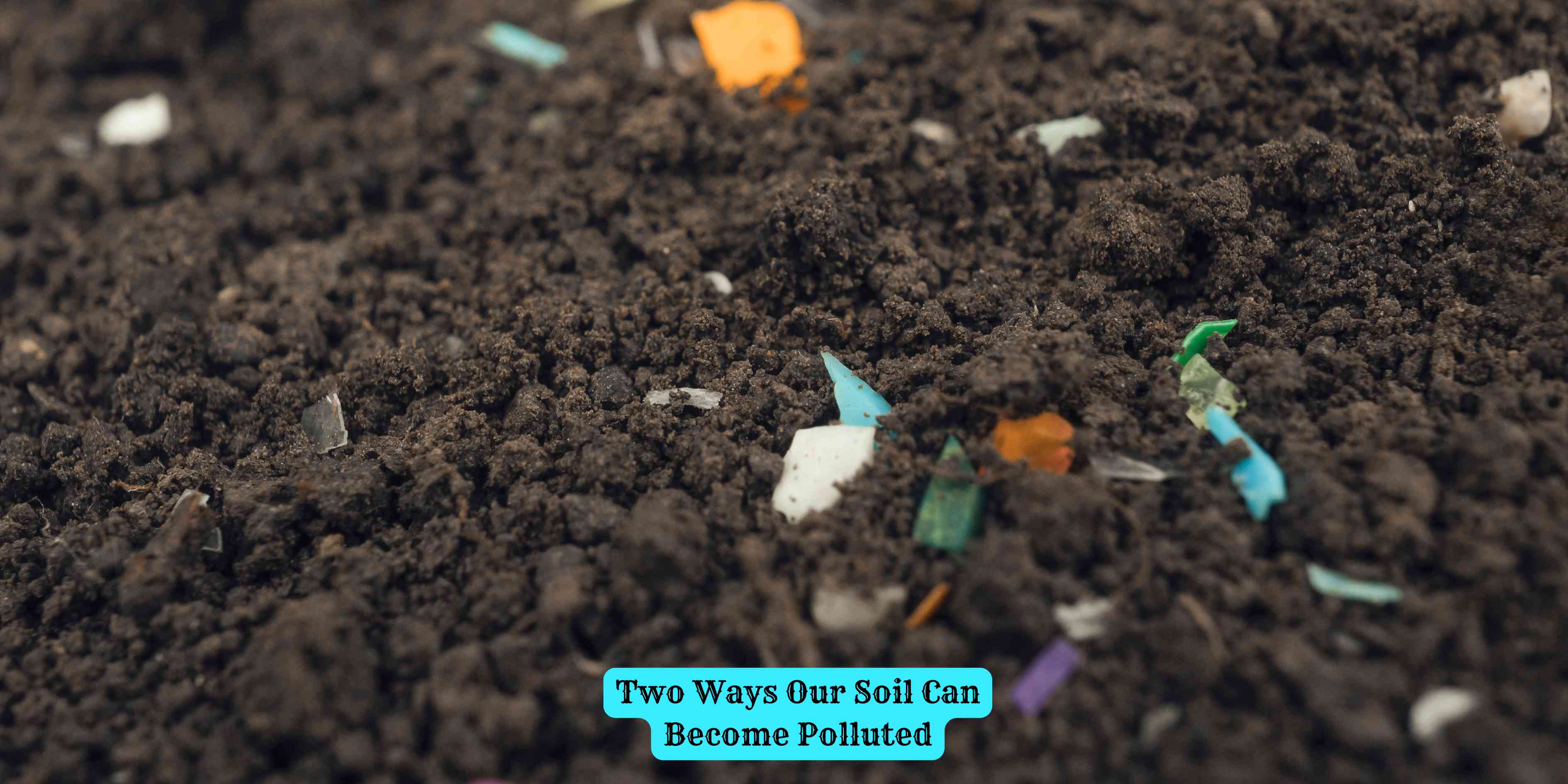
Two ways our soil can become polluted are through agricultural chemicals and through industrial or waste contamination. Agricultural pollution can come from pesticides, herbicides, fertilizers, manure, and runoff. Industrial and waste pollution can come from spills, mining, factories, landfills, improper disposal, and hazardous materials.
Soil is not just dirt. It supports plants, stores water, cycles nutrients, shelters organisms, and helps produce food. When soil becomes polluted, the damage can affect crops, groundwater, wildlife, and human health.
Way One: Agricultural Chemicals
Agriculture can pollute soil when chemicals are overused, misused, or applied in ways that allow them to build up in the ground. Pesticides and herbicides are designed to kill pests or unwanted plants, but they can also affect beneficial organisms in the soil.
Fertilizers can also create problems when too much nitrogen or phosphorus is applied. Plants may not use all of the nutrients, leaving excess material in soil or runoff. Over time, this can change soil chemistry and harm nearby water bodies.
Agriculture is essential for food, but it must be managed carefully to protect soil.
Pesticides and Herbicides Can Persist
Some pesticides break down quickly, while others remain in soil longer. Persistence depends on chemical type, soil conditions, temperature, sunlight, moisture, and microbial activity. If chemicals persist, they may affect insects, earthworms, fungi, bacteria, and other organisms that help soil function.
Soil life matters because organisms decompose organic matter, cycle nutrients, improve structure, and support plant growth. When pollution reduces soil biodiversity, soil may become less fertile and less resilient.
Using integrated pest management, applying chemicals only when needed, and following label directions can reduce risk.
Fertilizer and Manure Mismanagement
Fertilizers and manure can improve soil when used properly, but they can pollute when overapplied. Excess nutrients may accumulate in soil or move with water into streams, lakes, and groundwater. Nitrate contamination is especially concerning because it can affect drinking water.
Manure can also carry pathogens, antibiotics, salts, or nutrients if it is not stored and applied correctly. Heavy rainfall after application can increase runoff risk.
Good practices include soil testing, matching nutrients to crop needs, using buffer strips, planting cover crops, and timing applications carefully.
Way Two: Industrial and Waste Contamination
Soil can also become polluted through industrial activity and waste disposal. Factories, mines, construction sites, fuel stations, landfills, and waste dumps can release harmful substances into the ground. Pollutants may include heavy metals, petroleum products, solvents, acids, plastics, and other toxic chemicals.
This type of pollution can be especially difficult to clean because contaminants may move downward, spread slowly, or bind to soil particles. Some sites remain contaminated for decades.
Industrial soil pollution often requires testing, regulation, cleanup plans, and long-term monitoring.
Spills and Leaks Enter the Ground
Fuel leaks, chemical spills, storage tank failures, and improper handling can quickly contaminate soil. Gasoline, oil, solvents, and industrial chemicals may seep into the ground and threaten groundwater.
A small spill may seem minor, but some chemicals spread easily or persist for a long time. If they reach an aquifer, cleanup becomes more complicated and expensive.
Prevention is much better than remediation. Safe storage, inspections, spill response plans, and proper disposal help protect soil.
Landfills and Improper Disposal
Waste can pollute soil when it is dumped illegally or managed poorly. Batteries, electronics, paints, pesticides, motor oil, cleaning chemicals, and medical waste can release hazardous substances. Plastics can fragment into smaller pieces and remain in the environment.
Modern regulated landfills are designed with liners and leachate controls, but older or illegal dumps may lack protections. Leachate is liquid that drains through waste and can carry contaminants into soil and water.
Households can help by using hazardous waste collection programs instead of throwing dangerous materials into regular trash or onto the ground.
Why Soil Pollution Is Hard to See
Soil pollution is often less visible than air or water pollution. A field or lot may look normal while contaminants are present underground. Problems may appear later as poor plant growth, unsafe crops, polluted wells, or health concerns.
Testing is often needed to confirm contamination. This is why land-use history matters. A site that once held a factory, gas station, dump, or mine may need soil testing before redevelopment.
Invisible pollution still counts as real pollution.
How Soil Can Be Protected
Protecting soil requires better farming practices, safe waste disposal, pollution prevention, industrial regulation, cleanup of contaminated sites, and public awareness. Individuals can help by reducing pesticide misuse, composting safely, recycling electronics properly, and never dumping chemicals outdoors.
The two main pathways are clear: pollution can come from what we apply to land and from what we release or discard into it. Healthy soil is a living resource, and keeping it clean is essential for food, water, and ecosystems.