

How Can Human Activity Affect the Carbon Cycle?
Human activity affects the carbon cycle by moving stored carbon into the atmosphere faster than natural systems can absorb it.
The Short Answer
Human activity affects the carbon cycle by increasing the movement of carbon from long-term storage into the atmosphere and by weakening natural systems that absorb carbon. The biggest examples are burning fossil fuels, clearing forests, changing land use, producing cement, and practicing some forms of agriculture.
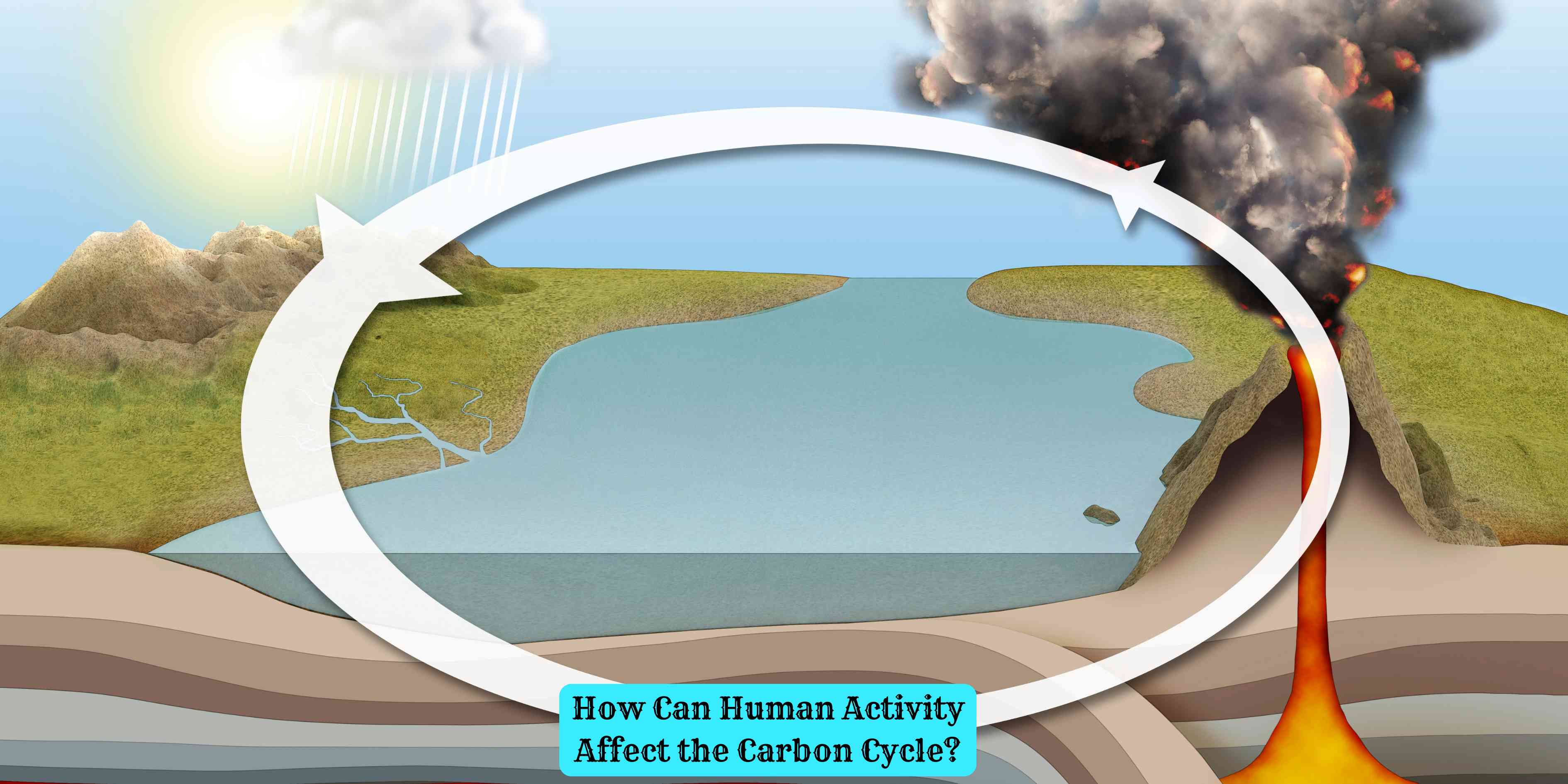
The carbon cycle normally moves carbon among the atmosphere, oceans, living organisms, soils, rocks, and fossil fuel deposits. Human activity disrupts that balance when it releases carbon dioxide faster than forests, oceans, soils, and other carbon sinks can remove it.
What the Carbon Cycle Does Naturally
The carbon cycle is the movement of carbon through Earth’s systems. Plants absorb carbon dioxide from the air during photosynthesis and store carbon in leaves, stems, roots, and soils. Animals eat plants or other animals, using carbon to build their bodies. Decomposers break down dead organisms and return carbon to soil and air.
Oceans also exchange carbon dioxide with the atmosphere. Some carbon dissolves in seawater, some is used by marine organisms, and some eventually becomes stored in sediments. Over very long periods, carbon can be locked away in rocks and fossil fuels.
This natural cycle is not perfectly still, but it usually has checks and balances. Human activity changes the speed, direction, and amount of carbon moving through the system.
Burning Fossil Fuels Adds Ancient Carbon
Coal, oil, and natural gas formed from ancient organic matter over millions of years. When people burn these fuels for electricity, transportation, heating, and industry, carbon that was stored underground becomes carbon dioxide in the atmosphere.
This matters because fossil fuel carbon is being released much faster than it was stored. Natural processes can absorb some extra carbon, but not enough to fully offset modern emissions. As a result, atmospheric carbon dioxide increases.
This is why energy use is central to climate discussions. Driving gasoline vehicles, powering factories with coal, heating buildings with gas, and producing electricity from fossil fuels all add carbon to the active carbon cycle.
Deforestation Reduces Carbon Storage
Forests are major carbon sinks. Trees absorb carbon dioxide and store carbon in wood, roots, leaves, and soil. When forests are cut down, two things happen at once: stored carbon may be released, and the land loses some of its future ability to absorb carbon.
If cleared trees are burned, carbon enters the atmosphere quickly. If they decay, carbon is released more gradually. Soil disturbance can also release carbon that had been stored underground.
Deforestation also changes local ecosystems. Less tree cover can mean hotter land surfaces, lower biodiversity, weaker soil structure, and less rainfall recycling in some regions. So the carbon cycle is affected directly by emissions and indirectly by changes in land function.
Agriculture Changes Soil and Methane Flows
Agriculture affects the carbon cycle in several ways. Tilling soil can expose organic matter to oxygen, speeding decomposition and releasing carbon dioxide. Draining wetlands for farming can release carbon that had been stored in waterlogged soils. Livestock, especially cattle, release methane during digestion, and manure management can add methane and nitrous oxide.
These gases are part of broader greenhouse gas cycles, but they connect to carbon because methane contains carbon and eventually breaks down into carbon dioxide in the atmosphere.
Agriculture can also help store carbon when managed carefully. Cover crops, reduced tillage, compost, agroforestry, and improved grazing can increase soil organic matter. That does not erase all agricultural emissions, but it shows that land management choices matter.
Cement Production Releases Carbon Dioxide
Cement production affects the carbon cycle in a special way. Making cement requires heating limestone, which contains calcium carbonate. During this chemical process, carbon dioxide is released. Cement plants also often use large amounts of energy, adding more emissions if that energy comes from fossil fuels.
This means construction affects the carbon cycle both through fuel use and through industrial chemistry. Roads, buildings, bridges, and infrastructure are important for society, but their materials carry environmental costs.
Cleaner energy, alternative materials, improved cement formulas, and more efficient construction can reduce the carbon impact of building.
Oceans Absorb Carbon but Face Stress
The ocean absorbs a large amount of carbon dioxide from the atmosphere. This helps slow atmospheric buildup, but it also changes ocean chemistry. When carbon dioxide dissolves in seawater, it can contribute to ocean acidification, making life harder for corals, shellfish, and some plankton that build calcium carbonate structures.
So the ocean is not simply a permanent solution for excess carbon. It is a sink with limits and consequences. Warmer water can also absorb less carbon dioxide than colder water, which may reduce the ocean’s ability to buffer emissions over time.
Human activity therefore affects both the air and the ocean side of the carbon cycle.
Urbanization and Land-Use Change Matter
Urban growth changes how carbon moves through landscapes. Paving land reduces vegetation and soil exposure. Buildings, roads, and parking lots replace plants that once absorbed carbon. Cities also concentrate energy use through transportation, heating, cooling, and industry.
However, cities can reduce emissions when they are designed well. Public transit, energy-efficient buildings, walkable neighborhoods, trees, green roofs, and renewable energy can lower carbon output per person.
Land-use change is one reason climate solutions are not only about individual behavior. Planning, infrastructure, and policy choices shape how much carbon a society emits.
How People Can Reduce the Impact
Human activity can harm the carbon cycle, but it can also help restore balance. Important actions include using renewable energy, improving efficiency, protecting forests, restoring wetlands and mangroves, reducing food waste, improving soil health, and designing cleaner transportation systems.
For students, the main lesson is simple: the carbon cycle is not just a diagram in a textbook. It is connected to electricity, food, housing, travel, farming, forests, oceans, and industry. Understanding that connection makes it easier to see why carbon decisions affect climate, ecosystems, and future generations.