

How Solid Garbage in Landfills Can Result in Air Pollution
Garbage in landfills can pollute the air as organic waste decomposes and landfill gases escape.
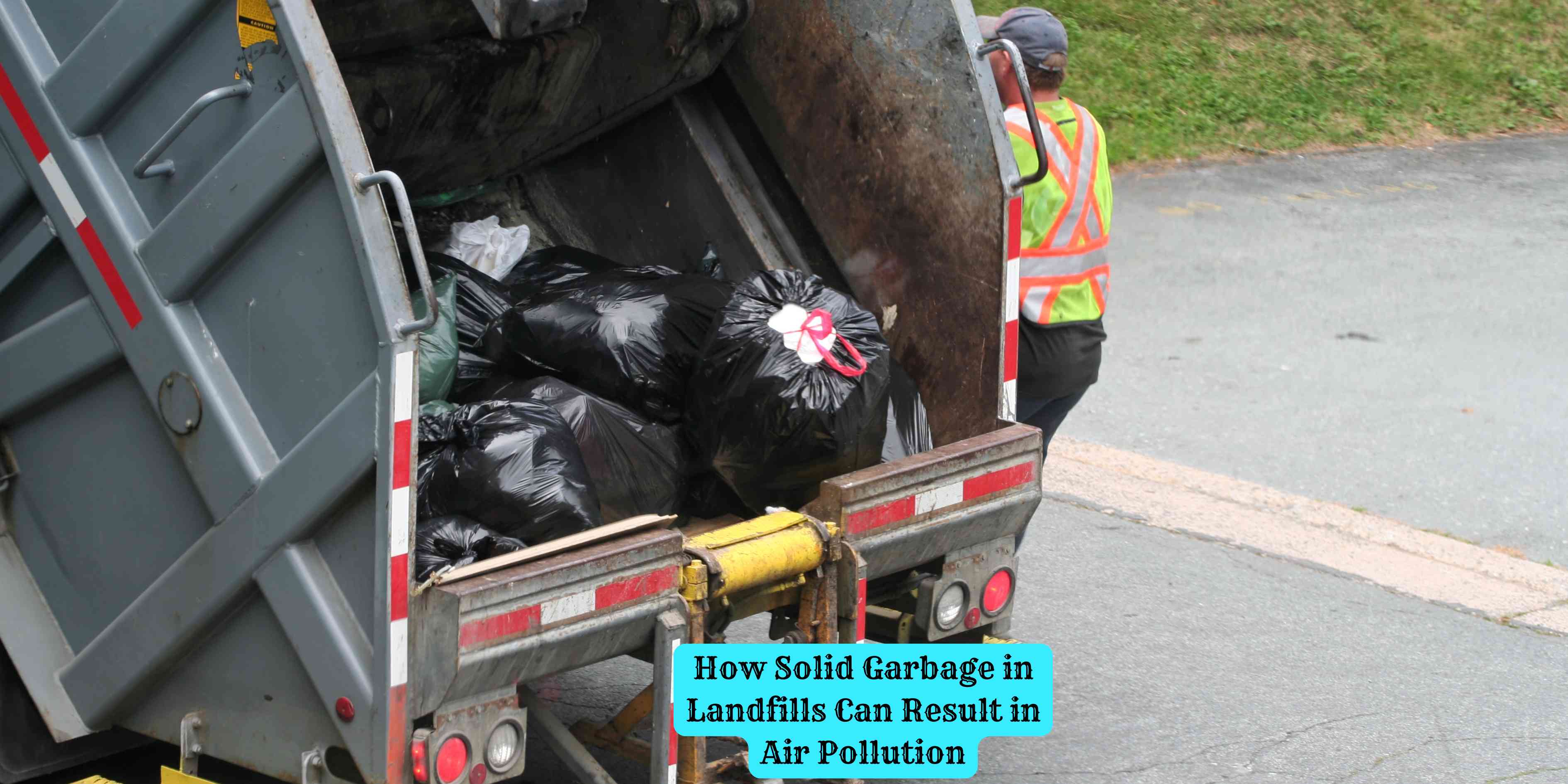
The Short Answer
Solid garbage in landfills can result in air pollution when organic waste decomposes and releases landfill gas, mainly methane and carbon dioxide, along with small amounts of other gases and volatile compounds. Landfills can also produce odors, dust, smoke from fires, and emissions from trucks and equipment.
Landfill air pollution happens because waste does not simply sit still; it breaks down chemically and biologically, producing gases that can escape into the air.
Organic Waste Produces Landfill Gas
Food scraps, paper, cardboard, yard waste, wood, and other organic materials can decompose in landfills. Deep inside a landfill, waste is often buried without much oxygen. Under these anaerobic conditions, microbes break down organic matter and produce landfill gas.
Landfill gas is commonly made mostly of methane and carbon dioxide. It can also contain small amounts of non-methane organic compounds.
This gas can move through the landfill and escape through the surface, cracks, vents, or collection systems.
Methane Is a Powerful Greenhouse Gas
Methane is a major reason landfills matter for air pollution and climate change. It is a powerful greenhouse gas, meaning it traps heat in the atmosphere.
Municipal solid waste landfills are one of the important human-related sources of methane emissions. Food waste is especially significant because it decomposes and contributes to methane formation.
Reducing food waste, composting properly, and capturing landfill gas can help lower methane emissions.
Carbon Dioxide Is Also Released
Landfills also release carbon dioxide. CO2 is produced during decomposition and may also be released when landfill gas is burned or flared.
Flaring methane can reduce methane’s climate impact because methane is more powerful than carbon dioxide over shorter time periods. However, it still produces CO2 and may create other emissions depending on conditions.
Capturing landfill gas for energy can reduce some emissions, but prevention and waste reduction remain important.
Other Compounds Can Affect Air Quality
Landfill gas may contain small amounts of volatile organic compounds and other trace gases. Some can contribute to odors, smog formation, or health concerns near poorly managed sites.
The exact gases depend on what is in the landfill, moisture levels, temperature, age of the waste, and landfill design.
Modern landfill management may include liners, covers, gas collection systems, monitoring wells, and flares or energy systems to reduce uncontrolled releases.
Odors Are a Form of Air Impact
Landfills can produce unpleasant odors from decomposing waste, landfill gas, leachate treatment, uncovered trash, and waste handling. Odors may not always mean toxic exposure, but they can reduce quality of life for nearby communities.
Strong odors can cause headaches, nausea, stress, and complaints. They can also signal that gas control, cover practices, or waste management need improvement.
Daily cover, gas capture, faster waste compaction, and better separation of organic waste can help reduce odor problems.
Fires and Smoke Can Occur
Landfill fires can create serious air pollution. Fires may occur on the surface or underground. They can release smoke, particulate matter, carbon monoxide, and toxic compounds depending on what burns.
Fires may be caused by hot loads, chemicals, batteries, methane buildup, or improper disposal. Lithium batteries and hazardous waste can be especially problematic if they enter ordinary trash streams.
Preventing fires requires careful waste screening, landfill monitoring, and proper disposal of dangerous materials.
Trucks and Equipment Add Emissions
Landfills also create air pollution through the vehicles and equipment used to collect, transport, compact, and cover waste. Garbage trucks, bulldozers, compactors, and other machines may emit diesel exhaust, nitrogen oxides, particulate matter, and greenhouse gases.
Traffic around landfills can also affect nearby air quality. Cleaner vehicles, route planning, electrification, and reduced waste generation can lower these emissions.
The air pollution problem is therefore both biological and operational.
Key Takeaway
Solid garbage in landfills can result in air pollution because decomposing waste produces methane, carbon dioxide, odors, and trace gases. Landfill fires, dust, and waste-hauling equipment can add more pollutants.
Reducing waste, diverting food scraps, composting correctly, capturing landfill gas, preventing fires, and improving landfill operations can all reduce air pollution from solid garbage.