

Blog
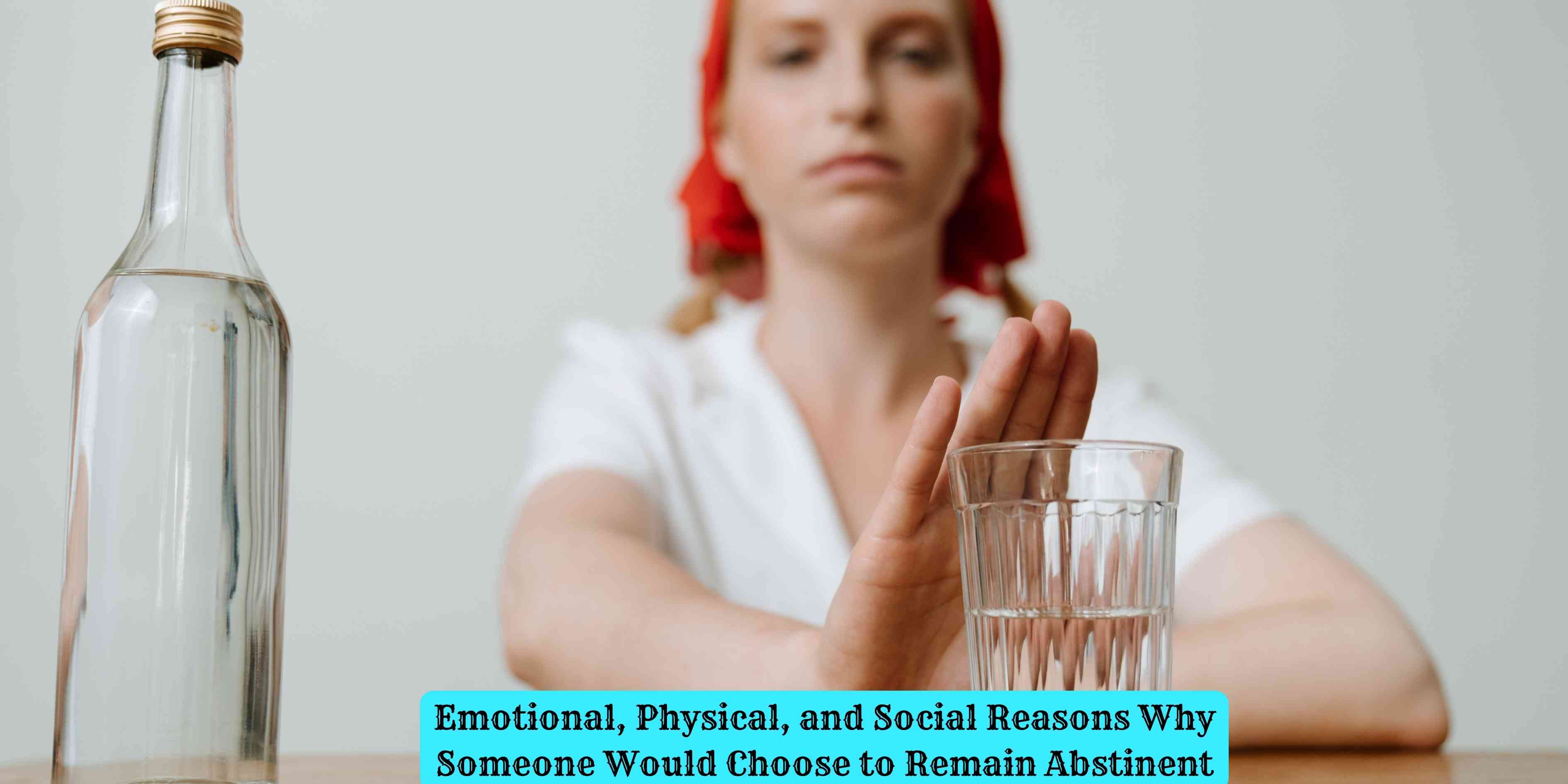
Emotional, Physical, and Social Reasons Why Someone Would Choose to Remain Abstinent
Abstinence is a choice made for many different reasons — emotional, physical, social, and personal. Here's a complete look at the motivations behind this decision.

Explain How Glaspell Uses Irony to Illustrate Mistreatment of Women in the Early Twentieth Century
Susan Glaspell's Trifles and A Jury of Her Peers are studies in irony — the gap between what men see and what women know is the entire point. Here's how she builds and deploys that irony.
Explain How Hereditary Diseases Are Passed from One Generation to Another
Hereditary diseases follow predictable patterns of inheritance depending on which gene is affected and how it behaves. Here's a clear explanation of how they're transmitted across generations.
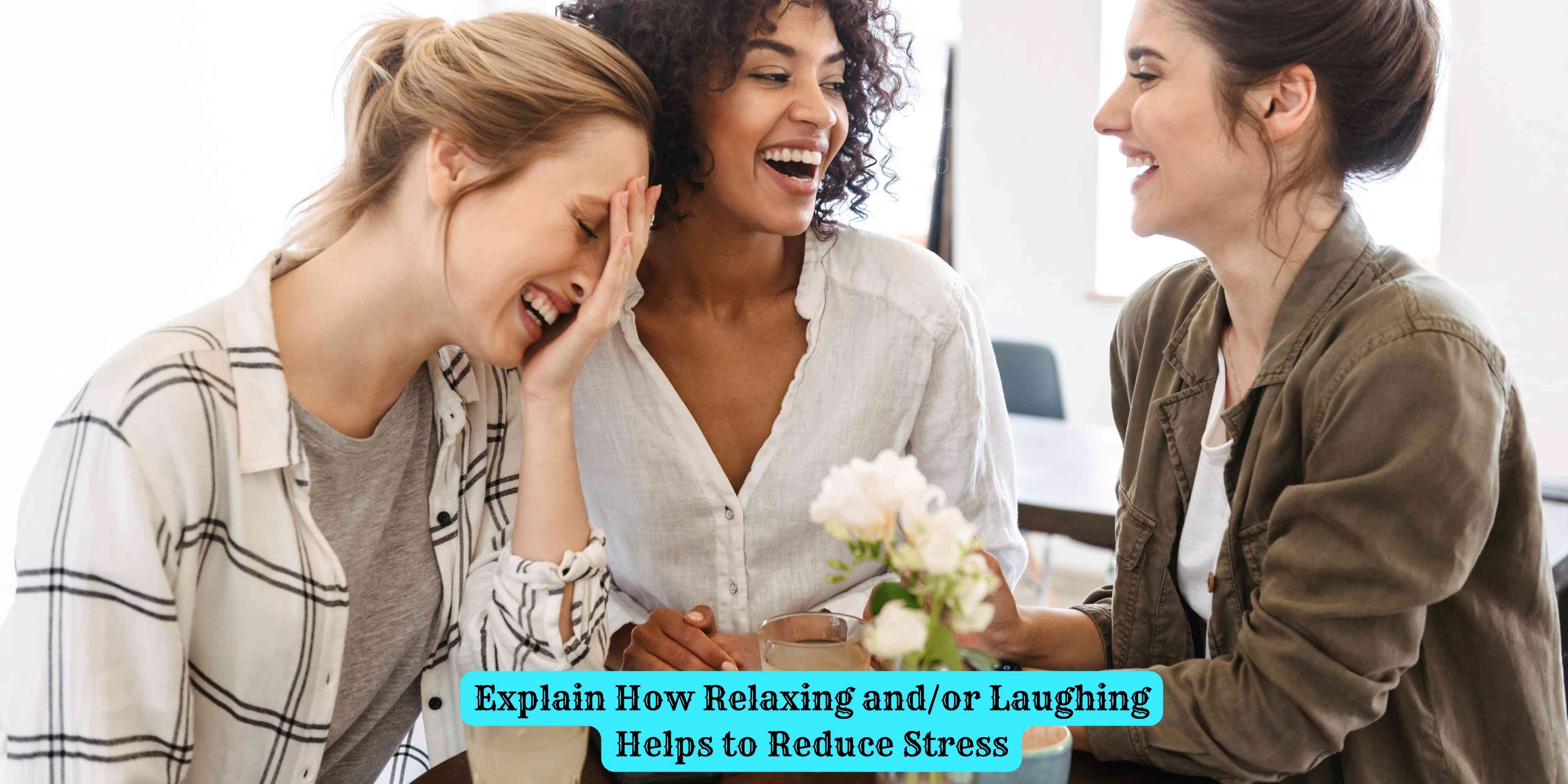
Explain How Relaxing and/or Laughing Helps to Reduce Stress
Relaxation and laughter reduce stress through measurable physiological mechanisms — they're not just pleasant diversions. Here's the science behind how and why they work.
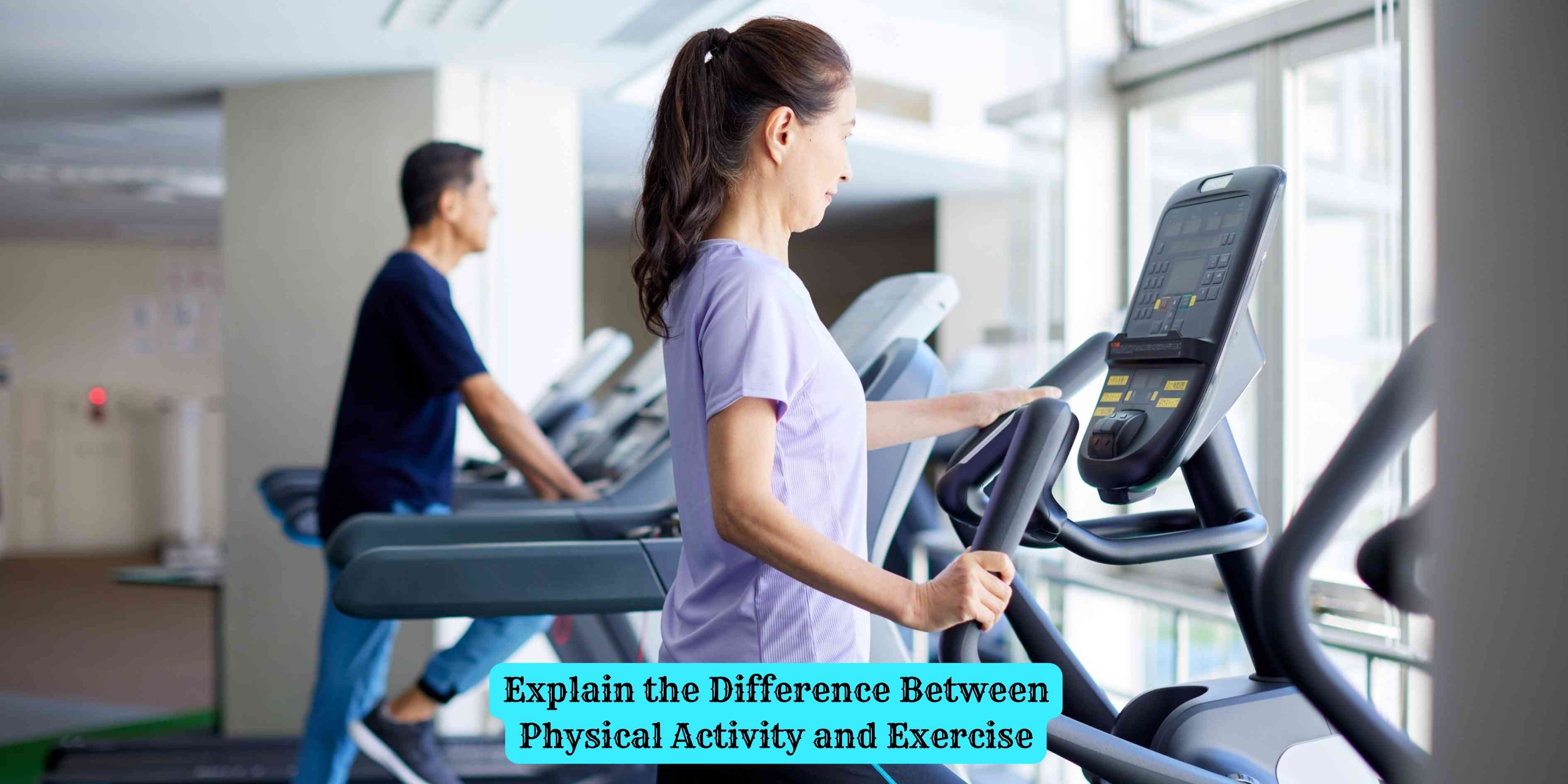
Explain the Difference Between Physical Activity and Exercise
Physical activity and exercise are often used interchangeably, but they mean different things. Here's the distinction, why it matters, and how both contribute to health.
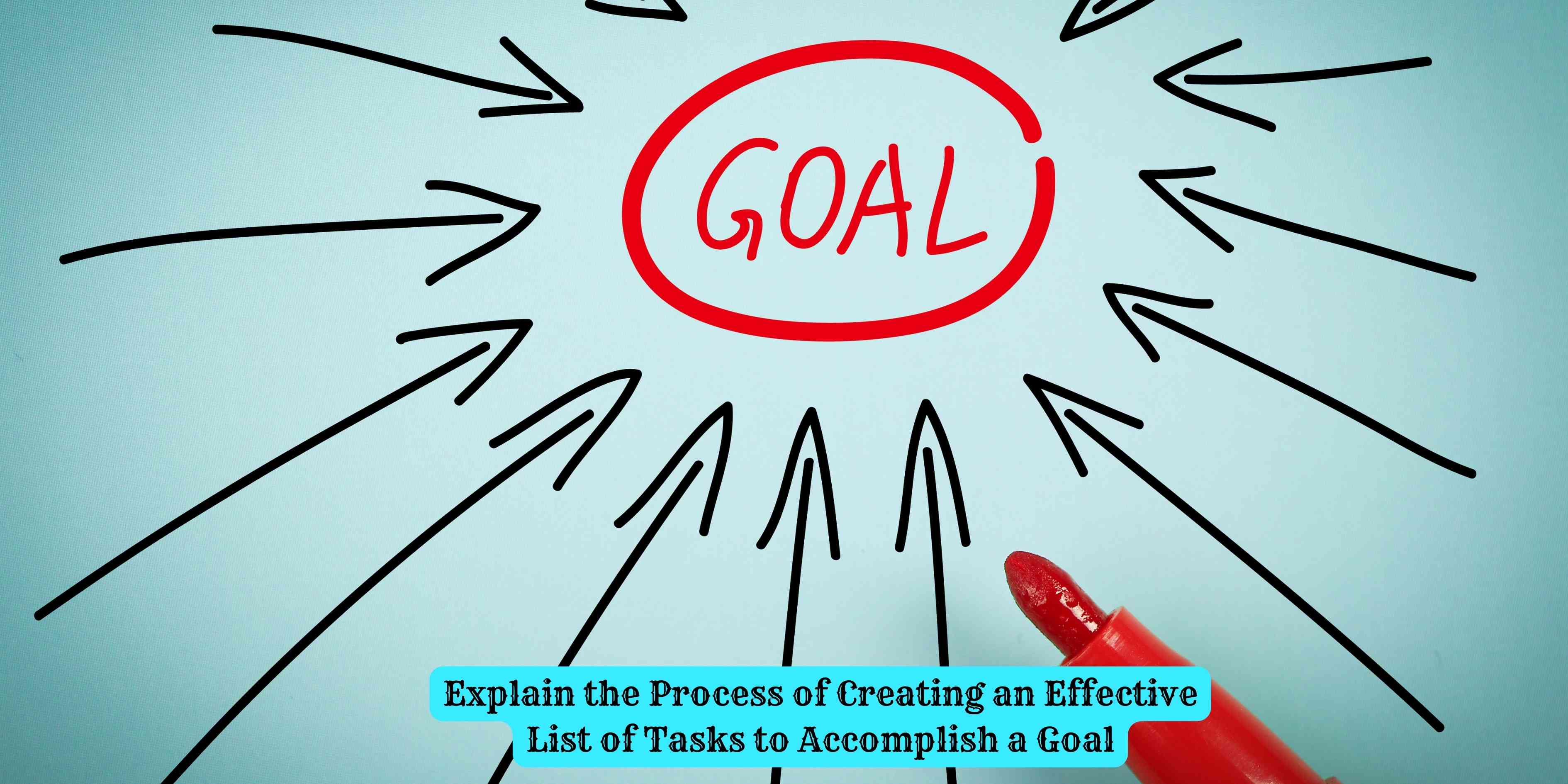
Explain the Process of Creating an Effective List of Tasks to Accomplish a Goal
A goal without a task list is just a wish. Here's the process for breaking any goal into an actionable, prioritized list of tasks that actually produces results.
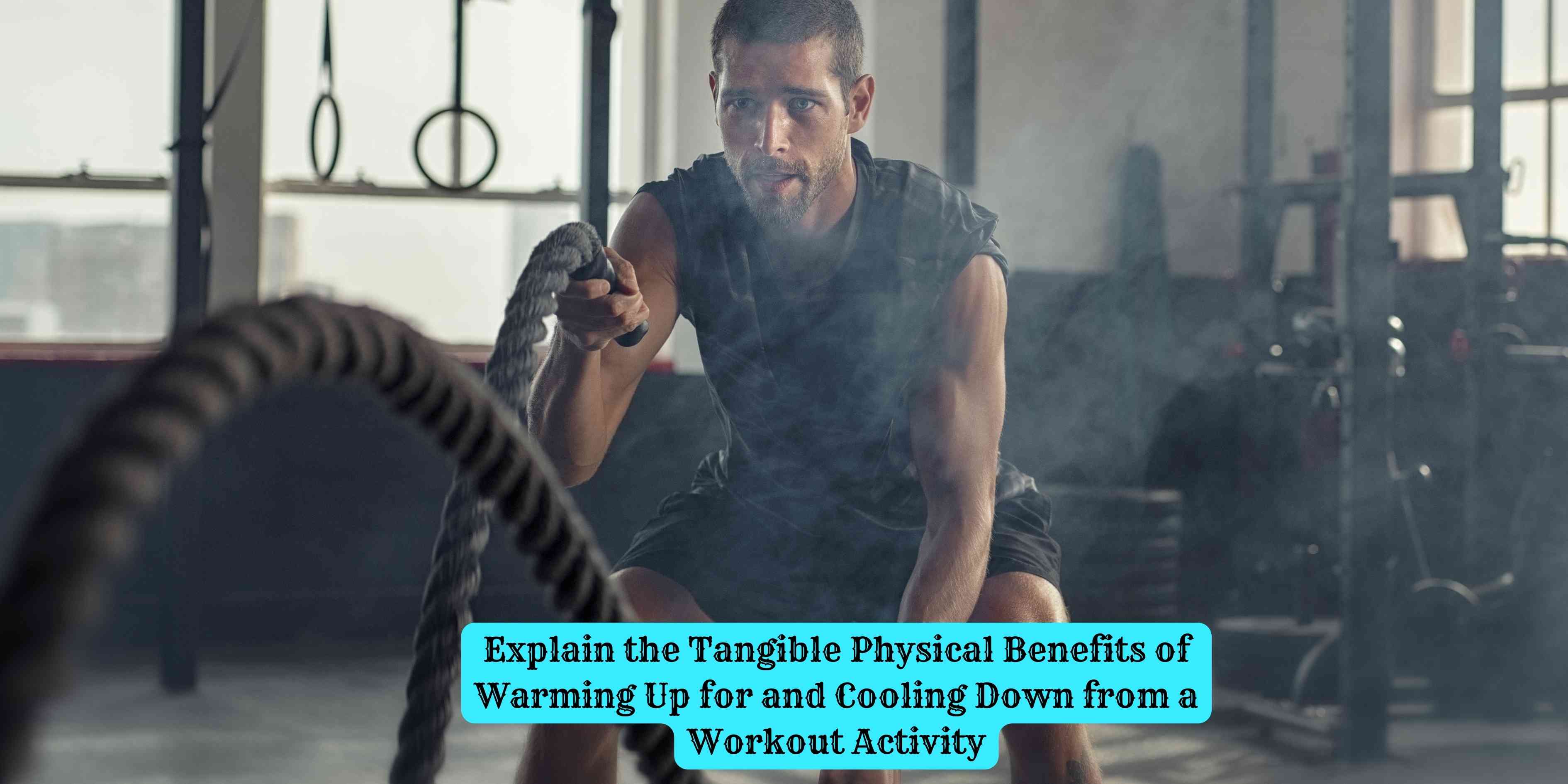
Explain the Tangible Physical Benefits of Warming Up for and Cooling Down from a Workout Activity
Warm-ups and cool-downs are more than ritual — they produce specific physiological changes that improve performance and reduce injury risk. Here's exactly what they do to your body.

Explain Three of the Seven Phases of the Impulse Purchase Cycle
Impulse purchases don't happen randomly — they follow a predictable seven-phase cycle. Here are three of the most important phases and how understanding them helps you manage spending.
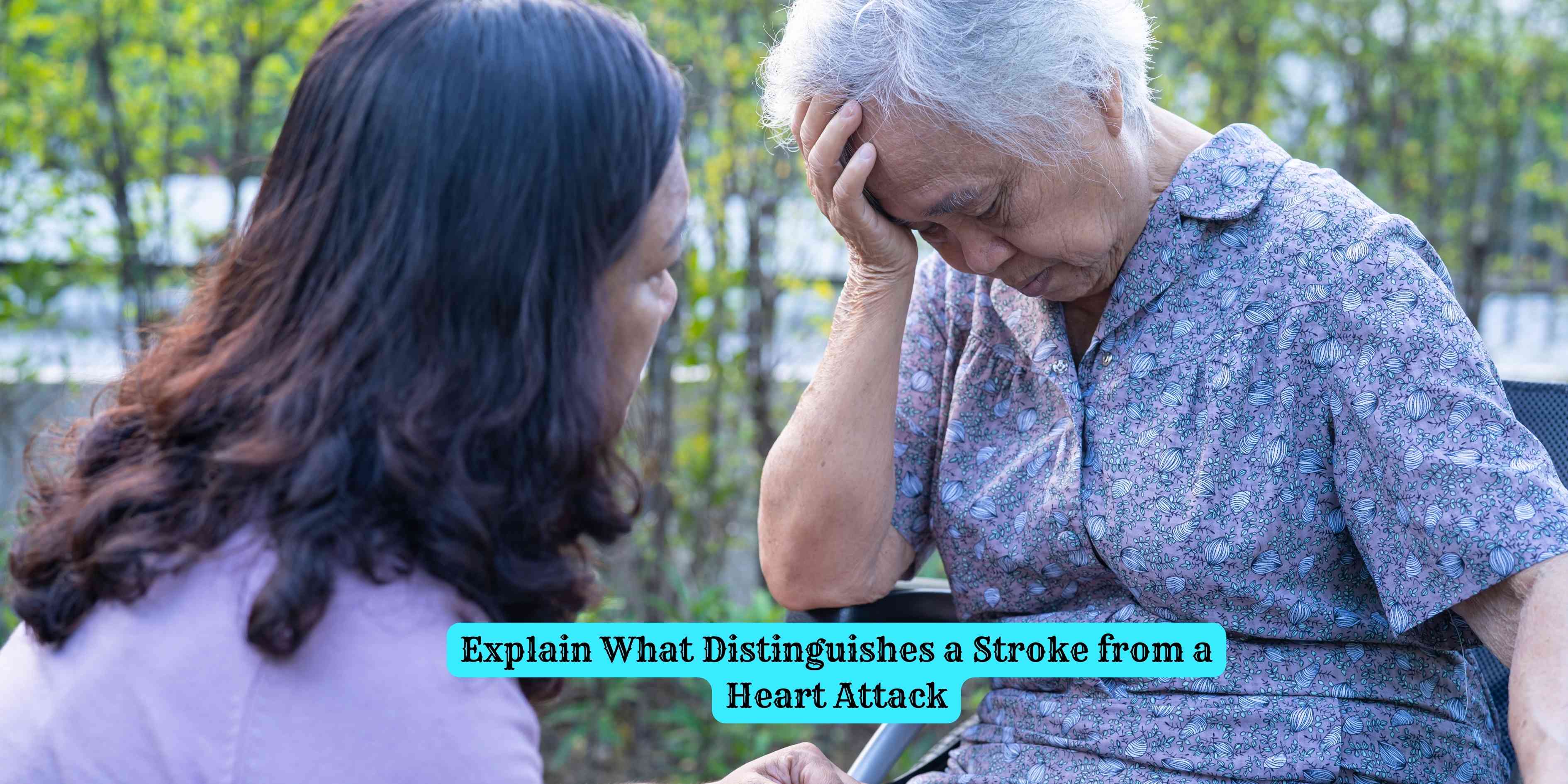
Explain What Distinguishes a Stroke from a Heart Attack
Both strokes and heart attacks are sudden, life-threatening emergencies — but they affect different organs and require different responses. Here's exactly how they differ and what to watch for.