

Emotional, Physical, and Social Reasons Why Someone Would Choose to Remain Abstinent
Abstinence is a choice made for many different reasons — emotional, physical, social, and personal. Here's a complete look at the motivations behind this decision.
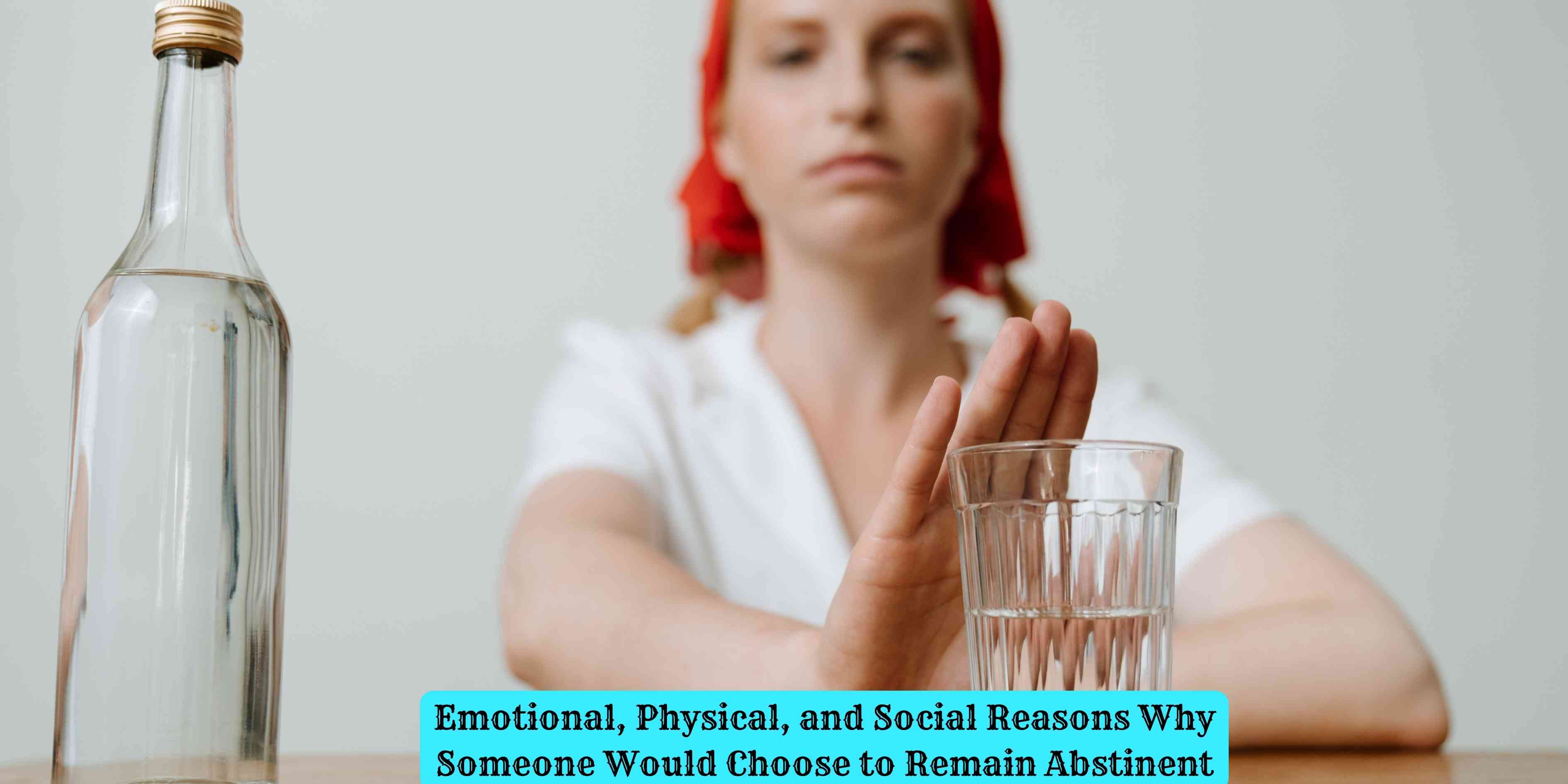
Sexual abstinence — the choice to refrain from sexual activity — is made for a range of overlapping reasons: emotional readiness, physical health and pregnancy prevention, personal values, religious or moral beliefs, and social factors including family expectations and relationship status. No single motivation defines the choice, and many people who choose abstinence cite multiple reasons simultaneously. What these reasons share is that abstinence represents a deliberate decision about one’s own body and relationships, made on the individual’s own terms.
Emotional Reasons
Not feeling ready: One of the most common emotional reasons for abstinence is a straightforward sense that the time isn’t right — that the person doesn’t feel emotionally prepared for the vulnerability, intimacy, and potential consequences that sexual activity involves. This readiness is personal and varies widely; recognizing that you’re not ready is a form of self-knowledge that protects emotional wellbeing.
Protecting emotional health: Sexual activity, particularly early or before a relationship has established trust and mutual care, can be emotionally complex. Some people choose abstinence to protect themselves from experiences of attachment, regret, or emotional pain that can follow sexual relationships that don’t work out. Emotional safety is a legitimate reason to set limits around sexual activity.
Healing after past experiences: People who have experienced sexual trauma, past relationship damage, or emotional harm connected to sexual activity sometimes choose abstinence as part of a healing process — a period of emotional recovery during which they are not in a position to engage in sexual relationships safely or healthily.
Waiting for the right relationship: Some people choose abstinence not as a permanent commitment but as a decision to wait until they are in a relationship characterized by commitment, trust, and mutual care — qualities they feel are necessary for sexual activity to be healthy and meaningful. This is sometimes framed as waiting for marriage; in other cases, it is simply waiting for a relationship with a different quality than what is currently available.
Physical Reasons
Preventing sexually transmitted infections (STIs): Abstinence is the only method that completely eliminates the risk of sexually transmitted infections. This is a significant motivator, particularly for people who are aware of STIs they could be at risk for, who have concerns about condom failure rates, or who have a specific health history that makes STI prevention especially important.
Preventing unintended pregnancy: Abstinence is the only form of contraception with 100% effectiveness in preventing pregnancy. For people who are not in a position — financially, relationally, or in terms of life stage — to manage an unintended pregnancy, this represents a compelling physical reason to choose abstinence.
General physical health: Abstinence removes the physical risks associated with sexual activity: STI transmission, unwanted pregnancy, and in some circumstances physical injury. For people who prioritize physical health as a primary consideration, these eliminated risks represent a substantive health benefit.
Social and Value-Based Reasons
Religious and moral beliefs: Many religious traditions teach that sexual activity outside marriage is morally wrong or inconsistent with the kind of person one should strive to be. For adherents of these traditions — including conservative versions of Christianity, Islam, Judaism, and others — abstinence outside of marriage is not merely a preference but an expression of faith and personal integrity. Moral conviction is one of the most powerful and stable motivators for abstinence.
Family and cultural expectations: Family norms, cultural traditions, and community expectations around sexual activity are powerful social forces. In communities where abstinence before marriage is the strong expectation, social belonging, family relationships, and community standing may be meaningful factors in the decision. These social reasons are not external pressure imposed without internal agreement — for many people, family and community values are genuinely their own values.
Personal values and self-respect: Some people choose abstinence as an expression of their values about their own body and relationships — a deliberate decision about who they want to be and what they want their intimate relationships to mean. This is sometimes framed as “saving sex for something meaningful” rather than a response to pressure from any external source.
What Makes Abstinence a Real Choice
The key distinction between abstinence as a genuine choice and abstinence as an imposition is whether the decision comes from the person’s own values, priorities, and sense of readiness rather than from coercion, fear, shame, or social pressure they have not examined and freely accepted. A person who chooses abstinence because they genuinely aren’t ready, because they want to protect their health, because their faith matters to them, or because they are waiting for a relationship with qualities they currently don’t have — that is a self-determined decision made in the person’s own interest. Abstinence education and discussions of abstinence are most valuable when they present it as one legitimate choice among several, help young people understand their own reasons for the choices they make, and frame the decision in terms of self-knowledge and personal agency rather than fear or external obligation.