

Explain the Difference Between Physical Activity and Exercise
Physical activity and exercise are often used interchangeably, but they mean different things. Here's the distinction, why it matters, and how both contribute to health.
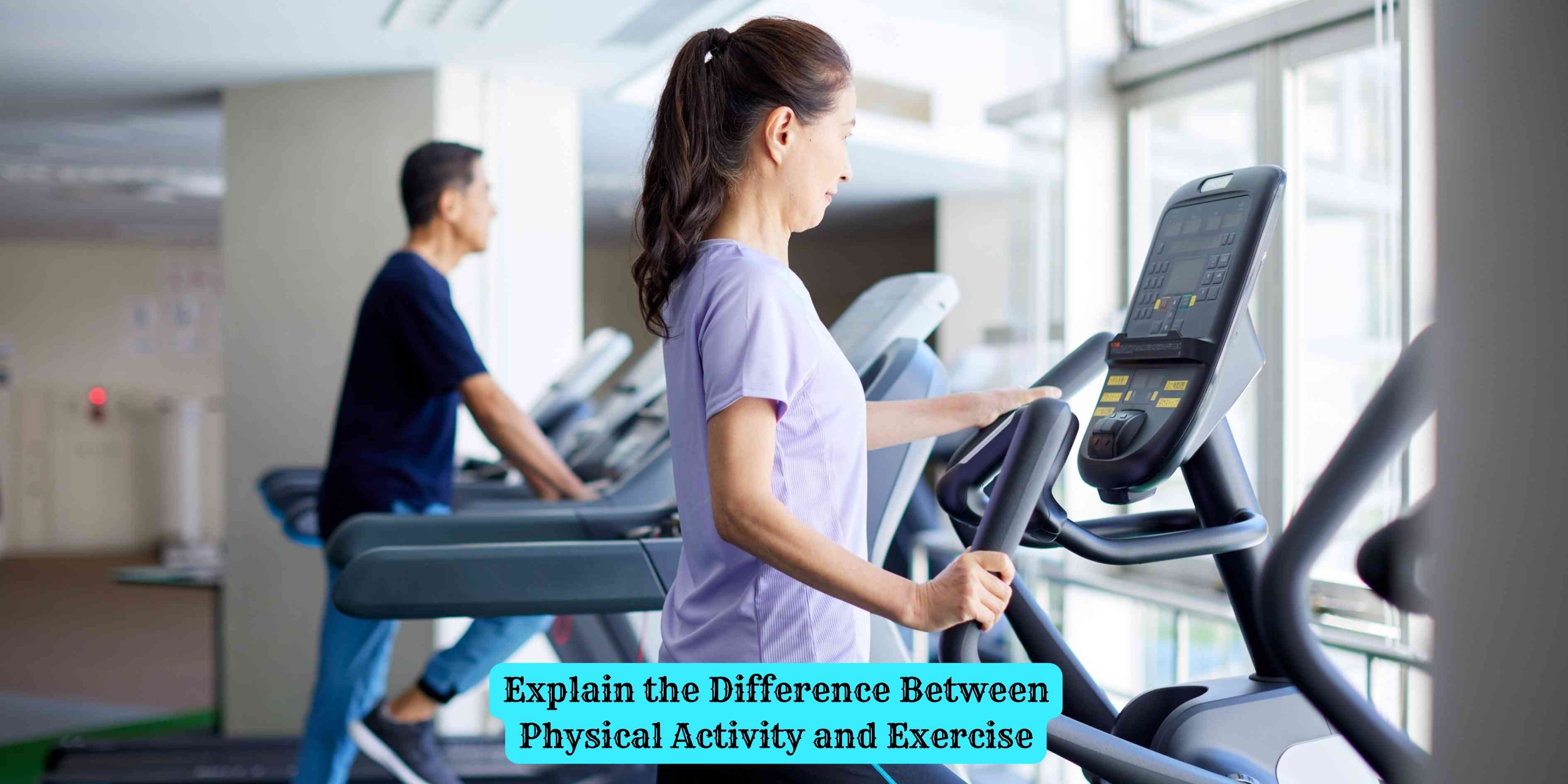
Physical activity is any bodily movement produced by skeletal muscles that results in energy expenditure above resting levels. Exercise is a subset of physical activity that is planned, structured, repetitive, and performed with the goal of improving or maintaining physical fitness. All exercise is physical activity, but not all physical activity is exercise. Walking to the mailbox is physical activity; a planned 30-minute brisk walk for cardiovascular fitness is exercise. Gardening, household chores, climbing stairs, and dancing at a wedding are all physical activity. Swimming laps three times a week at a set intensity for cardiovascular training is exercise. The distinction matters because both contribute to health, but in different ways and degrees, and public health recommendations address both separately.
Defining Physical Activity
Physical activity encompasses any movement of the body that uses energy beyond the basal metabolic rate (the energy expended at rest). It includes:
Occupational physical activity: Movement involved in work — a construction worker lifting materials, a nurse walking between patient rooms, a delivery driver loading packages.
Household activity: Vacuuming, mopping, lawn mowing, carrying groceries, childcare tasks.
Transportation activity: Walking or cycling as a mode of travel.
Leisure activity: Recreational movement that is not specifically planned as exercise — a hike with friends, dancing, playing with children in the yard, gardening.
Physical activity is typically measured in total energy expenditure (calories), steps taken per day, or minutes of movement above sedentary levels. The key characteristic is that it is not necessarily purposeful for fitness — it occurs as part of daily life and is valued for its incidental health contribution rather than as a fitness program.
Defining Exercise
Exercise is physical activity that meets additional criteria: it is planned (deliberately scheduled), structured (follows a defined protocol), repetitive (involves repeated movements or sessions), and purposeful (performed specifically to achieve a health or fitness goal). Exercise is what people mean when they say they are “working out.”
Examples of exercise include: running 5 miles three times per week at a target heart rate zone; weight training with a progressive resistance program twice a week; swimming 30 laps in a set time; attending a cycling class following a structured power output program.
The intentionality of exercise distinguishes it from incidental physical activity. A person who exercises typically monitors metrics — duration, intensity, heart rate, sets and repetitions — to ensure they are achieving an adequate training stimulus for their goal.
How They Relate to Health
Both physical activity and exercise contribute to health outcomes, but through somewhat different mechanisms and to different degrees:
Sedentary behavior — extended periods of sitting or lying down with minimal movement — is independently associated with poor health outcomes even in people who exercise regularly. A person who exercises vigorously for 30 minutes in the morning and then sits at a desk for 9 hours is physically active but largely sedentary, and research suggests this pattern carries cardiovascular risk that cannot be fully offset by the exercise session.
Total daily physical activity is therefore a separate health variable from exercise frequency and intensity. Increasing non-exercise physical activity — taking stairs rather than elevators, walking during breaks, standing rather than sitting periodically — has measurable health benefits independent of formal exercise programs.
Exercise provides fitness benefits — specific, measurable improvements in cardiovascular endurance, muscular strength and endurance, flexibility, and body composition — that require the structure, intensity, and progressivity of planned training to achieve. Daily walking provides health benefits but does not produce the VO2 max improvements that structured aerobic training produces.
Why the Distinction Matters
The practical importance of the physical activity/exercise distinction is that health behavior recommendations cannot be reduced to “exercise more.” A sedentary person whose life involves no incidental movement benefits substantially from any increase in physical activity — even walking more — and these benefits are real and meaningful independent of whether they begin a formal exercise program. Conversely, a person who believes they are getting adequate health benefit from occupational physical activity may be overlooking the absence of the fitness benefits that structured exercise provides. Public health guidelines address this by recommending both a minimum weekly volume of structured exercise (150 minutes of moderate-intensity aerobic activity, or 75 minutes of vigorous-intensity) and a general reduction in sedentary behavior across the day. Both targets matter independently, and meeting one does not substitute for the other. Understanding the distinction allows people to assess their own physical activity profile accurately rather than conflating an active job with an adequate fitness program or assuming that a gym routine compensates for otherwise sedentary daily behavior.