

Does Social Media Cause Depression? Literature Review
Research suggests social media use is linked with depression for some people, especially adolescents, but the evidence is more complex than saying social media directly causes depression in everyone.
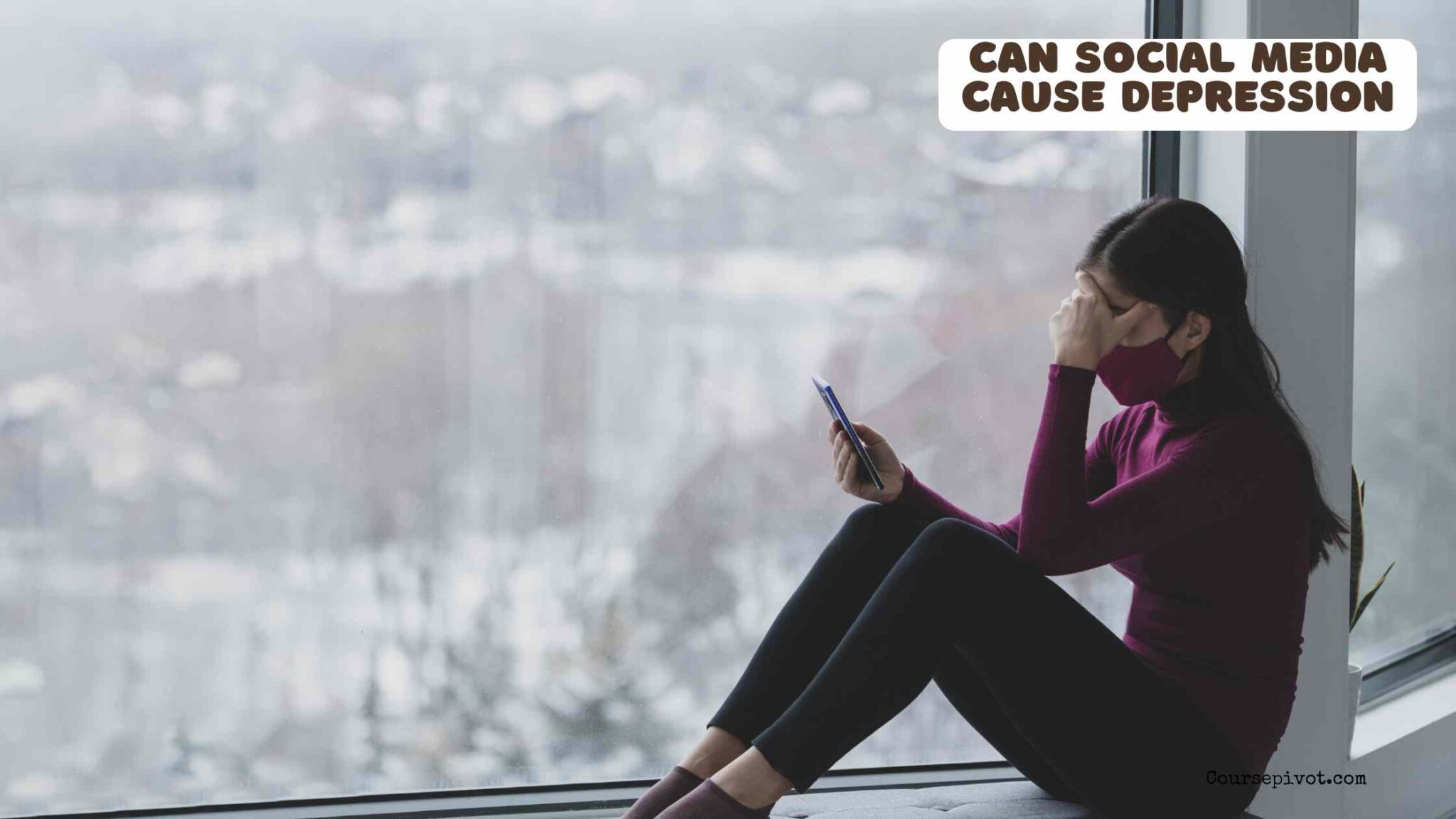
Social media is often blamed for rising depression, especially among teenagers and young adults. The concern is understandable. Many people spend hours each day on platforms that encourage comparison, constant feedback, public visibility, and endless scrolling. At the same time, social media can also provide friendship, identity support, information, humor, creativity, and community.
So, does social media cause depression? The best answer from the literature is careful: social media use is associated with depression and other internalizing symptoms in many studies, but the evidence does not prove that social media directly causes depression in every user.
The strongest conclusion is that social media can contribute to depression risk for some people, depending on how much they use it, what they experience online, their age, gender, sleep, offline support, and existing mental health.
What the Research Generally Shows
Research on social media and depression has grown quickly. Systematic reviews and meta-analyses generally find a positive association between social media use and symptoms such as depression, anxiety, psychological distress, loneliness, and lower well-being.
However, the size of the association varies. Some studies find small effects, while others find stronger patterns among specific groups, such as adolescent girls, heavy users, young people exposed to cyberbullying, or users who experience poor sleep because of late-night scrolling.
This matters because an association is not the same as proof of direct causation. A student who uses social media heavily may become more depressed, but a depressed student may also use social media more because they feel lonely, bored, rejected, or unable to sleep.
Evidence Supporting a Link
The U.S. Surgeon General’s Advisory on Social Media and Youth Mental Health warned that social media can pose risks to young people’s mental health. The advisory noted evidence linking heavy social media use with higher risk of depression and anxiety symptoms, especially among adolescents who spend several hours per day on platforms.
Recent systematic reviews also support concern. A 2024 systematic review and meta-analysis in JAMA Pediatrics found a positive association between adolescent social media use and internalizing symptoms, which include depression and anxiety. Another review of social media, mental health, and sleep in young people reported small but significant associations between social media use, depression, and anxiety.
These findings do not mean every teenager who uses social media will become depressed. They do mean that social media is not emotionally neutral for everyone, especially when use becomes intense, stressful, sleep-disrupting, or socially harmful.
Evidence That Makes Causation Complicated
Some large studies find that the relationship between digital technology use and well-being is negative but small. For example, a Nature Human Behaviour study using large datasets found that digital technology use explained only a small share of variation in adolescent well-being.
This does not prove social media is harmless. It shows that the question is methodologically difficult. Studies use different definitions of social media use, different mental-health measures, different age groups, and different methods. Some measure total screen time, while others measure social media specifically. Some measure symptoms at one time point, while others follow people over time.
Depression also has many causes: genetics, trauma, family conflict, bullying, isolation, sleep problems, academic stress, discrimination, medical conditions, and other life pressures. Social media may be one influence among many rather than the single cause.
Possible Mechanisms: How Social Media May Increase Risk
Researchers have identified several possible pathways between social media and depression. One is social comparison. Constant exposure to edited photos, achievements, relationships, bodies, lifestyles, and popularity signals can make users feel inadequate.
Another pathway is cyberbullying or online harassment. Negative comments, exclusion, rumor-spreading, public embarrassment, and unwanted messages can seriously affect mood and self-worth.
Sleep disruption is also important. Late-night scrolling, notifications, emotional conversations, and blue-light exposure can reduce sleep quality. Poor sleep is strongly linked with depression and anxiety. Social media may also displace offline habits that protect mental health, such as exercise, hobbies, face-to-face friendship, and rest.
Who May Be More Vulnerable?
The literature suggests that social media does not affect everyone the same way. Adolescents may be more vulnerable because identity, peer approval, body image, emotional regulation, and social belonging are especially important during this stage of life.
Some studies suggest stronger associations for girls than boys, partly because girls may experience more appearance-based comparison, relational aggression, and social evaluation online. However, boys can also be affected, especially through isolation, gaming-linked communities, harassment, or pressure to hide emotional struggles.
People who already feel lonely, anxious, depressed, bullied, rejected, or socially excluded may also be more vulnerable. Social media can either help them find support or deepen the problem, depending on what they encounter and how they use it.
When Social Media May Help Mental Health
The literature is not only negative. Social media can help people maintain friendships, find peer support, learn coping skills, access mental-health education, join identity-affirming communities, and feel less alone.
For marginalized students, isolated young people, students with rare conditions, or those who lack support nearby, online communities can provide connection that may not be available offline.
This is why a balanced literature review should not say “social media always causes depression.” A better conclusion is that social media can be helpful or harmful depending on content, context, time spent, user vulnerability, platform design, and whether online life supports or replaces healthy offline life.
Practical Takeaways From the Literature
Students and families should pay attention to patterns, not just minutes. The key question is not only “How long am I online?” but also “How do I feel afterward?”
Warning signs include worse mood after scrolling, comparing yourself constantly, losing sleep, avoiding schoolwork, withdrawing from offline friends, checking notifications compulsively, feeling distressed by posts, or being bullied online.
Students can reduce risk by setting phone-free sleep time, unfollowing accounts that trigger comparison, reporting harassment, taking breaks from stressful platforms, spending more time with offline friends, and replacing passive scrolling with active, meaningful use. If stress is becoming hard to manage, it may help to review common signs that an individual is experiencing stress and 7 ways to stop anxiety before it starts.
Limitations of the Literature
Many studies rely on self-reported screen time, which can be inaccurate. Platforms also change quickly, so research from one year may not fully capture newer features, algorithms, short-form video habits, private messaging patterns, or AI-driven feeds.
Another limitation is that “social media use” is a broad category. Posting, watching videos, messaging close friends, reading news, joining support groups, being bullied, comparing bodies, and promoting a business are very different activities.
Future research needs stronger longitudinal designs, better measurement of actual platform use, attention to vulnerable groups, and clearer distinction between passive scrolling, active connection, harmful exposure, and supportive communities.
Conclusion
The literature does not support a simplistic claim that social media automatically causes depression in everyone. It does support concern that heavy, harmful, sleep-disrupting, comparison-driven, or bullying-related social media use can increase depression risk, especially among adolescents and vulnerable users.
Social media is best understood as a risk amplifier: it may worsen existing vulnerabilities for some people, while offering support and connection for others.
If social media is affecting your sleep, mood, self-worth, school performance, or relationships, take it seriously. Talk to a trusted adult, counselor, doctor, or mental-health professional. If you ever feel at risk of harming yourself, seek emergency help immediately or contact a local crisis support line.
Selected References
- U.S. Surgeon General. (2023). Social Media and Youth Mental Health.
- Valkenburg, P. M., et al. (2024). Social Media Use and Internalizing Symptoms in Clinical and Community Adolescent Samples.
- Orben, A., & Przybylski, A. K. (2019). The association between adolescent well-being and digital technology use.
- Keles, B., McCrae, N., & Grealish, A. (2019). A systematic review: the influence of social media on depression, anxiety and psychological distress in adolescents.
- HHS. (2023). Surgeon General’s Advisory.