

10 Common Signs That an Individual Is Experiencing Stress
Stress often builds quietly — recognizing these ten signs early can help you or someone you care about take action before it escalates.
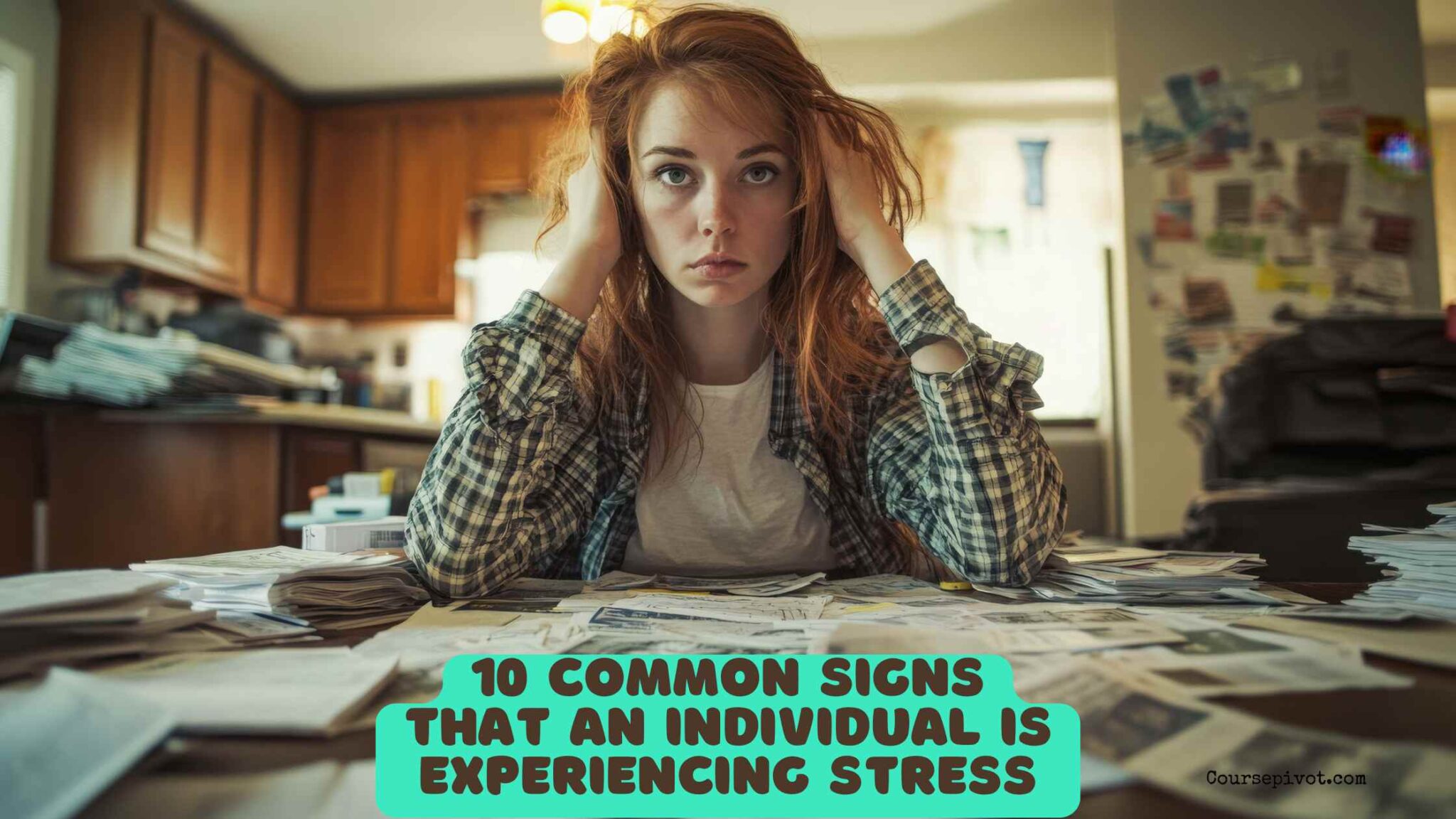
When people search for signs that an individual is experiencing stress, they are often noticing changes in themselves or someone close to them and trying to make sense of what they are seeing.
Stress is a normal part of life. Some of it is productive — a manageable challenge that sharpens focus and drives action. But when stress becomes chronic or overwhelming, it starts to show up across every area of life: in how someone sleeps, eats, thinks, behaves, and feels.
The earlier stress is recognized, the more options exist for addressing it before it takes a bigger toll on health and daily functioning.
Here are ten common signs that an individual is experiencing stress, and what each one can tell you about what is happening beneath the surface.
1. Frequent Headaches or Physical Tension
One of the most common physical signs of stress is tension that shows up in the body — particularly in the head, neck, shoulders, and jaw. Stress triggers the body’s fight-or-flight response, which causes muscles to tighten. When that response is activated repeatedly over days or weeks, the muscle tension can become chronic.
Tension headaches, a stiff neck, a clenched jaw, and tight shoulders are all common physical signs of sustained stress. Many people carry stress in their body without consciously realizing it until the discomfort becomes hard to ignore.
2. Sleep Disruptions
Sleep and stress have a closely linked relationship, and it goes in both directions. Stress makes it harder to fall asleep, harder to stay asleep, and harder to feel rested even after a full night. Meanwhile, poor sleep increases the body’s stress response and makes it harder to regulate emotions the next day.
Signs of stress-related sleep disruption include:
- Lying awake with racing or looping thoughts
- Waking up repeatedly during the night
- Sleeping much more than usual as a way of escaping the pressure
- Feeling exhausted in the morning despite getting enough hours
A noticeable shift in sleep patterns — in either direction — is often one of the first signs that something is off.
3. Changes in Appetite or Eating Habits
Stress affects appetite differently in different people. Some people lose interest in food entirely when stressed — meals feel unimportant, or the thought of eating is simply not appealing. Others find themselves eating more than usual, particularly reaching for high-sugar or high-fat foods that provide short-term relief.
Both patterns are common responses to elevated cortisol — the stress hormone the body releases during sustained pressure. A noticeable and out-of-character change in eating habits is worth paying attention to.
4. Difficulty Concentrating or Making Decisions
Stress consumes cognitive resources. When the brain is occupied with managing anxiety, worry, or an overloaded list of demands, it has less capacity left for focused thinking, problem-solving, and decision-making.
Signs of stress-related cognitive difficulty include:
- Rereading the same passage several times without retaining it
- Forgetting things that would normally be easy to remember
- Feeling paralyzed when faced with even small decisions
- Struggling to finish tasks that usually feel routine
This is one reason that students under academic pressure often feel their performance drops exactly when the stakes are highest.
Quick question: does difficulty concentrating always mean stress?
Not necessarily. Poor sleep, certain health conditions, and other factors can also affect focus. But when concentration problems appear alongside other signs on this list — especially sleep changes and mood shifts — stress is often the common thread.
5. Increased Irritability or Emotional Volatility
Stress lowers the threshold for frustration. Things that would normally be minor annoyances become disproportionately upsetting. A stressed person may snap at someone over a small inconvenience, feel a surge of anger in a situation that does not warrant it, or find themselves tearful without a clear reason.
This is a physiological response as much as an emotional one. Chronic stress keeps the nervous system in a state of heightened activation, which means emotional reactions come faster and run stronger than usual. It is not a character flaw — it is a sign that the system is overloaded.
6. Social Withdrawal
When stress becomes overwhelming, many people pull back from those around them. Social interaction requires energy, and someone running on low reserves may find that gatherings, conversations, and even text messages feel like too much to manage.
Withdrawal can look like canceling plans more often, becoming less responsive in conversations, or going quiet in group settings the person used to enjoy. Others in the relationship may begin to notice conflict signals — tension, avoidance, guarded communication — without realizing that stress, not hostility, is the actual cause.
7. Feeling Overwhelmed or Out of Control
One of the most recognizable emotional signs of stress is a persistent sense of being overwhelmed — the feeling that there is too much to manage, that nothing is getting done well enough, and that demands keep growing faster than they can be addressed.
Feeling overwhelmed is not weakness. It is the natural result of too many demands meeting too few resources — and it is a clear signal to reassess what is on the plate.
This experience is common among students managing coursework, social pressures, and future planning at the same time. It is equally common among adults juggling professional and personal responsibilities. The specifics differ, but the experience is the same.
8. Procrastination and Avoidance
Stress and procrastination reinforce each other. A stressed person often avoids the tasks that are causing the most pressure — which makes the stress worse, which makes the avoidance stronger. It is a cycle that is easy to fall into and genuinely difficult to break without recognizing what is driving it.
Procrastination under stress often looks different from ordinary delay. The person may feel frozen — fully aware of what needs to be done but unable to begin. Managing the cycle often starts with breaking tasks into smaller steps and removing the conditions that make avoidance easier.
For students, practical strategies for getting homework done can interrupt the avoidance cycle at a concrete level, even when the underlying stress has not fully resolved.
9. Frequent Illness or Physical Health Changes
The immune system is closely tied to the body’s stress response. Prolonged stress suppresses immune function, making the body more vulnerable to infections, slower to recover from illness, and more prone to flare-ups of existing conditions.
Signs of stress-related physical health shifts include:
- Getting sick more frequently than usual
- Taking noticeably longer to recover from minor illnesses
- Digestive issues such as nausea, stomach upset, or irregular digestion
- Skin changes like breakouts or increased irritation
These physical responses are the body’s way of signaling that it has been running under pressure for too long. They are worth taking seriously as indicators that the stress load needs to be reduced.
10. Emotional Numbness or Detachment
At the far end of prolonged stress, some people stop feeling strongly about things they used to care about. Hobbies feel flat. Relationships feel distant. Work or school that used to matter starts to feel unimportant.
This emotional detachment — sometimes described as going through the motions or feeling nothing in particular — is a protective response. The mind creates distance from overwhelming emotion when it can no longer process it in real time. But it can also signal that stress has moved into burnout territory and that more meaningful support may be needed.
Recognizing this sign in yourself or someone else matters. Numbness after extended stress is not the same as feeling okay. It is a system conserving energy because it has been running under pressure for too long.
Stress looks different in different people. Some carry it physically, others emotionally, and many show a mix of these signs without naming what they are experiencing. Recognizing the pattern — in yourself or someone around you — is the first step toward actually doing something about it.