

Can Cops Pull You Over for No Reason?
Police generally need a lawful reason for a traffic stop, such as reasonable suspicion or probable cause of a violation.
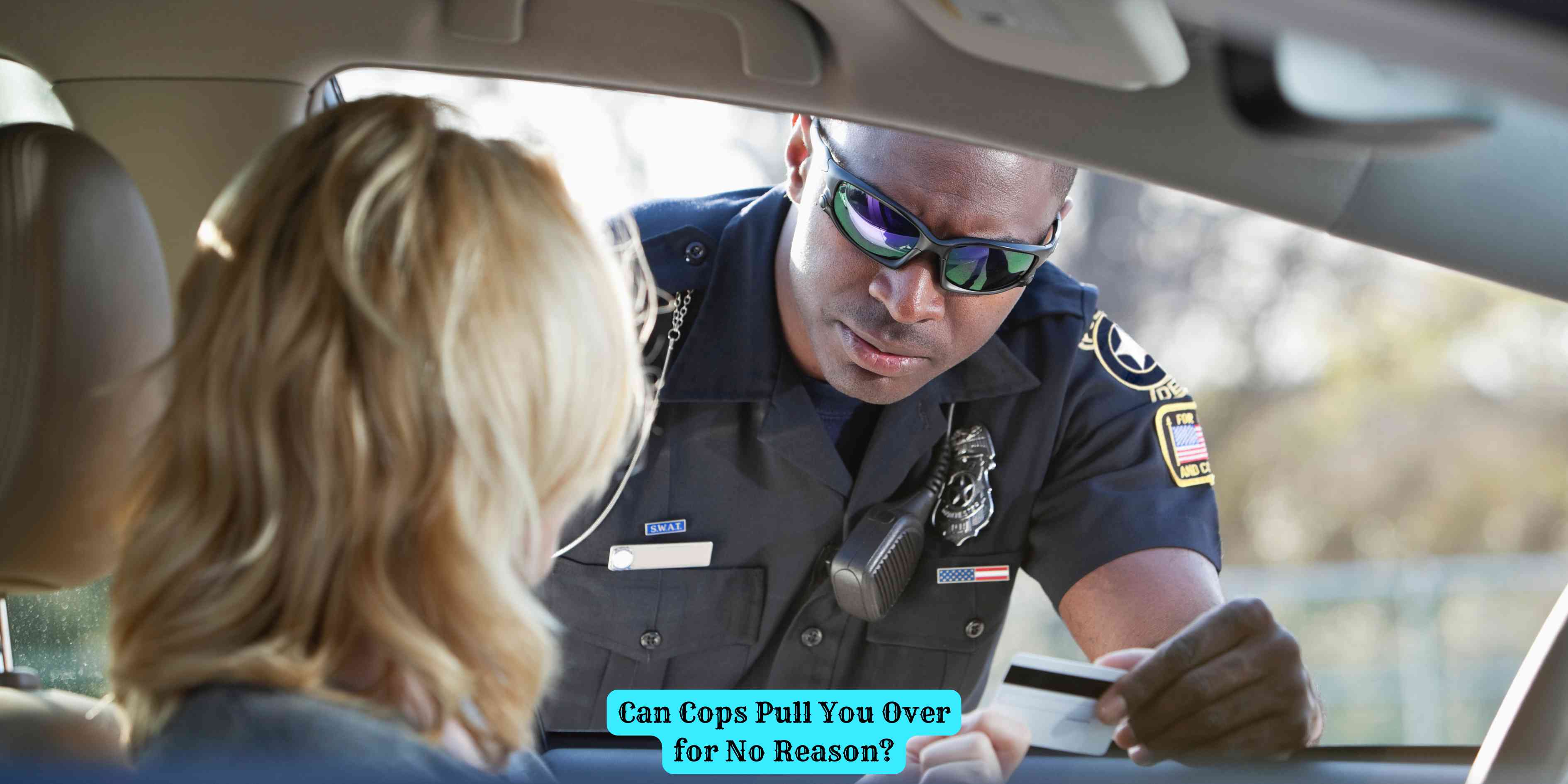
The Short Answer
No, cops generally cannot legally pull you over for no reason. A traffic stop is a seizure under the Fourth Amendment, so police usually need at least reasonable suspicion that a traffic law or other law has been violated. If an officer has probable cause to believe a traffic violation occurred, the stop is usually lawful under federal Fourth Amendment rules.
That said, a stop may feel like it happened for no reason because the officer noticed something the driver did not, such as expired tags, a broken light, speeding, unsafe lane movement, or a registration alert.
A police officer needs an objective legal reason for the stop, even if the driver does not know it yet.
Reasonable Suspicion vs. Probable Cause
Reasonable suspicion is a specific, fact-based reason to suspect a violation or crime. Probable cause is stronger and means there is a fair basis to believe a violation occurred.
Traffic stops often involve probable cause because an officer directly observes a traffic violation. They may also involve reasonable suspicion, such as facts suggesting impaired driving.
| Standard | Basic meaning | Example |
|---|---|---|
| Hunch | Not enough by itself | ”Something feels off” |
| Reasonable suspicion | Specific facts suggest a violation | Weaving across lanes |
| Probable cause | Fair basis to believe violation occurred | Running a red light |
What Whren v. United States Means
In Whren v. United States, the U.S. Supreme Court held that a temporary traffic stop based on probable cause of a traffic violation does not violate the Fourth Amendment even if the officer had another law enforcement motive.
This is why pretext stops can be legally complicated. If a real traffic violation occurred, the stop may be valid under the Fourth Amendment even if the officer was also interested in something else.
That does not mean discriminatory enforcement is lawful. It means Fourth Amendment analysis often focuses on objective justification.
Common Legal Reasons for a Stop
Police may stop a car for reasons such as:
- Speeding.
- Expired registration.
- Broken brake light.
- Illegal turn.
- Unsafe lane change.
- Running a stop sign.
- Suspicion of impaired driving.
- Stolen vehicle alert.
- Equipment violation.
State traffic laws vary, so the exact reason depends on local law.
What About Checkpoints?
Some stops happen at checkpoints, such as sobriety checkpoints or border-related checkpoints. These are governed by separate rules and may be allowed under certain conditions.
A checkpoint is different from an officer randomly choosing one car with no legal framework. Valid checkpoints usually have rules limiting officer discretion.
What Should You Do During a Stop?
Stay calm, pull over safely, keep your hands visible, and provide required documents such as license, registration, and proof of insurance. You can ask, “Officer, why was I stopped?”
If you believe the stop was illegal, the roadside is usually not the best place to argue. You can document the encounter, request the officer’s name or badge number, and challenge the stop later through court or a complaint process.
Quick question: can you refuse to answer questions?
You generally have the right to remain silent, but traffic stops often require providing license, registration, and insurance. State ID rules vary.
If the Stop Was Truly Without Cause
If an officer had no lawful basis, evidence found because of the stop may be challenged in court. A person may also file a complaint or speak with a civil rights attorney.
But proving “no reason” can be difficult if the officer identifies a traffic violation. Dashcam, bodycam, citation details, and witness evidence may matter.
If you receive a citation, read it carefully. The listed violation often explains the officer’s stated reason for the stop. If the explanation does not match what happened, write down your memory while it is fresh and save any video or GPS evidence.
A Practical Takeaway
Cops generally cannot pull you over for no reason. They need reasonable suspicion or probable cause tied to a traffic violation, equipment issue, crime, warrant, or another lawful basis.
If you are stopped, ask for the reason calmly, comply with basic safety instructions, preserve evidence if needed, and challenge the stop later through the proper process.