

Do Cops Run Your Plates When They Are Behind You?
Police can often run license plates manually or through automatic plate readers while driving behind a vehicle.
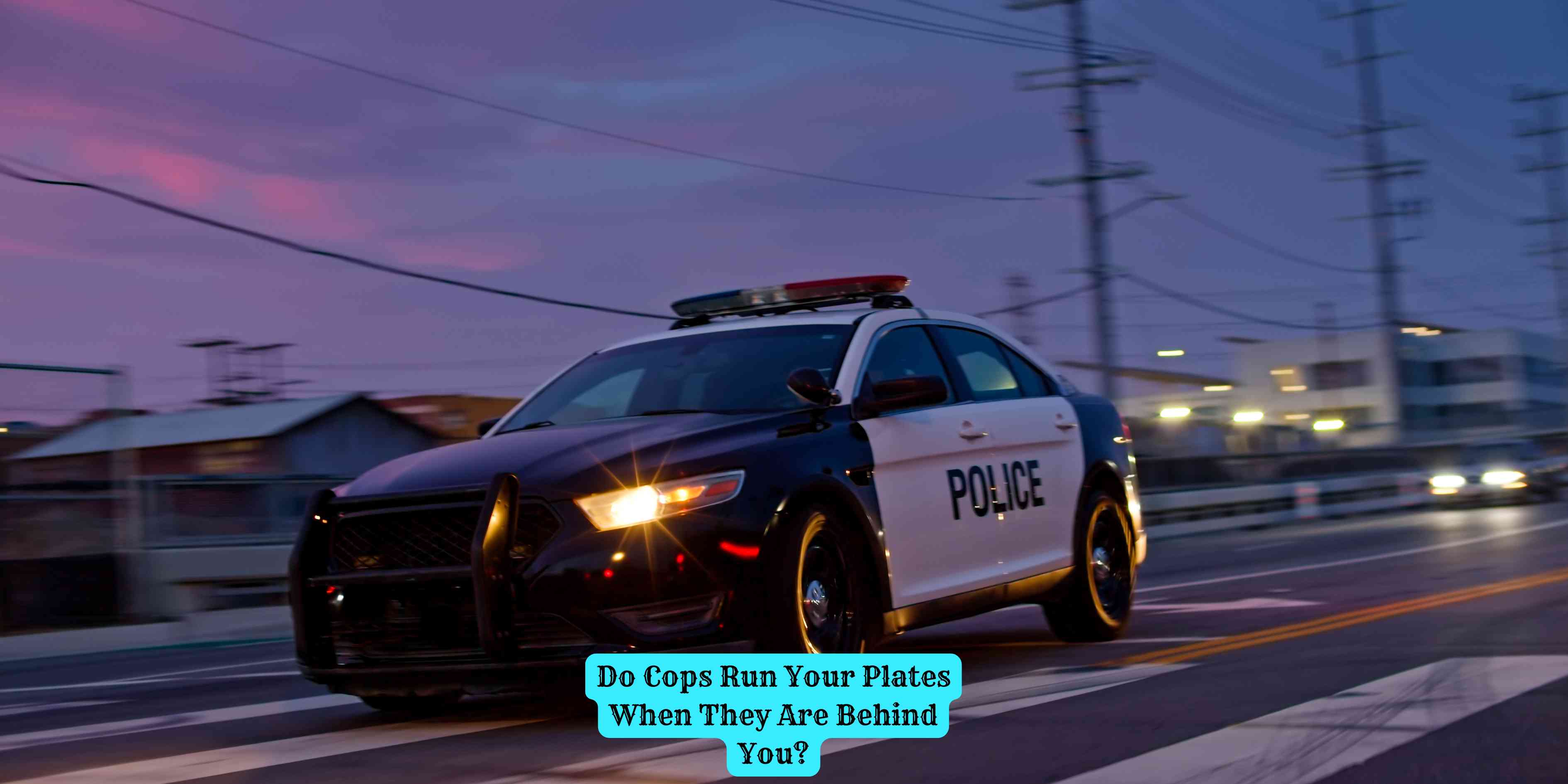
The Short Answer
Yes, cops may run your plates when they are behind you. Some officers manually enter plate numbers into a patrol-car computer. Others use automatic license plate readers, also called ALPRs, that scan plates and compare them with databases.
In many places, an officer does not need reasonable suspicion to look at or run a visible license plate because plates are displayed publicly. However, a traffic stop still needs a lawful reason, such as an expired registration alert, stolen vehicle hit, warrant connection, or observed traffic violation.
Running a plate is not the same thing as pulling someone over.
What Police May See
A plate check may show information connected to the vehicle, such as registration status, make, model, color, stolen vehicle reports, insurance information where available, and registered owner information.
Depending on the system, it may also alert officers to warrants, suspended licenses, missing persons, protection orders, or law enforcement bulletins connected to the registered owner.
The exact information depends on state databases and agency access.
Manual Plate Checks
An officer can manually type a license plate number into a computer system. This may happen at a red light, while following a car, while parked near traffic, or during patrol.
Manual checks are often used when something catches the officer’s attention, such as damaged tags, suspicious driving, a vehicle matching a description, or simply routine patrol.
The plate is visible in public, so courts have often treated this differently from searching private property.
Automatic License Plate Readers
Automatic license plate readers use cameras and software to scan plates quickly. The Brennan Center describes ALPR technology as a law-enforcement tool that reads plates and can compare them to databases.
ALPRs can be mounted on patrol cars, traffic poles, bridges, parking lots, or private locations that share data with law enforcement.
These systems raise privacy concerns because they can collect location information about many drivers who are not suspected of wrongdoing.
Can a Plate Hit Lead to a Stop?
Yes. If the plate check shows expired registration, a stolen vehicle report, a wanted person associated with the vehicle, or another legal issue, the officer may have a basis for a stop.
However, the officer still needs a lawful reason. A database error or outdated record may lead to a stop that later turns out to be mistaken. Mistakes can happen, but the legal question often asks whether the officer reasonably relied on the information available at the time.
Does a Plate Check Show the Driver?
A plate check identifies the vehicle and registered owner, not always the current driver. The registered owner may not be the person driving.
For example, if the registered owner’s license is suspended, an officer may investigate, but facts such as age, gender, appearance, or other information may matter if the driver clearly does not match the owner.
| Plate check can show | Plate check may not prove |
|---|---|
| Vehicle registration | Who is driving |
| Stolen vehicle status | Current guilt |
| Registered owner | Passenger identities |
| Alerts or flags | That all data is current |
Can You Stop Police From Running Your Plate?
Usually no, not while driving on public roads with a visible plate. License plates are required to be displayed so vehicles can be identified.
You can, however, challenge an unlawful stop, contest a citation, request records where permitted, or raise privacy concerns with local officials.
Privacy rules vary widely. Some states and cities limit how long automatic plate-reader data can be stored or who can access it. Others allow broader use. That means the same plate scan may be handled differently depending on where you drive.
Quick question: should you worry if a police car follows you briefly?
Not automatically. Officers may be patrolling, reading traffic, or checking plates. Keep driving lawfully and safely.
A Practical Takeaway
Cops can run your plates when they are behind you, either manually or with automated systems. A plate check alone does not mean you did anything wrong. It becomes more serious if the plate returns a violation, alert, or mismatch that gives the officer a lawful reason to stop the vehicle.
Keep registration, insurance, and license status current so a routine plate check is less likely to become a traffic stop.