

Can Cops Search Your Car Without a Warrant?
Police can sometimes search a car without a warrant, but they need consent, probable cause, or another recognized Fourth Amendment exception.
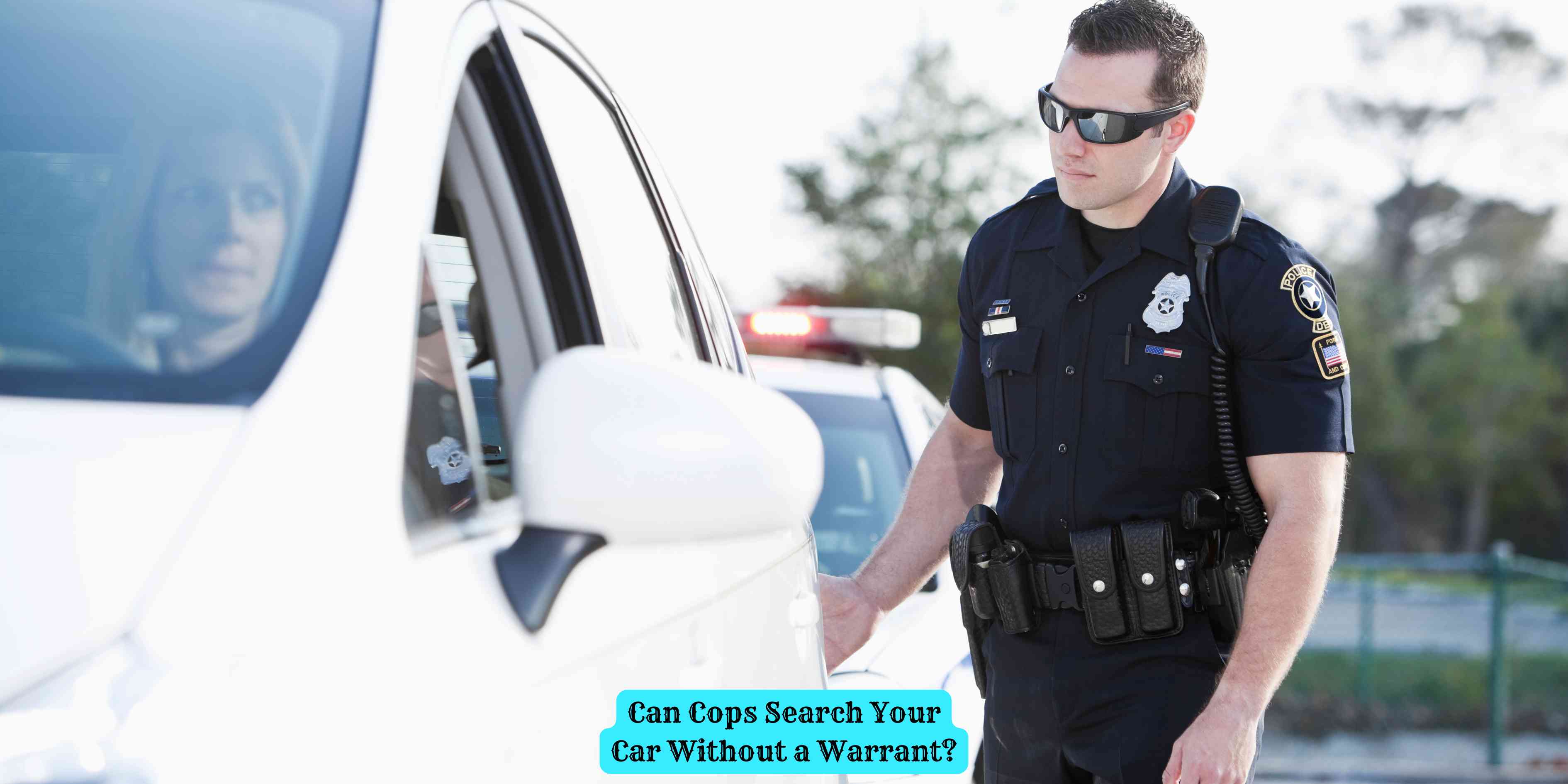
The Short Answer
Yes, cops can sometimes search your car without a warrant, but not just because they feel like it. A warrantless car search usually needs a recognized legal basis, such as consent, probable cause, plain view, search incident to lawful arrest, inventory search after impoundment, or another exception.
The Fourth Amendment protects against unreasonable searches and seizures. Cars receive somewhat different treatment than homes because they are mobile and heavily regulated, but police still need legal justification.
A traffic stop does not automatically give police permission to search your car.
Consent Searches
If an officer asks, “Can I search your car?” and you say yes, you may have given consent. U.S. Courts’ Fourth Amendment materials list consent as one situation where a warrantless search may be lawful.
You generally have the right to refuse consent. Refusing consent does not mean the officer will necessarily let you go if they have another legal basis, but your refusal may limit a consent-based search.
If you choose to refuse, say it clearly and calmly: “I do not consent to a search.”
Probable Cause and the Automobile Exception
Police may search a vehicle without a warrant if they have probable cause to believe it contains evidence, contraband, or items connected to a crime. This is often called the automobile exception.
Examples that may create probable cause include visible contraband, reliable information about illegal items in the car, or facts that strongly suggest evidence is inside.
Probable cause must be based on facts, not a vague hunch.
Plain View
If an officer lawfully stops you and sees illegal items in plain view, that may justify seizure or further search. For example, contraband openly visible on the seat may create probable cause.
Plain view does not mean officers can move things around first to create visibility. The officer must generally be lawfully present and the item must be obviously connected to unlawful activity.
Search Incident to Arrest
If someone is lawfully arrested, police may sometimes search areas connected to that arrest. Vehicle searches incident to arrest are limited by Supreme Court rules and depend on whether the arrestee can access the vehicle or whether evidence relevant to the arrest may be found inside.
This area is fact-specific. Being arrested does not always mean the entire car can be searched without limits.
Inventory Searches
If a vehicle is lawfully impounded, police may conduct an inventory search under standardized procedures. The stated purpose is usually to document property, protect valuables, and protect the agency from claims.
An inventory search should not be a disguised evidence hunt. If police fail to follow policy, the search may be challenged.
| Search basis | What it means |
|---|---|
| Consent | You agree to the search |
| Probable cause | Facts suggest evidence or contraband |
| Plain view | Illegal item is visible from lawful position |
| Incident to arrest | Limited arrest-related search |
| Inventory | Vehicle is lawfully impounded |
What About Dogs?
Police may use a drug-sniffing dog during a lawful traffic stop in some circumstances, but they generally cannot unlawfully prolong the stop just to wait for a dog without proper legal basis. The facts and jurisdiction matter.
If a dog alerts, police may argue that the alert created probable cause. Whether that holds up can depend on training records, timing, and circumstances.
What You Can Do
Stay calm. Provide required driving documents. Do not physically resist a search. If you do not consent, say so clearly. If the search happens anyway, remember details and challenge it later through court if you are charged.
Quick question: can police search a locked trunk?
If police have probable cause that evidence may be in the trunk, they may be able to search it under the automobile exception. If the probable cause is limited, the allowed search area may also be limited.
A Practical Takeaway
Cops can search your car without a warrant only in certain situations. Consent, probable cause, plain view, arrest-related rules, and inventory policies are the most common paths.
Do not assume every search is legal, and do not assume every warrantless search is illegal. The details matter, and state law can provide additional protections beyond federal rules.