

15 Signs of Childhood Emotional Neglect
Childhood emotional neglect leaves no visible marks — it is defined by what didn't happen rather than what did. These 15 signs in adult life often trace back to emotional needs that went unmet in childhood.
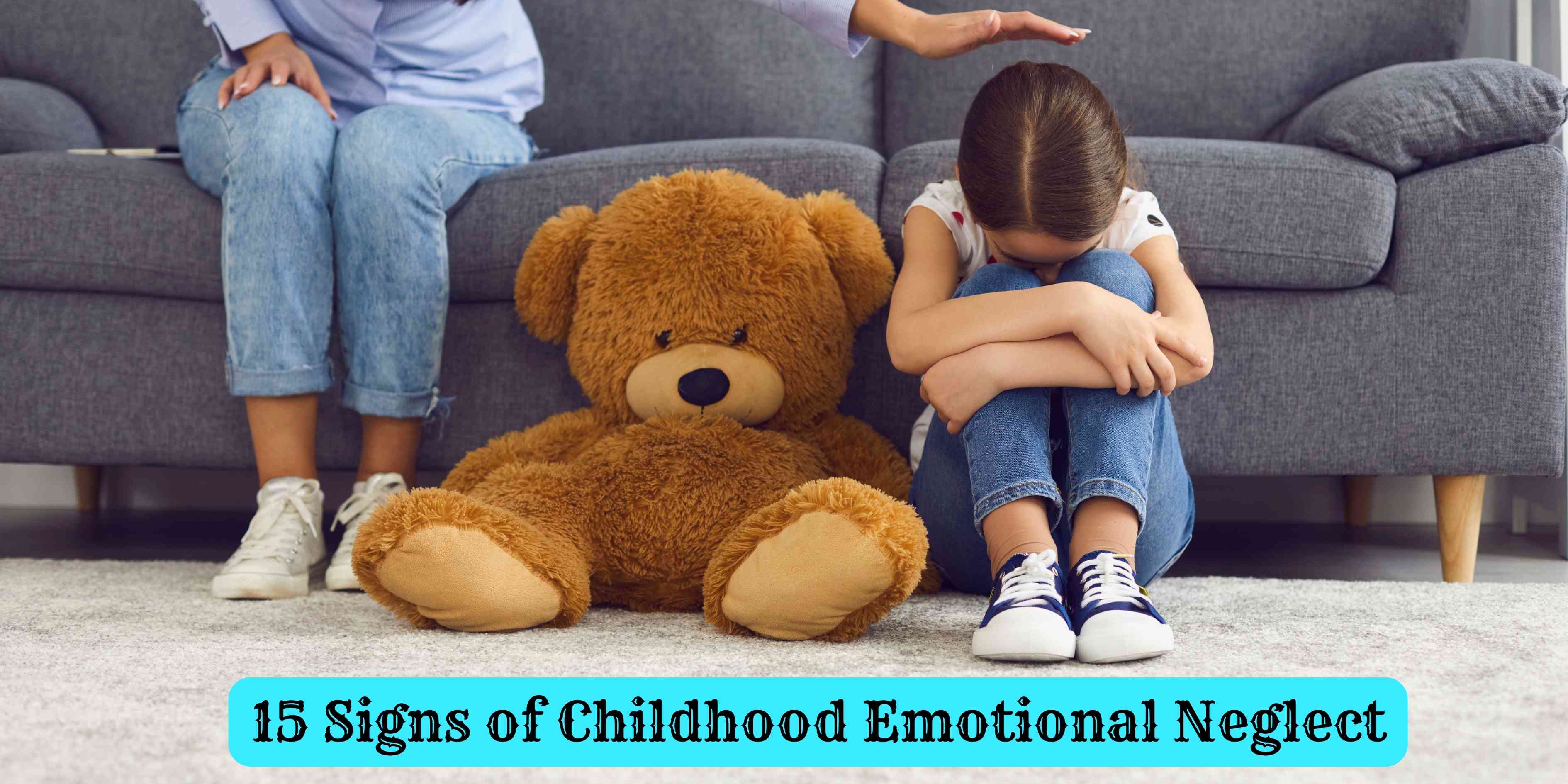
Childhood emotional neglect (CEN) is defined not by what happened to a child but by what didn’t happen: emotional attunement from parents, validation of feelings, interest in the child’s inner life, and teaching a child how to identify and express emotions. Because CEN is an absence rather than an event, many adults who experienced it don’t recognize it — their childhoods may have been materially adequate while being emotionally empty. The effects, however, are real and often persist into adulthood as a characteristic set of patterns.
What Childhood Emotional Neglect Is
CEN occurs when parents consistently fail to respond adequately to a child’s emotional needs. This does not require abuse, poverty, or dramatic events. Parents can be hardworking, well-meaning, and superficially loving while remaining consistently unavailable emotionally — dismissing the child’s feelings, not noticing when the child is struggling, or communicating implicitly that emotions are inconvenient, excessive, or unimportant.
The child learns, in response, to suppress and disconnect from their own emotional life — because expressing feelings produced no useful response, or produced negative reactions. This suppression becomes automatic, and the adult carries it forward without necessarily knowing why they feel the way they do or where the pattern came from.
Signs in Your Emotional Life
You feel empty or numb much of the time. The suppression of feeling that CEN requires in childhood becomes habitual. Many adults with CEN describe a background emotional flatness — not depression exactly, but an absence of vivid emotional experience that others seem to have access to more easily.
You struggle to identify what you’re feeling. The technical term for difficulty identifying emotions is alexithymia, and it is common in CEN. If you often find yourself aware that something is wrong but unable to name what it is, or if you recognize emotions more reliably in others than in yourself, this may reflect having never been taught to recognize and label your own emotional states.
You feel that your emotions are excessive or shameful. When emotions do break through, they can feel disproportionate or wrong — something to suppress or apologize for rather than experience normally. This reflects the childhood message that emotional expression is unwelcome.
Signs in Relationships
You struggle to ask for help. Asking for help requires believing that your needs are legitimate and that others might actually respond to them. CEN tends to undermine both. Many adults with CEN default to handling everything alone, not from genuine preference but from an internalized belief that needs are burdensome or that reaching out won’t produce a response.
You feel disconnected from people, even those you love. Emotional connection requires the capacity to share your inner life with others, which CEN makes difficult. Many adults with CEN describe feeling like they’re watching their relationships from a slight distance — present physically and even invested, but separated from the emotional intimacy they observe in others.
You attract or enable relationships with emotionally unavailable people. Emotional unavailability in others can feel familiar, even comfortable, to someone raised in it. The dynamics of CEN can repeat in adult relationships, not from intention but from the pull of what feels like the normal shape of connection.
Signs in How You See Yourself
You feel that you don’t matter. Not dramatically, not as a belief you would endorse — but as a background assumption operating beneath the surface. CEN communicates to children that their inner life, needs, and feelings are not worth much attention. That message can persist as a quiet self-diminishment in adulthood.
You minimize your own needs and put others first reflexively. Habitual self-minimization — placing everyone else’s needs ahead of your own, not just in specific situations but as a default mode — often reflects having learned early that your needs were not going to be met and therefore aren’t worth elevating.
You are harder on yourself than you would be on anyone else. The internal critic in CEN survivors is often severe. What would produce compassion when applied to a friend produces harsh judgment when applied to yourself — reflecting internalized standards that were never applied with any warmth or understanding.
Signs in Daily Life and Behavior
You find it difficult to experience enjoyment fully. Pleasure that is genuinely felt and integrated is an emotional experience. If you find that positive experiences feel muted, slide away quickly, or that you have difficulty being fully present in enjoyable situations, emotional suppression may be affecting your capacity to fully engage with your life.
You have difficulty knowing what you want. Identifying desires, preferences, and goals requires access to your own emotional responses as guides. When that access is limited, decisions about what you want become genuinely difficult — because the inner signal that normally orients you has been suppressed.
Moving Forward
The most important thing to understand about childhood emotional neglect is that recognizing it is not about blaming parents — most parents who create CEN were themselves emotionally neglected and were doing their best with what they had. Recognition is about understanding why you are the way you are, so that the patterns can be changed. CEN is addressable through therapy, particularly approaches that help develop emotional awareness and the capacity to identify, name, and trust feelings. Many adults who recognize CEN in themselves discover that what they had understood as fundamental personality traits — the numbness, the difficulty asking for help, the sense of not quite mattering — are learned adaptations that can be unlearned. That is a significant and genuinely hopeful thing to know.