

10 Dumb Reasons Kids Cry
Children's capacity for crisis is unlimited and their standards for what constitutes one are unpredictable. These ten reasons for crying are real, documented, and genuinely happened to someone.
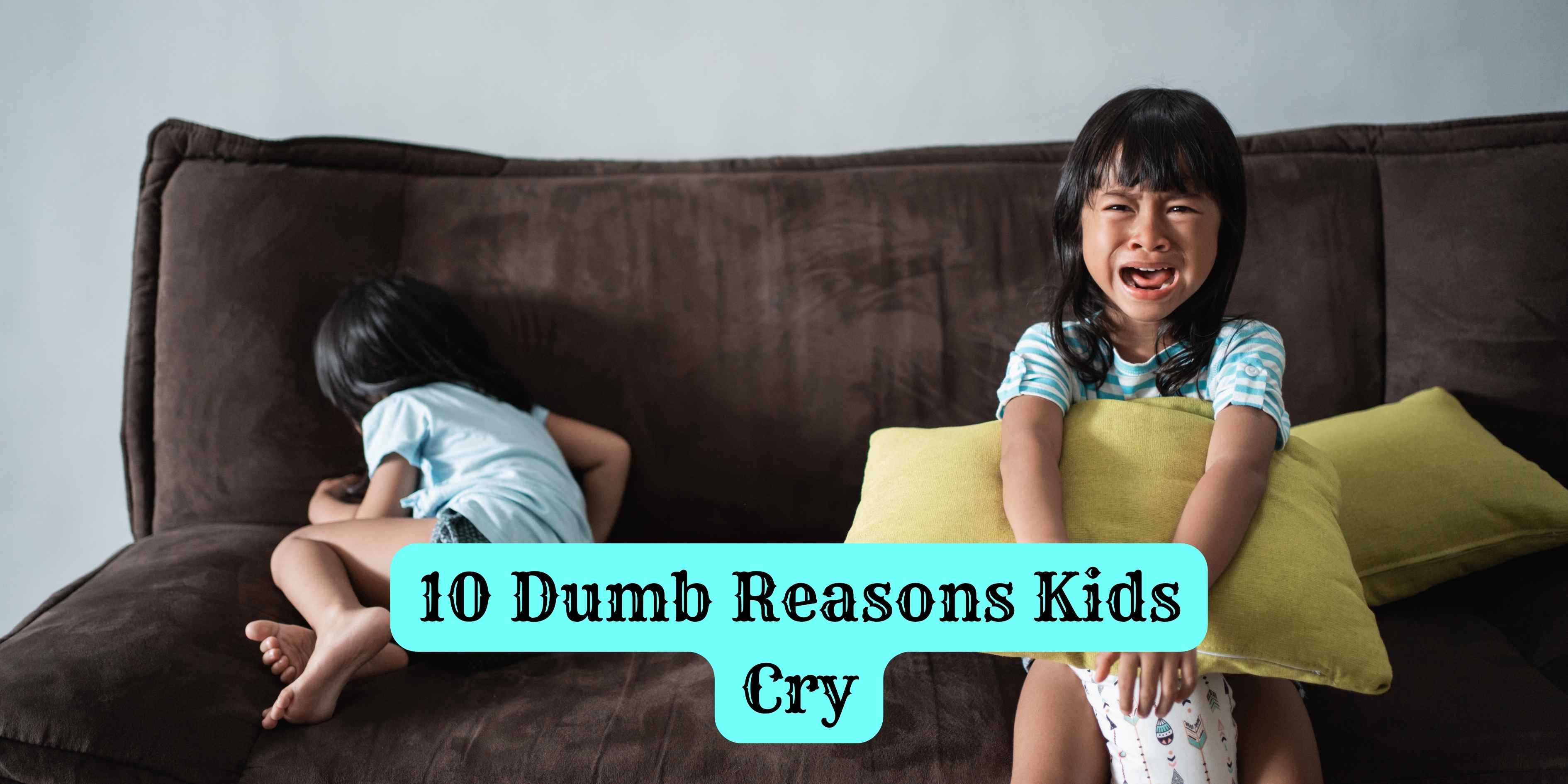
Young children cry for reasons that are, by adult standards, completely baffling — and the intensity of the crying bears no relationship whatsoever to the objective severity of the situation. This is developmentally appropriate: toddlers and young children have strong emotions and underdeveloped emotional regulation, which produces responses that are disproportionate by design.
These ten reasons are real, drawn from the rich archive of parental experiences with children who have collapsed into inconsolable grief over circumstances that are, to be fair, quite bad — if you’re two years old.
1. Their Banana Was Broken When They Asked for It Whole
The integrity of the banana is a matter of great significance in early childhood. A banana that has been peeled when the child wished to peel it themselves, broken when they wanted it whole, given whole when they wanted it broken, or simply has a visible brown spot near one end, represents a catastrophic failure that requires immediate, vocal response. Bananas are, according to the available evidence, extremely difficult to get right.
2. Someone Said “Good Morning” to Them
This is a known hazard of being a parent. The wrong word, at the wrong moment, during the child’s transition from sleep, constitutes provocation. “Good morning” said at the wrong time or in the wrong tone has produced crying in children across documented parental accounts. “Hi” has also triggered this response. “Nothing” — silence — has triggered this response. The morning period for many small children is best navigated without words, eye contact, or sudden movements.
3. Their Sock Has a “Weird Feeling”
The seam at the toe of a sock is, depending on the child, either fine or the source of a sensory experience so intolerable that forward progress is impossible until it is corrected. Children who feel the sock seam incorrectly positioned against their toes will communicate this through tears, refusal to walk, and the removal of the shoe and sock entirely at whatever location this discovery is made, including the parking lot of a grocery store at 8:47 on a Tuesday morning.
4. The Sun Is in Their Eyes
This is the sun’s fault. The sun should not be positioned where it is. The child did not authorize this arrangement. Whether the sun could reasonably be expected to have taken the child’s visual preferences into account is beside the point — the sun is in the wrong place, and someone must be told.
5. They Asked for Help and Received Help
Wanting to do something, asking for assistance, and then receiving that assistance — only to realize that what was actually wanted was to receive no assistance while complaining about not having assistance — is a logical structure unique to toddlers and represents one of the most challenging parental experiences available. The help was wrong not because it was performed incorrectly but because it was performed at all, when clearly the child did not actually want help, they wanted to be in a state of wanting help, which is different.
6. A Specific Television Episode Ended
The ending of a beloved episode is an abrupt and unjust severing of a connection that the child was not finished with. The fact that the episode will be available again immediately, or that the show will continue, is irrelevant — what is relevant is that it ended, and it was not supposed to end, and the people responsible for its ending have done something that requires a formal response.
7. Their Sibling Looked at Them
The gaze of a sibling can constitute an act of aggression, a provocation, an invasion of personal space, or simply an event too much to bear, depending on variables that are not visible to any adult in the room. “They looked at me” is a genuine complaint reported by children and received with genuine seriousness by the child reporting it, regardless of what the sibling was doing, thinking, or intending.
8. The Dog Walked Away
Dogs, who do not have the ability to understand the social contract they are apparently entering into when they lie near a child, sometimes get up and move. They may need water. They may have heard something. They may be following a scent. In all cases, their departure from the position where the child was appreciating them is experienced as abandonment and produces crying proportionate to abandonment, rather than proportionate to what actually happened, which is that a dog walked across a room.
9. Their Toast Was Cut Incorrectly
Toast geometry is a matter of deep personal preference and strong emotional investment. Toast cut into triangles when rectangles were the preference, or rectangles when triangles were expected, or not cut at all when cutting was required, or cut when the child specifically wished to eat it whole, represents a toast disaster that the child cannot simply move past. The correct shape was clear to the child. The fact that it was never communicated does not diminish the injustice of receiving the wrong shape.
10. They Do Not Know Why They Are Crying
The most philosophically interesting category of child crying is the crying that has no identifiable cause — not even to the child. “What’s wrong?” produces more crying. “Are you okay?” produces more crying. “Can you tell me what happened?” produces more crying. The crying is simply happening, with the intensity of something significant, for reasons that remain internal, unspoken, and possibly unknown even to their source. The only correct parental response is presence, patience, and the quiet acceptance that some things do not have explanations, and that’s fine, and eventually it passes.