

Why Am I Gaining Weight So Fast When I Barely Eat?
Fast weight gain can feel confusing, but it is often linked to fluid shifts, hormones, medication, stress, or eating patterns that are easy to miss.
The Short Answer
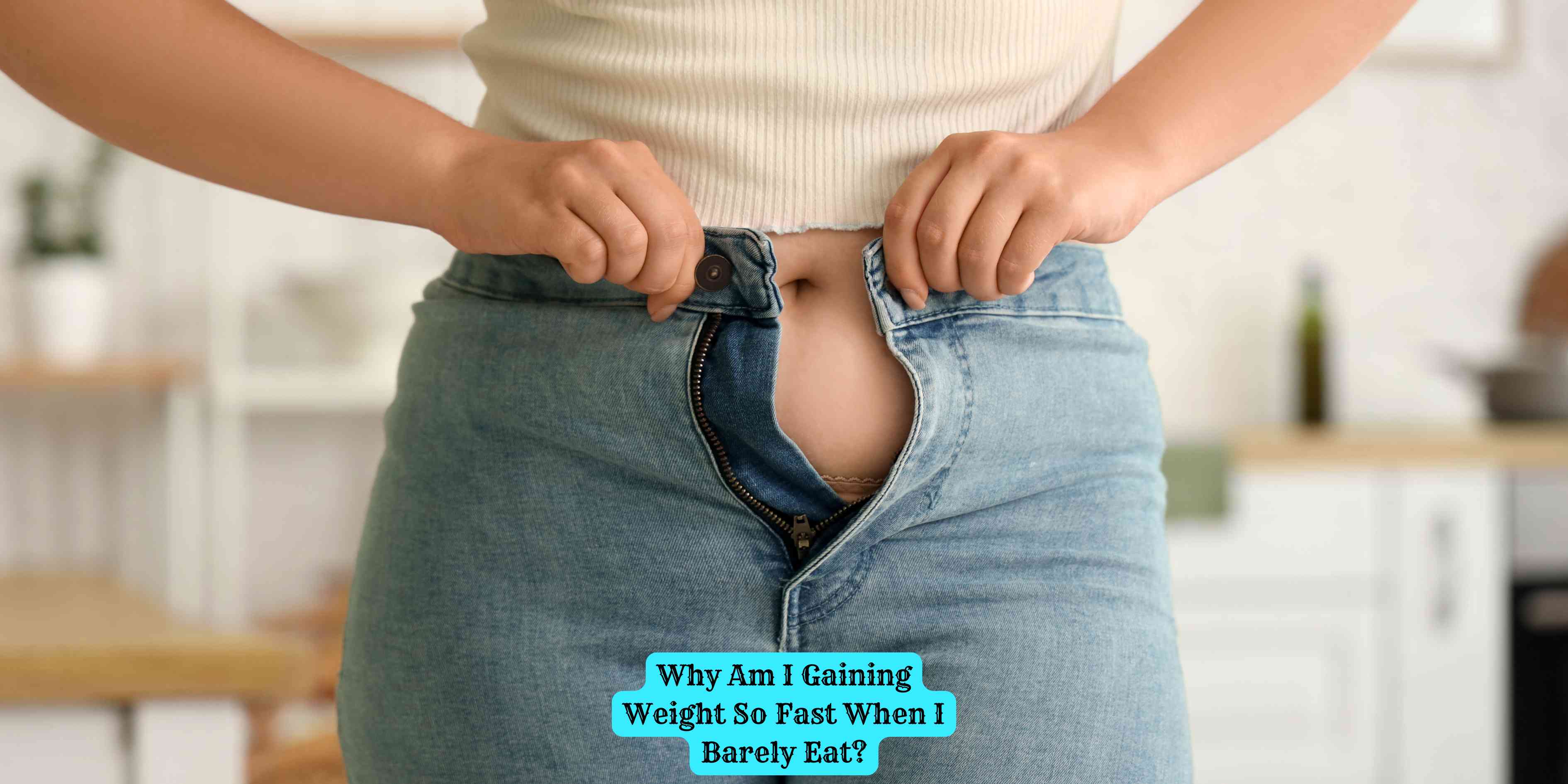
If you are asking, “Why am I gaining weight so fast when I barely eat?” the answer may involve more than body fat. Fast weight gain can come from water retention, constipation, hormonal changes, medication side effects, stress, poor sleep, reduced activity, or medical conditions that affect metabolism and fluid balance.
It is also possible to eat less often but still consume more energy than you realize through drinks, snacks, large evening meals, oils, sauces, or weekend eating patterns. That does not mean you are careless. It means weight is influenced by biology, habits, and context together.
Sudden weight gain is not always fat gain; sometimes it is fluid, digestion, hormones, or medication showing up on the scale.
Water Retention Can Change Weight Quickly
Body fat usually does not increase by several pounds overnight. Water weight can. Your body may hold extra fluid after salty meals, menstrual cycle changes, long travel, intense exercise, poor sleep, alcohol, certain medications, or high stress.
Water retention can make your face, hands, abdomen, legs, or feet feel puffy. Your weight may rise quickly and then drop again when your body releases fluid.
However, rapid swelling is worth taking seriously. MedlinePlus notes that rapid weight gain can sometimes signal dangerous fluid retention, especially when linked to heart, kidney, pregnancy-related, or medication issues.
Hormones and Metabolism May Be Involved
Hormones help regulate appetite, energy use, fluid balance, menstrual cycles, and fat storage. When hormones shift, weight may change even if your eating feels the same.
Possible hormone-related contributors include:
- Hypothyroidism, when the thyroid is underactive.
- Polycystic ovary syndrome, often called PCOS.
- Menopause or perimenopause.
- Pregnancy.
- Cushing syndrome, which involves excess cortisol.
- Menstrual cycle-related fluid changes.
These conditions do not affect everyone the same way. Some cause gradual gain, while others may make weight feel unusually hard to manage.
Medications Can Cause Weight Gain
Some medicines can increase appetite, change fluid balance, slow metabolism, or affect how the body stores energy. Common examples include certain antidepressants, corticosteroids, insulin or diabetes medicines, some blood pressure medicines, hormonal treatments, and some psychiatric medications.
Do not stop a prescribed medication suddenly because of weight gain. Instead, document the timeline. Ask when the weight gain began, whether the dose changed, and whether other symptoms appeared.
| Possible clue | What it may suggest |
|---|---|
| Weight gain began after a new medicine | Medication side effect |
| Swelling in ankles or hands | Fluid retention |
| Fatigue and cold sensitivity | Possible thyroid issue |
| Irregular periods and acne | Possible hormone imbalance |
”Barely Eating” Can Still Mean Irregular Fueling
Some people truly are eating very little. Others are eating in a pattern that feels like barely eating because meals are skipped during the day, then hunger builds later. This can lead to larger portions, more calorie-dense foods, or frequent small bites that do not register as meals.
Calories can hide in:
- Sweetened coffee drinks.
- Juice, soda, sports drinks, or alcohol.
- Cooking oil, butter, creamy sauces, and dressings.
- Nuts, chips, pastries, and takeout portions.
- Late-night snacks after under-eating all day.
This is not about blame. It is about measurement. If you are worried, a short food and symptom log can reveal patterns more clearly than memory.
Stress and Sleep Can Shift Appetite and Weight
Stress and poor sleep can affect hunger hormones, cravings, water retention, digestion, and energy levels. When you are tired, you may move less without noticing. You may also reach for quick energy foods or eat later in the evening.
Stress can also increase cortisol, which may contribute to abdominal weight gain in some people. Even when food intake does not change dramatically, stress can make the body feel more inflamed, puffy, and difficult to regulate.
Better sleep will not solve every case of unexplained weight gain, but it is one of the first foundations to check.
Digestive Changes Can Affect the Scale
Constipation, bloating, and slower digestion can make weight rise temporarily. If food and waste are moving more slowly through the digestive tract, the scale may show an increase even when body fat has not changed much.
Common causes include low fiber intake, low fluid intake, reduced activity, changes in routine, some medications, and stress. If constipation is severe, painful, or persistent, it is worth discussing with a clinician.
When to Seek Medical Advice
Consider medical advice if weight gain is sudden, unexplained, persistent, or paired with symptoms such as swelling, shortness of breath, chest discomfort, extreme fatigue, irregular periods, unusual hair changes, severe constipation, increased thirst, frequent urination, or new pain.
Quick question: should you diet harder if you are gaining weight while barely eating?
Not automatically. If the cause is fluid retention, hormones, medication, or a medical condition, eating less may not fix the problem and may make you feel worse.
What to Track Before an Appointment
Track your weight at the same time of day, symptoms, sleep, stress, menstrual cycle timing, medications, major meals, sodium-heavy foods, and changes in activity. Bring the pattern to a healthcare professional.
Fast weight gain can be frustrating, especially when you feel like you are barely eating. The most helpful next step is not panic or self-blame. It is careful observation, basic habit checks, and medical support when the change is sudden or hard to explain.