

50 Reasons Why I Can't Sleep
Most sleep problems have an identifiable cause. The hard part is knowing where to look — because the cause and the symptom rarely appear in the same place.
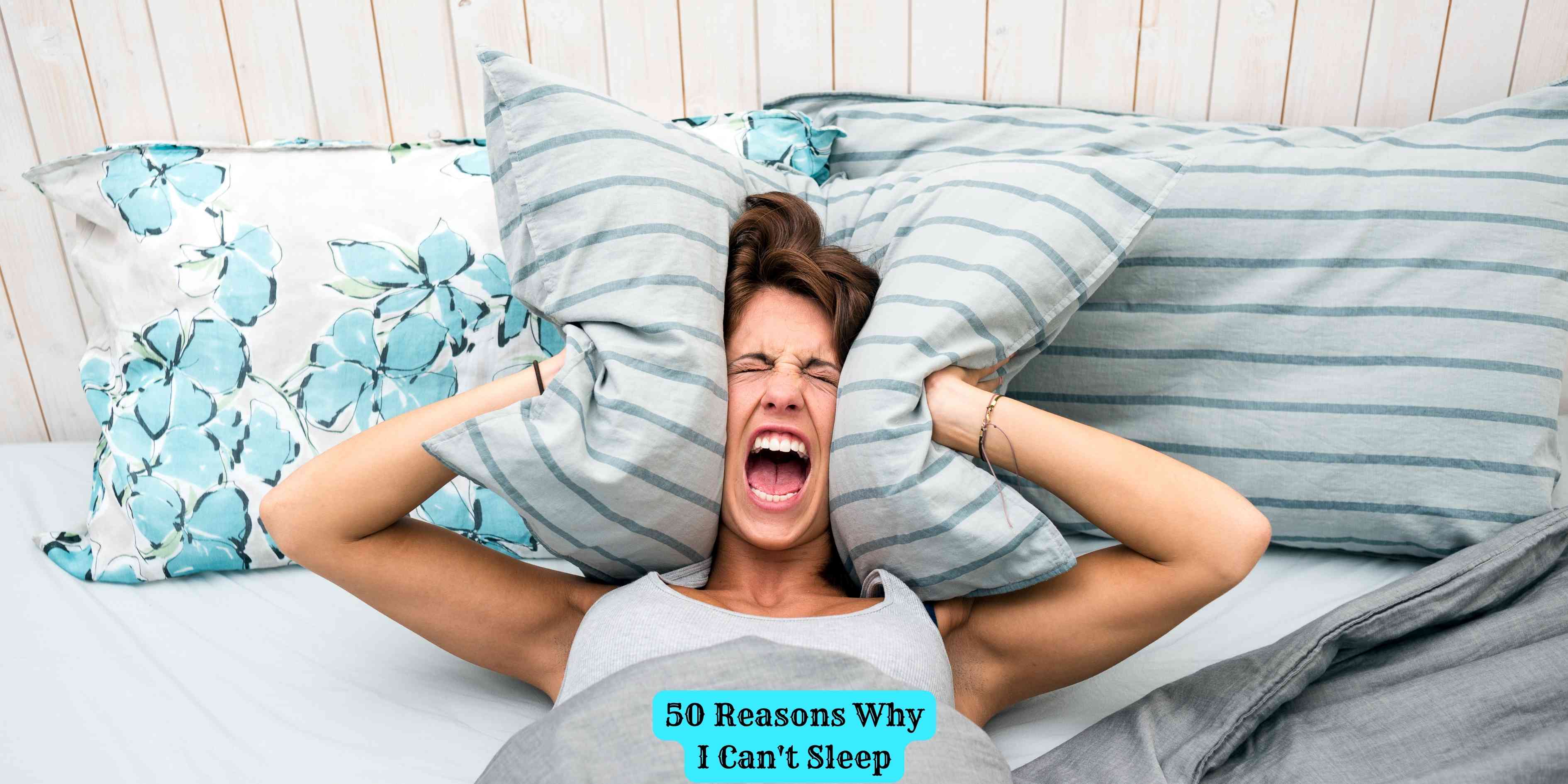
Sleep problems almost always have a cause — but the cause is often not what it appears to be. Someone who cannot fall asleep may have a screen exposure problem, a caffeine timing problem, an anxiety problem, or a medical condition. Someone who wakes in the night may have sleep apnea, blood sugar instability, or a noise environment issue. Finding the right fix requires identifying the right category of cause, and this list is organized to help with exactly that.
The most common sleep problem in people under 40 is not a medical condition — it is a behavioral and environmental pattern that can be changed. The most commonly overlooked sleep problem in people over 50 is a medical one that goes undiagnosed for years.
Mental and Emotional Causes
- Chronic stress with no effective outlet or management strategy
- Anxiety that activates at night when distractions are removed
- Rumination — replaying conversations, decisions, or worries in a mental loop
- Depression, which disrupts the normal architecture of sleep cycles
- Anticipatory anxiety about the next day — work, a difficult conversation, a medical appointment
- Grief or loss that surfaces most intensely at night
- Post-traumatic stress that produces hyperarousal or nightmares
- Unresolved anger that keeps the nervous system in an activated state
- Perfectionism about sleep itself — worrying so much about not sleeping that it prevents sleep
- Life transition stress — new job, relationship change, relocation
Behavioral and Lifestyle Causes
- Caffeine consumed in the afternoon or evening — it has a half-life of 5–6 hours
- Alcohol, which helps with falling asleep but severely disrupts sleep quality and depth
- Irregular sleep schedule — different bedtimes and wake times confuse the body’s internal clock
- Sleeping in on weekends, which creates a form of social jet lag
- Exercising intensely within 2–3 hours of bedtime — elevates cortisol and body temperature
- Large meals close to bedtime — digestion and sleep compete
- Napping too late in the day or for too long
- Spending too much time in bed while awake — weakens the mental association of bed with sleep
- Watching television or scrolling in bed until the moment of attempted sleep
- Working from bed or doing mentally stimulating activities in the bedroom
Technology and Screen Exposure
- Blue light from phone screens suppresses melatonin production
- Late-night scrolling that stimulates the brain’s reward pathways and delays sleep onset
- Social media producing anxiety, comparison, or emotional activation before bed
- Engaging content — shows, news, games — that is too stimulating to wind down from easily
- Notifications arriving after you have tried to sleep
- Bright overhead lighting in the evening, which signals daytime to the brain’s light-sensitive circuitry
Environmental Causes
- A room that is too warm — the body needs to cool slightly to initiate sleep
- A room that is too bright — even small light sources can suppress melatonin
- Noise from traffic, neighbors, or a snoring partner
- A mattress or pillow that does not support your sleep position
- A bedroom that is used for too many waking activities and does not feel associated with sleep
- Seasonal changes in light — early sunrise in summer can cause early waking
- Altitude change — people often sleep poorly in their first few nights at high altitude
Medical Causes
- Sleep apnea — breathing interruptions that prevent deep sleep without the person knowing it is happening
- Restless leg syndrome — uncomfortable sensations in the legs that worsen at night
- Periodic limb movement disorder — involuntary leg movements during sleep that cause brief awakenings
- Gastroesophageal reflux (GERD) — acid reflux that worsens when lying down
- Chronic pain from arthritis, injury, or other conditions that makes sustained sleep difficult
- Thyroid disorders — both hyperthyroidism and hypothyroidism can affect sleep quality
- Hormonal changes — perimenopause and menopause commonly cause night sweats and insomnia
- Nocturia — frequent nighttime urination from an enlarged prostate, bladder issues, or fluid timing
- Neurological conditions that alter the normal architecture of sleep cycles
- Vitamin D deficiency, which is associated with sleep disorders in multiple studies
- Iron deficiency, which is linked to restless leg syndrome and poor sleep quality
Medication and Substance Causes
- Certain antidepressants, particularly SSRIs taken at night, can disrupt sleep in some people
- Beta-blockers, which reduce melatonin production
- Decongestants and some cold medications that have stimulant properties
- Steroids, which can produce insomnia as a side effect
- Nicotine, which is a stimulant and disrupts sleep in regular users
- Diuretics taken in the evening, which increase nighttime trips to the bathroom
If your sleep problems are persistent — longer than a month, significantly affecting daily functioning, or accompanied by loud snoring, gasping, or excessive daytime sleepiness — a sleep study and medical consultation are warranted. Many treatable conditions go undiagnosed for years because people assume poor sleep is just a personal failing rather than a diagnosable problem.