

20 Reasons Why You Feel So Tired
Tiredness that doesn't improve with sleep has causes. These 20 reasons cover the full range — from the obvious to the surprisingly common ones your doctor might actually want to know about.
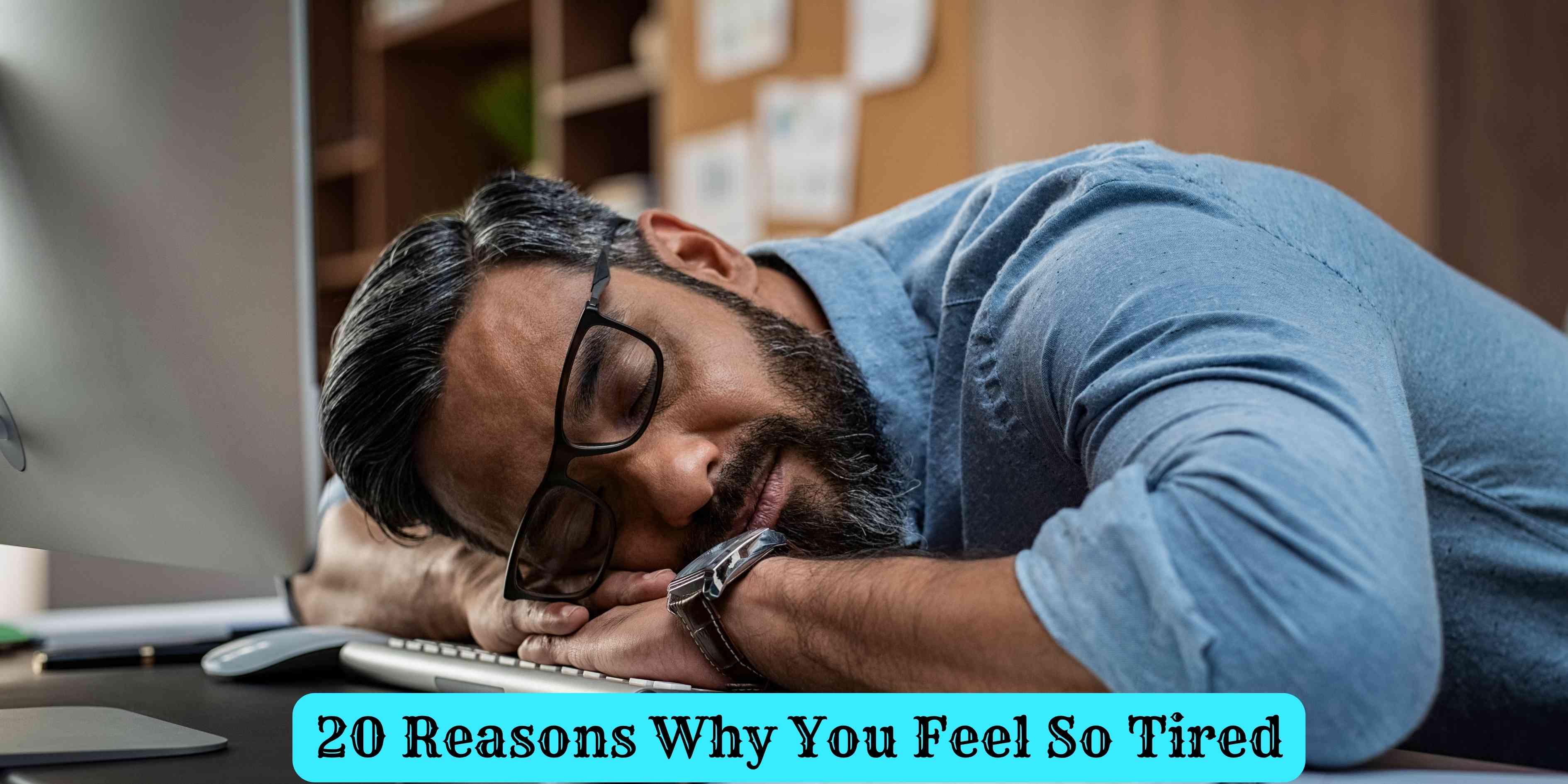
Feeling tired is so common that it is often dismissed as normal — but persistent, unrelenting fatigue that does not improve with adequate rest is not something to normalize. It is a symptom, and symptoms have causes. These 20 reasons cover the most common causes of chronic fatigue, from the behavioral and lifestyle factors that are immediately actionable to the medical conditions that require diagnosis and treatment.
Sleep-Related Causes
The most obvious category — but not always the most obvious in practice.
-
You are not sleeping enough. The most straightforward explanation: adults need 7-9 hours of sleep per night, and a significant proportion of adults chronically get less than 7. Sleep debt accumulates and cannot be fully repaid by sleeping in on weekends. If you are consistently sleeping fewer than 7 hours, the solution is straightforward — more sleep.
-
Your sleep quality is poor even if the duration is adequate. Eight hours of fragmented, light, or interrupted sleep is not equivalent to eight hours of restorative sleep. Sleep quality matters as much as sleep duration. Factors that degrade sleep quality include alcohol (which disrupts sleep architecture), screens before bed (which suppress melatonin production), a sleep environment that is too warm, and stress that keeps the brain active during what should be restoration.
-
You have undiagnosed sleep apnea. Sleep apnea — a condition in which breathing repeatedly stops and restarts during sleep — is one of the most commonly undiagnosed causes of daytime fatigue. People with sleep apnea do not always know they have it (because they are asleep when the breathing disruptions occur) but wake feeling unrefreshed, experience excessive daytime sleepiness, and often snore. Obesity, thick neck circumference, and certain anatomical features increase risk. Diagnosis requires a sleep study.
-
You have irregular sleep patterns. Inconsistent sleep and wake times — sleeping significantly later on weekends than on weekdays, rotating shift work, or variable bedtimes — disrupts the circadian rhythm and produces fatigue even when total sleep hours are adequate. Consistent sleep and wake times (within an hour, even on weekends) significantly improve sleep quality.
-
Your sleep environment is not conducive to rest. A sleep environment that is too bright, too warm, too noisy, or psychologically associated with wakefulness (because you work or watch screens in bed) reduces sleep quality. The bedroom should be cool, dark, and quiet, and used primarily for sleep.
Nutritional and Physical Health Causes
-
Iron-deficiency anemia. Iron deficiency reduces the body’s ability to produce hemoglobin, which carries oxygen in the blood. Fatigue — often profound, disproportionate-feeling tiredness — is the most prominent symptom of iron-deficiency anemia. It is particularly common in women of reproductive age and in people who do not consume enough dietary iron. A simple blood test identifies it; treatment (dietary change or supplementation) resolves the fatigue.
-
Thyroid dysfunction. An underactive thyroid (hypothyroidism) produces fatigue, along with weight gain, cold intolerance, dry skin, and low mood. The thyroid regulates metabolic rate, and when it is underproducing thyroid hormone, every cellular process slows down — including energy production. Hypothyroidism is common, often overlooked, and diagnosable with a blood test that includes TSH levels.
-
Vitamin D deficiency. Vitamin D deficiency is one of the most prevalent nutritional deficiencies worldwide, particularly in northern latitudes with limited sun exposure. Fatigue, low mood, muscle weakness, and bone pain are among its symptoms. Supplementation with vitamin D3 after confirmed deficiency resolves these symptoms for most people.
-
Vitamin B12 deficiency. B12 is essential for red blood cell production and neurological function. Deficiency produces fatigue, weakness, neurological symptoms, and low mood. It is particularly common in vegans and vegetarians (as B12 is found almost exclusively in animal products), in older adults, and in people with certain gut conditions that impair B12 absorption.
-
Dehydration. Even mild dehydration — being as little as 1-2% below optimal hydration — produces measurable reductions in cognitive function, mood, and energy levels. Many people who feel tired through the afternoon are mildly dehydrated. The solution is simple: drink more water, consistently, throughout the day.
-
Blood sugar dysregulation. Eating high-sugar, high-refined-carbohydrate meals produces rapid spikes in blood sugar followed by crashes that cause fatigue, difficulty concentrating, and the urge to eat again quickly. People who eat patterns heavy in refined carbohydrates and light in protein and fiber experience this blood sugar roller coaster repeatedly across the day. Eating meals centered on protein, healthy fats, fiber, and complex carbohydrates produces more stable energy.
-
Physical inactivity. It seems counterintuitive, but a sedentary lifestyle produces fatigue. Regular physical exercise consistently improves energy levels across the day, mood, and sleep quality. The fatigued feeling of being sedentary is partly physiological — the body that does no physical work becomes less efficient at producing and managing energy. Starting exercise when already fatigued is difficult; the improvement in energy once the habit is established is substantial.
Mental and Emotional Health Causes
-
Depression. Fatigue is one of the most prominent and most often overlooked symptoms of depression. The association between depression and sadness is well-known; the association with profound, heavy, disproportionate tiredness is less recognized. People with depression often describe feeling exhausted regardless of how much they sleep. Depression responds to treatment — therapy, medication, or both — and fatigue typically improves as depression is addressed.
-
Anxiety and chronic stress. Sustained anxiety and chronic stress maintain the body in a state of physiological activation — the stress response involves elevated cortisol and adrenaline, which are metabolically costly. Being chronically stressed, worried, or anxious is physiologically exhausting in the same way that physical exertion is exhausting. The body cannot sustain high-alert activation indefinitely without fatigue.
-
Burnout. Burnout — the specific exhaustion that follows sustained overwork, caregiving stress, or emotional depletion — is a recognized state of physical and emotional exhaustion that does not resolve with ordinary rest. It requires genuine recovery: reducing demands, sleep, restoration, and often professional support.
-
Emotional labor and invisible mental load. The cognitive and emotional work of managing a household, relationships, caregiving responsibilities, and the constant mental tracking of others’ needs is genuinely exhausting even when it is not counted as “work.” People who carry disproportionate invisible mental load — disproportionately women — often feel inexplicably tired in ways that are entirely proportionate to what they are actually managing.
Medical Conditions
-
Diabetes or pre-diabetes. Fatigue is a common and early symptom of type 2 diabetes — produced by insulin resistance and the impaired ability to convert glucose to cellular energy. Many people with diabetes do not know they have it; fatigue is sometimes the presenting complaint that leads to diagnosis. Blood glucose testing is part of routine health screening.
-
Autoimmune conditions. Conditions including lupus, multiple sclerosis, celiac disease, and rheumatoid arthritis — among others — produce fatigue as a primary symptom through inflammation and the body’s immune response. Unexplained, persistent fatigue that is accompanied by other symptoms (joint pain, digestive problems, rash, recurrent illness) warrants medical evaluation to rule out autoimmune conditions.
-
Chronic infections or post-viral fatigue. Some infections leave a legacy of fatigue that persists for weeks or months after the acute illness resolves. Post-COVID fatigue, post-Epstein-Barr syndrome, and similar post-viral states are recognized medical phenomena involving genuine physiological disruption rather than simply the person not recovering quickly enough.
The Hidden and Overlooked
- Medication side effects that you’ve normalized. Many common medications — antihistamines, blood pressure medications, antidepressants, statins, and others — list fatigue as a side effect. People who have been on the same medications for months or years often forget to consider them as a possible cause of ongoing tiredness. If fatigue began or worsened after starting a medication, this connection is worth discussing with a prescribing physician.
If your fatigue is persistent, disproportionate to your sleep and activity levels, or accompanied by other symptoms, a medical evaluation — including basic bloodwork — is the appropriate next step. Most of the causes above are diagnosable and treatable.