

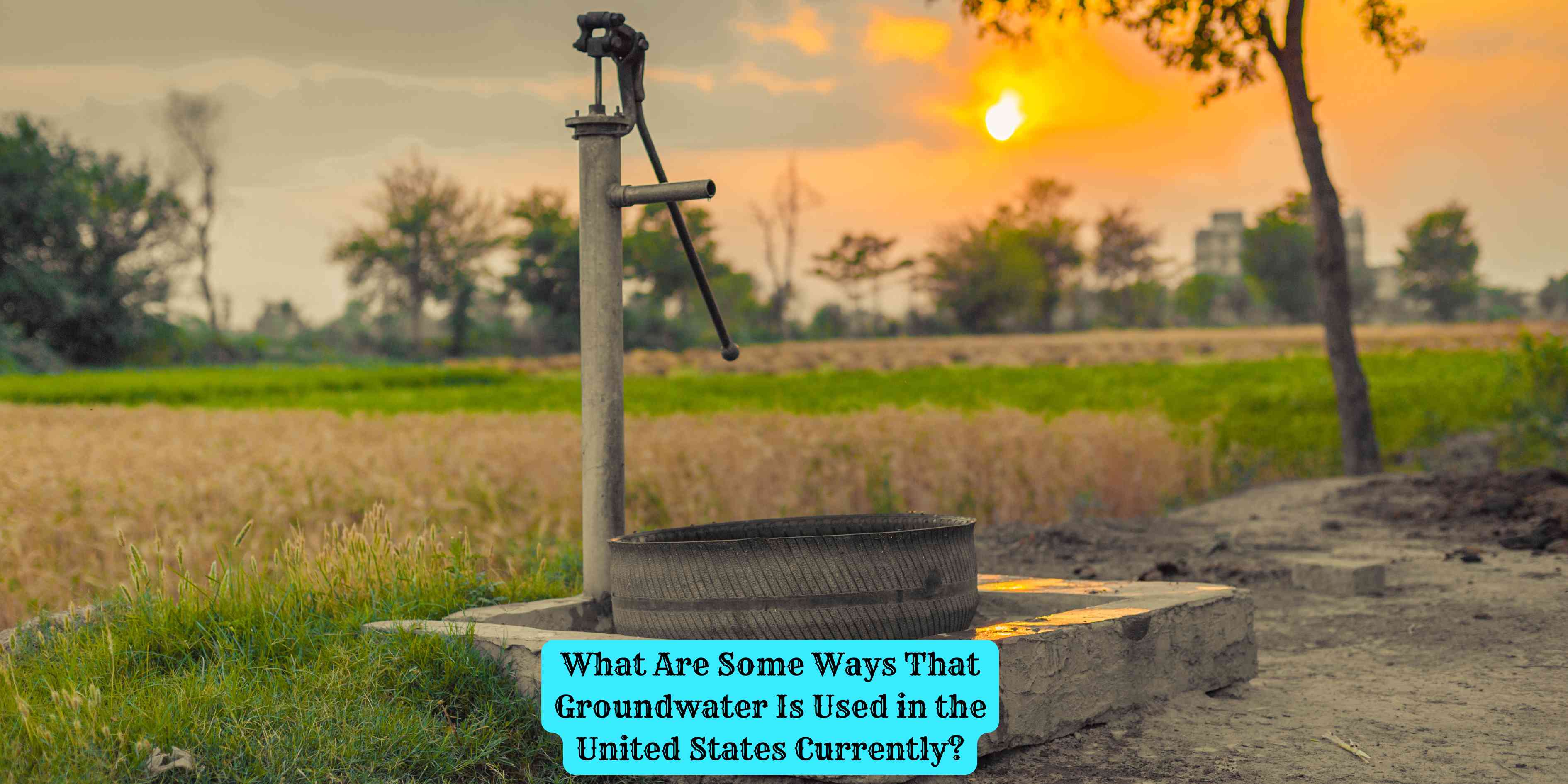
What Are Some Ways That Groundwater Is Used in the United States Currently?
Groundwater is a major water source in the United States, supporting farms, homes, cities, industries, and rural communities.
The Short Answer
Groundwater is currently used in the United States for crop irrigation, public drinking water supplies, private domestic wells, livestock, industry, mining, thermoelectric power, and some commercial uses. According to the U.S. Geological Survey, irrigation is the largest use of fresh groundwater nationally, while public supply is another major use.
Groundwater is water stored underground in aquifers, cracks, pores, and spaces in soil and rock. Many Americans rely on groundwater every day even when they never see the well, pump, or aquifer that provides it.
Irrigation for Agriculture
The largest use of fresh groundwater in the United States is irrigation. Farmers pump groundwater to grow crops when rainfall is not enough or when surface water is unavailable. This is especially important in dry regions and in areas where agriculture depends on reliable water during the growing season.
Groundwater supports crops such as corn, cotton, wheat, vegetables, fruits, nuts, and hay. In some places, it allows farming in regions that would otherwise be too dry for large-scale production.
However, heavy irrigation can lower aquifer levels if withdrawals exceed recharge. This is called groundwater depletion, and it can raise pumping costs, dry wells, reduce streamflow, and cause land subsidence in some areas.
Public Drinking Water Supply
Public water systems also use groundwater. A city, town, or utility may pump groundwater, treat it, and distribute it to homes, schools, businesses, hospitals, and public buildings.
Groundwater can be a dependable drinking water source because aquifers store water underground and may be less exposed to immediate surface contamination than rivers or lakes. But groundwater still needs monitoring and protection.
Contaminants such as nitrates, industrial chemicals, saltwater intrusion, fuel leaks, or naturally occurring minerals can affect water quality. Public supply systems test and treat water to meet drinking water standards.
Private Domestic Wells
Many rural households use private wells instead of public water systems. These wells draw groundwater directly for drinking, cooking, bathing, laundry, toilets, gardening, and household cleaning.
Private wells are important because public water lines do not reach every community. A family may depend entirely on a well for daily life.
Unlike public systems, private well owners are usually responsible for testing and maintaining their own wells. That makes education important. Well users should know how to test for common contaminants, protect the wellhead, and respond to changes in taste, odor, or water level.
Livestock and Farming Operations
Groundwater is also used for livestock. Farms and ranches may pump water for cattle, poultry, pigs, sheep, goats, horses, and other animals. Water is needed for drinking, cleaning, cooling, and some feed or dairy operations.
Livestock water demand varies by animal type, temperature, feed, and production system. During drought, groundwater can become especially important because ponds, streams, or surface reservoirs may decline.
Good groundwater management helps protect both animal welfare and farm stability.
Industry and Manufacturing
Industries use groundwater for processing, cooling, washing, product manufacturing, and facility operations. Food processing, paper production, chemical manufacturing, metal fabrication, and other industries may rely on groundwater depending on location and water availability.
Industrial groundwater use must be managed carefully because contamination can spread underground and become difficult to clean. Once an aquifer is polluted, restoration can take years or decades.
This is why permits, monitoring wells, spill prevention, and waste handling practices matter.
Mining and Energy Uses
Groundwater is used in mining for mineral processing, dust control, drilling, and other operations. Saline groundwater may be used in some mining contexts, while fresh groundwater is more valuable for drinking and agriculture.
Energy production can also involve groundwater. Thermoelectric power plants may use water for cooling, and geothermal systems rely on underground heat and water movement. The exact role of groundwater depends on the technology and region.
Water use in energy and mining can create conflicts when local aquifers are already stressed.
Commercial and Community Uses
Businesses, schools, parks, golf courses, restaurants, hotels, and small communities may also use groundwater. In some areas, groundwater supports landscaping, sanitation, fire protection, and local services.
Commercial use may seem small compared with irrigation, but it matters locally. A growing town or business district can increase demand on nearby aquifers.
Groundwater planning must consider cumulative use. Many small withdrawals can add up, especially during drought or rapid development.
Why Groundwater Management Matters
Groundwater is valuable because it supports food production, drinking water, rural households, industry, and ecosystems. But it is not unlimited. Some aquifers recharge slowly, and excessive pumping can create long-term problems.
Protecting groundwater means using it efficiently, preventing contamination, monitoring withdrawals, improving irrigation technology, and planning for drought. The United States currently depends on groundwater in many ways, so managing it wisely is essential for communities, farms, and future water security.