

Is 6 Hours of Sleep Enough?
Six hours of sleep may feel workable for a night or two, but most adults need at least seven hours regularly for optimal health.
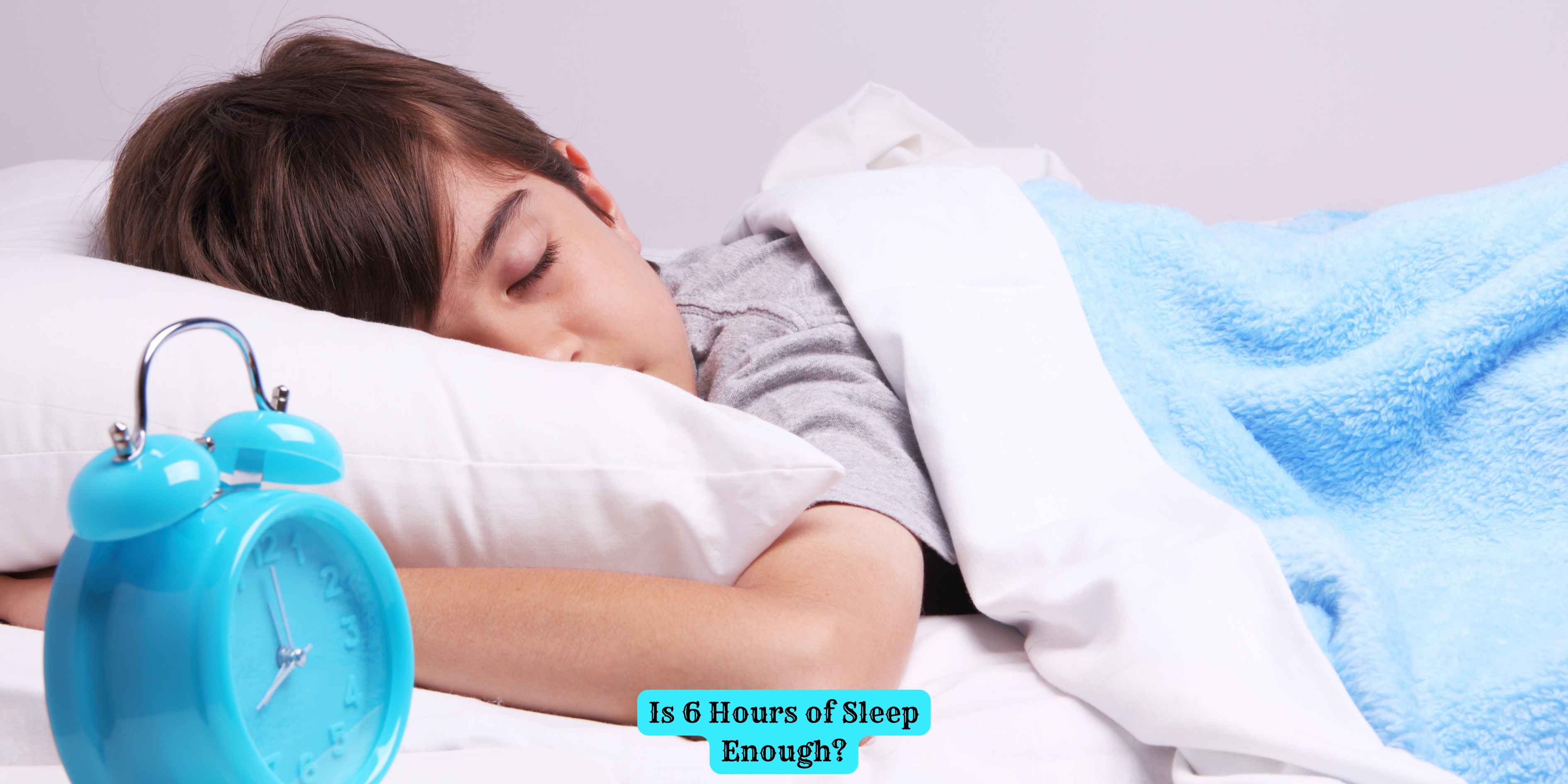
The Short Answer
For most adults, 6 hours of sleep is not enough on a regular basis. The CDC says adults ages 18 to 60 should get 7 or more hours per night, and the American Academy of Sleep Medicine recommends 7 or more hours for healthy adults.
Some people may function after 6 hours for a short time, but functioning is not the same as getting enough sleep.
If you regularly sleep less than 7 hours, you are probably in short-sleep territory even if you feel used to it.
Why Adults Usually Need 7 or More Hours
Sleep supports memory, mood, immune function, hormones, metabolism, blood pressure, reaction time, and brain recovery. Cutting sleep short reduces the time your body has to complete these processes.
Adults do not all need the exact same amount.
But population-level recommendations exist because health risks rise when short sleep becomes a pattern.
Why You Might Feel Fine on 6 Hours
People can adapt to feeling tired. After repeated short sleep, sleepiness may start to feel normal. Caffeine, stress hormones, deadlines, and habit can also mask fatigue.
You might feel “fine” but still have slower reaction time, weaker focus, irritability, or reduced learning.
This is why sleep need should not be judged only by how you feel at 9 a.m.
When 6 Hours Might Be Acceptable
Six hours may be acceptable occasionally, such as during travel, a busy week, or a temporary life event. A single short night does not ruin your health.
The concern is repeated short sleep over weeks, months, or years.
If you sleep 6 hours but wake refreshed, do not need caffeine, stay alert all day, and have no health issues, you may still want to discuss your sleep pattern with a clinician if it is long term.
Signs You Need More Sleep
Common signs include morning grogginess, heavy caffeine reliance, dozing during quiet moments, irritability, poor concentration, headaches, cravings, low motivation, and sleeping much longer on weekends.
Another clue is needing alarms repeatedly or feeling unable to wake naturally.
Your body often reveals sleep debt through behavior before you consciously notice it.
Health Risks of Chronic Short Sleep
CDC sleep materials link insufficient sleep with higher risk of several health problems, including obesity, diabetes, high blood pressure, heart disease, stroke, poor mental health, and injuries.
Short sleep can also affect driving safety, work performance, school performance, and emotional regulation.
The risk is not meant to scare you. It is meant to show that sleep is basic health care.
Sleep Quality Matters Too
Seven hours in bed is not the same as seven hours of good sleep. Snoring, sleep apnea, pain, anxiety, alcohol, late caffeine, medications, shift work, and screen habits can reduce sleep quality.
If you spend enough time in bed but still feel exhausted, quality may be the issue.
Persistent snoring, gasping, morning headaches, or extreme daytime sleepiness should be discussed with a healthcare professional.
How to Move from 6 to 7 Hours
Start by shifting bedtime earlier by 15 minutes for several nights. Keep a consistent wake time, reduce late caffeine, dim lights at night, get morning sunlight, and create a wind-down routine.
Protect sleep like an appointment.
If your schedule makes 7 hours impossible, look for the biggest friction point: commute, phone use, late work, caregiving, stress, or inconsistent bedtime.
Practical Takeaway
Six hours of sleep may be survivable, but for most adults it is not ideal as a regular pattern. Aim for at least 7 hours of good-quality sleep unless your healthcare professional advises otherwise.
If you cannot sleep longer despite trying, or you feel tired even after enough time in bed, ask a clinician about insomnia, sleep apnea, stress, medications, or other possible causes.