

How to Explain Juneteenth to Kids
Juneteenth can be explained to kids as a celebration of freedom, truth, family, history, and the ongoing work of fairness.
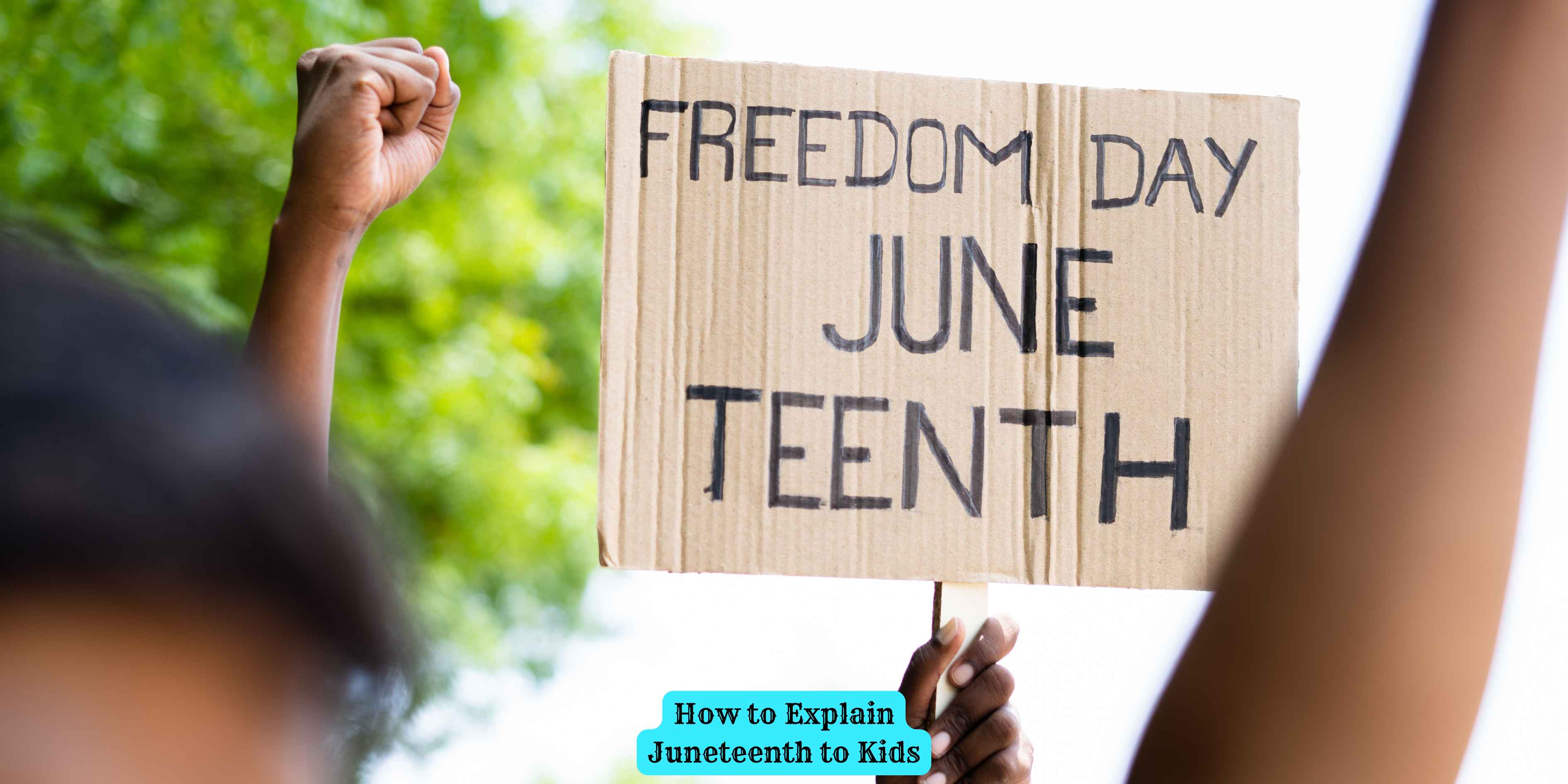
The Short Answer
To explain Juneteenth to kids, say that it is a holiday celebrating the day news of freedom reached enslaved Black people in Galveston, Texas, on June 19, 1865. It reminds us that freedom is important, history should be told honestly, and everyone deserves to be treated with dignity.
Use simple words, answer questions calmly, and match the details to the child’s age.
Juneteenth is both a celebration of freedom and a reminder that justice sometimes arrives late and must be protected.
Start with a Simple Definition
For younger kids, begin with one clear sentence:
Juneteenth is a holiday that celebrates the day many enslaved people in Texas finally heard they were free.
Then add context. Enslaved people were forced to work without freedom. President Abraham Lincoln issued the Emancipation Proclamation in 1863, but the news and enforcement did not reach everyone immediately. On June 19, 1865, Union troops arrived in Galveston, Texas, and announced freedom there.
The Smithsonian’s National Museum of African American History and Culture explains that Juneteenth marks June 19, 1865, when Union troops brought freedom news to Galveston Bay and across Texas.
Explain Why the Date Matters
Kids may ask, “Why did it take so long?” You can answer honestly without overwhelming them:
Some people in power did not want slavery to end, and news traveled differently then. Freedom had to be announced and enforced. Juneteenth matters because people who had been denied freedom finally heard that freedom was theirs.
This helps children understand that laws and real life do not always change at the same speed.
Use Age-Appropriate Language
For young children, keep the focus on freedom, fairness, and celebration. For older children, include more history about slavery, the Civil War, the Emancipation Proclamation, Reconstruction, and civil rights.
You might say:
- Ages 4-7: “Juneteenth celebrates freedom and reminds us to treat people fairly.”
- Ages 8-11: “Juneteenth remembers when enslaved people in Texas learned they were free after the Civil War.”
- Ages 12 and up: “Juneteenth shows how freedom, law, power, and justice did not reach everyone at the same time.”
Do Not Skip the Hard Part
It can be tempting to describe Juneteenth only as a joyful celebration. Joy is important, but the history includes slavery, injustice, and delayed freedom.
Children can handle truth when adults explain it gently. You do not need graphic details for young kids, but you should not pretend slavery was simply “unfair work.” It was a system that denied people freedom, family security, pay, and basic human rights.
Honest history builds empathy.
Connect It to Celebration
Juneteenth is also a day of family, food, music, storytelling, community events, parades, education, and remembrance. Many families celebrate with cookouts, red foods and drinks, books, local events, prayer, speeches, or service.
Kids understand holidays through activities. You can read a children’s book, attend a community event, make a timeline, listen to music, cook together, or talk about what freedom means.
Ask Good Questions
Let kids think instead of only listening. Questions help them connect history to values.
Try asking:
- What does freedom mean to you?
- Why is it important to tell the truth about history?
- How do people celebrate important days in our family?
- What can we do when something is unfair?
- How can we honor people who fought for freedom?
Their answers may be simple, but they open meaningful conversation.
Avoid Common Mistakes
Do not describe Juneteenth as “the day slavery ended everywhere” without context. The 13th Amendment later abolished slavery throughout the United States, except as punishment for crime. Juneteenth specifically remembers the freedom announcement in Texas on June 19, 1865.
Also avoid making one child or group feel responsible for the past. The goal is understanding, respect, and responsibility for building a fairer future.
Practical Takeaway
Explain Juneteenth to kids as a celebration of freedom and a lesson in honest history. Keep it simple for young children, add detail as they grow, and connect the holiday to values they can understand: freedom, courage, fairness, remembrance, and community.
The best explanation is truthful, gentle, and hopeful.