

How to Explain Baptism to a Child
Explaining baptism to a child works best when you use simple words, familiar examples, and a calm focus on faith.
Start with the Simple Meaning
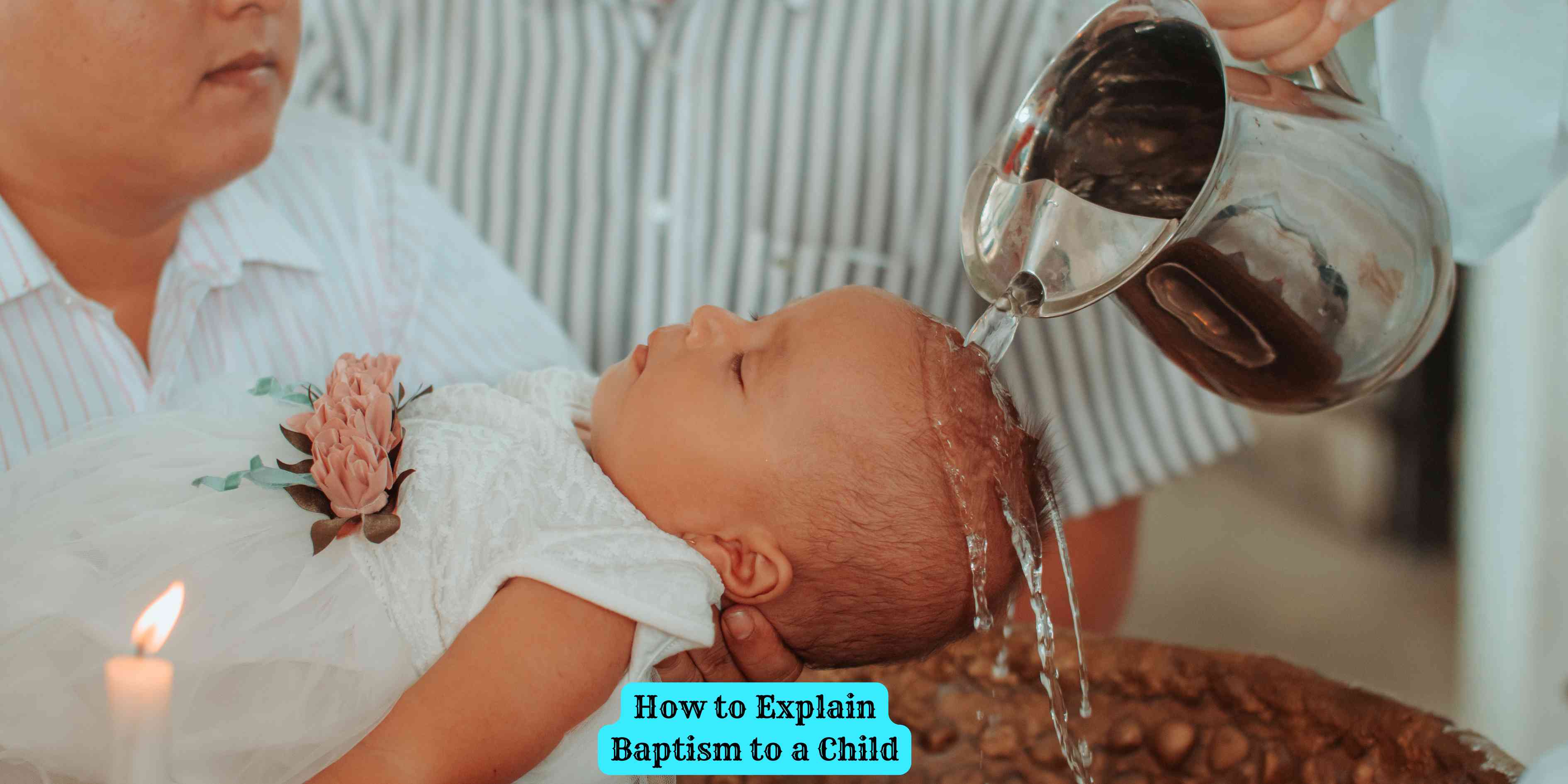
To explain baptism to a child, you can say: Baptism is a special Christian act that shows a person belongs to Jesus and wants to follow God. It uses water as a sign of cleansing, new life, and being part of the Christian family.
Keep the explanation gentle and age-appropriate. A young child does not need a long theology lecture. They need a clear picture: baptism is something Christians do to show faith, obedience, and a new beginning with God.
The easiest way to explain baptism is to say that the water is an outward sign of something God is doing in a person’s heart.
Use a Picture a Child Can Understand
Children understand symbols when you connect them to everyday life. You might say, “A wedding ring does not create love, but it shows a promise. Baptism is like that. The water shows a promise of faith and belonging to God.”
You can also compare baptism to putting on a team jersey. The jersey does not make someone talented, but it shows what team they belong to. Baptism shows that a person belongs to Christ and the church.
These examples are not perfect, but they help children understand that baptism has meaning beyond the water itself.
Explain the Water
Children often ask why water is used. You can explain that water helps us think about washing, new life, and rescue.
In Christian teaching, baptism points to:
- Being cleansed from sin
- Starting a new life with God
- Being joined to Jesus
- Becoming part of the church community
- Obeying Jesus’ command
Different churches explain the details differently, but most Christians agree that baptism is deeply connected to faith and God’s work in a person’s life.
Be Honest About Different Church Traditions
Not all churches practice baptism in exactly the same way. Some baptize babies. Some baptize older children or adults after they personally confess faith. Some sprinkle water. Others pour water or immerse the person fully.
You can tell a child: “Christians agree that baptism is important, but different churches have different ways of practicing it.”
This helps children avoid confusion if they see baptism done differently at another church, on a video, or at a friend’s congregation.
Answer Common Questions Simply
Question: “Does baptism mean the person is perfect?”
Answer: “No. Baptism does not mean a person will never make mistakes. It shows that the person belongs to God and is learning to follow Him.”
Question: “Why do people clap or smile?”
Answer: “Because baptism is a joyful moment. The church is celebrating God’s love and the person’s faith.”
Question: “Is the water magic?”
Answer: “No. The water is not magic. It is a sign that points to God’s promise and the person’s faith.”
Simple answers build understanding without overwhelming the child.
Connect Baptism to Jesus
Christians practice baptism because Jesus was baptized and because Jesus told His followers to make disciples and baptize them. For a child, you can say, “Jesus showed us that baptism matters, and Christians keep doing it because they want to obey Him.”
You do not need to explain every debate about baptism. Focus on the main point: baptism is connected to Jesus, faith, and belonging to God’s people.
Explain the Church Family Part
Baptism is not only private. It usually happens in front of the church because faith is lived in community. The congregation witnesses, celebrates, prays, and welcomes the baptized person.
Children can understand this if you say, “When someone is baptized, the church family is saying, ‘We are happy with you, and we want to help you follow Jesus.’”
This makes baptism feel warm rather than mysterious.
A Child-Friendly Script
Here is a simple script you can use:
“Baptism is a special way Christians show that they belong to Jesus. The water reminds us that God cleans us, gives us new life, and welcomes us into His family. Different churches do baptism in different ways, but it is always a serious and joyful sign of faith.”
That explanation is short enough for a child, but meaningful enough to start a real conversation.
Keep the Conversation Open
Children may ask more questions later, especially after seeing a baptism. Let them ask without pressure. If your church has a specific teaching about infant baptism, believer’s baptism, confirmation, or membership, explain it in the language your child can handle.
The goal is not to make them memorize a definition. The goal is to help them see baptism as a beautiful sign of faith, grace, obedience, and belonging.