

How Heat Can Be a Source of Water Pollution
Heat can pollute water when human activity raises water temperature enough to harm aquatic life and water chemistry.
The Short Answer
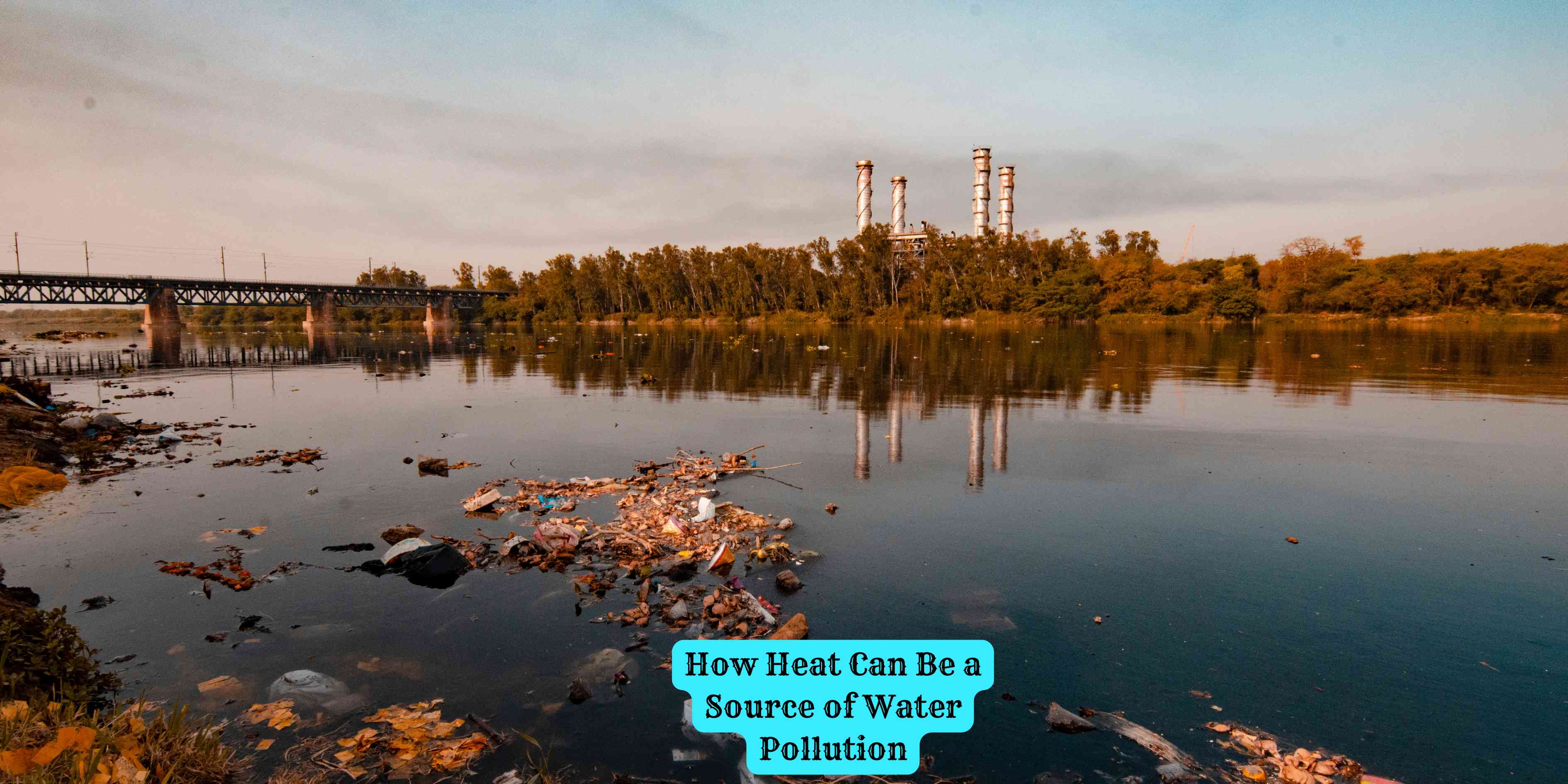
Heat can be a source of water pollution when human activities raise the temperature of rivers, lakes, streams, or coastal waters in ways that harm aquatic life. This is called thermal pollution. It can come from power plant cooling water, industrial discharge, removal of shade trees, warm stormwater runoff, and heated urban surfaces.
Water pollution is not only about chemicals; a harmful change in water temperature can also damage an aquatic ecosystem.
What Thermal Pollution Means
Thermal pollution occurs when water temperature changes unnaturally because of human activity. Most often, this means water becomes too warm too quickly.
Aquatic organisms are adapted to certain temperature ranges. Fish, insects, plants, algae, amphibians, and microbes all respond to temperature. A sudden or sustained temperature increase can affect survival, growth, reproduction, and movement.
Because temperature controls many biological and chemical processes, heat can act like a pollutant even though it is not a substance you can scoop out of the water.
Warm Water Holds Less Oxygen
One major problem is dissolved oxygen. Cold water can hold more dissolved oxygen than warm water. When water warms, oxygen levels can fall.
Fish and many aquatic organisms need dissolved oxygen to survive. If heat lowers oxygen too much, fish may become stressed, move away, reproduce less successfully, or die.
Warm water can be especially harmful during summer, drought, or low-flow conditions because oxygen may already be limited.
Power Plants and Industry Can Add Heat
Some power plants and factories use water for cooling. If heated water is discharged back into a river, lake, or bay without enough cooling, it can raise local water temperature.
This thermal discharge can create a warmer zone near the outlet. Aquatic life in that area may be exposed to temperatures outside its normal range.
Regulations often require facilities to manage thermal discharges because the heat can affect biological communities, not just water comfort.
Urban Runoff Can Be Warm
Heat pollution can also come from cities. Pavement, roofs, parking lots, and other hard surfaces absorb sunlight and become hot. Rainwater flowing over those surfaces can warm before entering storm drains and streams.
Small streams are especially vulnerable because a rush of warm runoff can change temperature quickly.
Trees, green spaces, rain gardens, and permeable surfaces can help reduce the heat carried by stormwater.
Removing Shade Makes Streams Warmer
Trees and vegetation along streambanks provide shade. When these plants are removed for development, farming, logging, or landscaping, more sunlight reaches the water.
That extra sunlight can warm the stream. It can also increase algae growth and reduce habitat quality for cold-water species such as trout.
Protecting streamside buffers is one of the simplest ways to prevent heat-related water pollution.
Heat Can Disrupt Reproduction
Many aquatic species use temperature as a cue for spawning, migration, feeding, and development. If water warms at the wrong time or stays too warm, those cues can be disrupted.
Fish eggs and young organisms may be especially sensitive. Even if adults survive, reproduction may decline.
This means thermal pollution can reduce populations over time without causing an immediate dramatic fish kill.
Heat Can Favor Harmful Conditions
Warmer water can encourage algae growth, speed up chemical reactions, stress cold-water species, and favor organisms that tolerate heat. It can also make some pollutants more harmful.
When heat combines with nutrient pollution, low flows, or stagnant water, water quality can decline more quickly.
This is why heat is often part of a larger pollution problem rather than a separate issue.
Key Takeaway
Heat becomes water pollution when it changes water temperature enough to harm aquatic life, lower dissolved oxygen, disrupt reproduction, or alter water chemistry.
Reducing thermal pollution means cooling industrial discharges, protecting stream shade, managing stormwater, restoring vegetation, and designing cities so heated surfaces do not quickly send warm runoff into waterways.