

How Water Pollution Impacts Marine Ecosystems
Water pollution harms marine ecosystems by changing the chemical, physical, and biological conditions ocean life depends on.
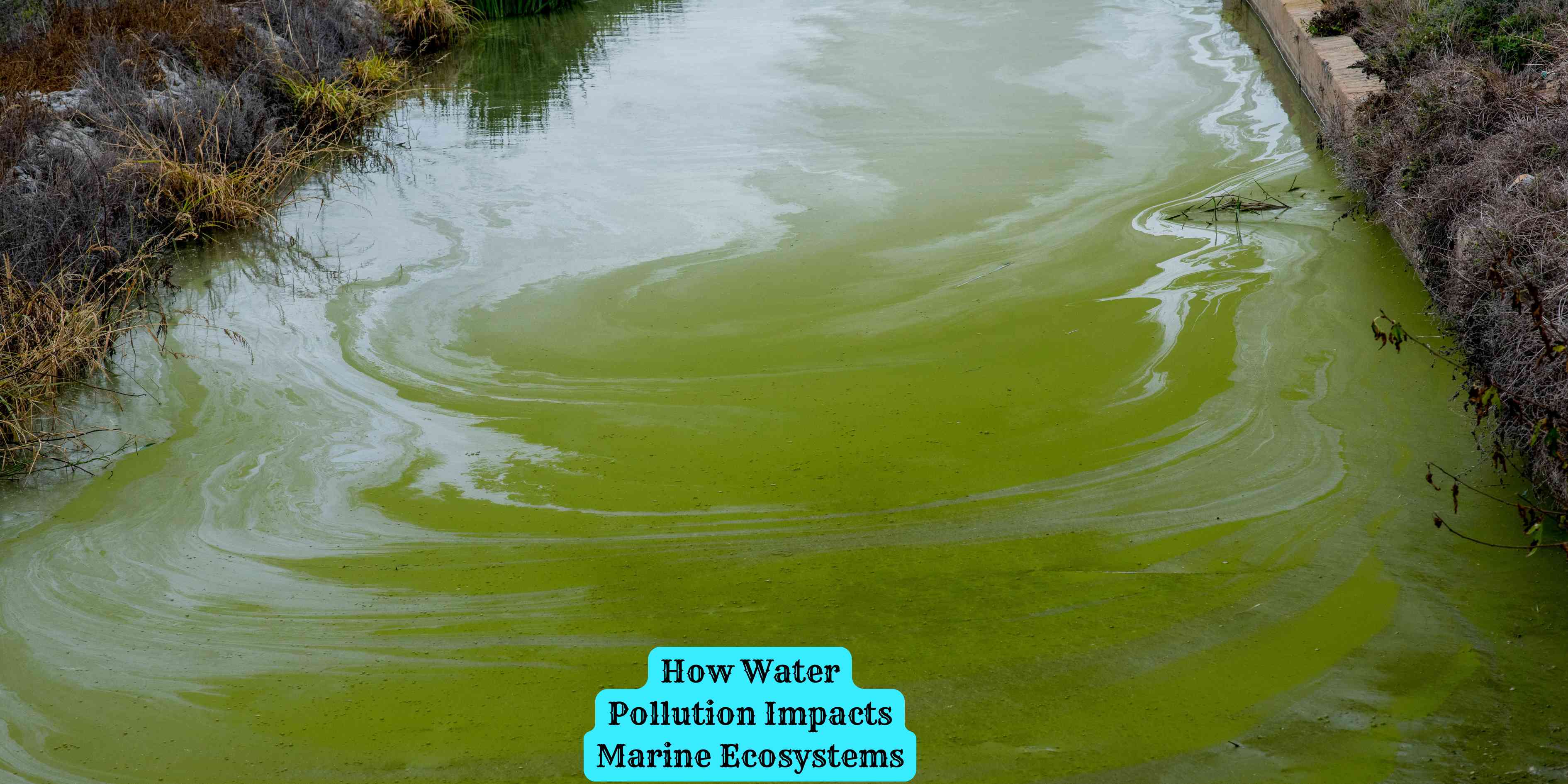
The Short Answer
Water pollution impacts marine ecosystems by adding harmful substances, excess nutrients, plastics, oil, sewage, heavy metals, and other contaminants to ocean and coastal waters. These pollutants can poison organisms, reduce oxygen, damage habitats, block sunlight, spread disease, and disrupt food chains.
Marine ecosystems depend on clean water, balanced nutrients, healthy habitats, and stable relationships among organisms. Pollution becomes dangerous because it changes the conditions marine life is adapted to survive in.
Toxic Pollutants Can Poison Marine Life
Some pollutants directly harm marine organisms. Heavy metals, pesticides, industrial chemicals, oil compounds, and some household chemicals can damage tissues, interfere with reproduction, weaken immune systems, or cause death.
Small organisms may absorb contaminants from the water. Larger animals may then eat those organisms. This allows some pollutants to move through the food web.
The problem can become more serious when toxins accumulate in predators over time. Fish, seabirds, marine mammals, and humans can all be affected when contaminated organisms are eaten.
Nutrient Pollution Causes Algal Blooms
Nutrients such as nitrogen and phosphorus are necessary for life, but too much can create problems. Fertilizer runoff, sewage, and wastewater can add excess nutrients to coastal waters.
This can trigger algal blooms. Some blooms block sunlight. Some produce toxins. When large amounts of algae die and decompose, bacteria use oxygen from the water. That can create low-oxygen conditions called hypoxia.
Fish, crabs, and other animals may leave if they can. Slower or trapped organisms may die.
Plastic Pollution Harms Animals
Plastic pollution affects marine ecosystems in several ways. Large plastic pieces can entangle animals or be mistaken for food. Smaller plastic fragments, called microplastics, can be swallowed by fish, shellfish, seabirds, and plankton.
Plastic can cause injury, reduce feeding, carry chemical pollutants, and move through food webs. Even when plastic does not immediately kill an animal, it can create long-term stress.
Because plastic breaks into smaller pieces rather than simply disappearing, it can remain in marine environments for a long time.
Oil Pollution Damages Habitats
Oil pollution can coat feathers, fur, plants, shorelines, and sediments. It can reduce insulation in birds and marine mammals, damage fish eggs and larvae, and affect marsh grasses or mangrove roots.
Oil spills are dramatic, but smaller leaks and runoff can also contribute to chronic pollution. Coastal habitats such as wetlands, coral reefs, seagrass beds, and estuaries are especially important because many species feed, breed, or shelter there.
Damage to habitat often affects more than one species.
Pollution Can Reduce Oxygen
Marine organisms need dissolved oxygen. Pollution can reduce oxygen when organic waste, sewage, or excess algae decomposes. Bacteria break down this material and consume oxygen in the process.
When oxygen levels drop too low, the water may become difficult or impossible for many animals to survive in. These areas are sometimes called dead zones, though some microorganisms may still live there.
Low oxygen can change which species dominate an ecosystem and reduce biodiversity.
Food Webs Can Be Disrupted
A marine food web is a network of feeding relationships. Pollution can weaken food webs by harming organisms at the base, such as phytoplankton, seagrass, algae, and small invertebrates.
If small organisms decline, fish may have less food. If fish decline, birds, mammals, and people who depend on fish are affected. Pollution can also make prey unsafe to eat if contaminants build up in tissues.
The effect is rarely limited to one organism. Ecosystems are connected.
Coral Reefs and Coastal Habitats Are Vulnerable
Coral reefs, mangroves, estuaries, and seagrass beds are highly productive habitats. They support many species and protect coastlines. Pollution can smother corals, increase disease, reduce water clarity, or encourage algae that compete with corals.
Sediment pollution can block sunlight needed by seagrass and coral symbionts. Chemical pollution can stress organisms already affected by warming waters or acidification.
When these habitats decline, the animals that depend on them lose food and shelter.
Reducing Marine Pollution
Reducing water pollution requires action on land and water:
- Treat wastewater properly
- Reduce fertilizer runoff
- Keep plastics out of waterways
- Manage stormwater
- Prevent oil leaks and spills
- Protect wetlands and buffers
- Reduce industrial discharges
- Support cleanup and monitoring
Marine pollution often begins far from the ocean. Rivers, drains, and runoff connect inland behavior to coastal ecosystems.
The Main Lesson
Water pollution affects marine ecosystems by changing water quality and damaging the relationships that keep ocean life stable. It can harm organisms directly, reduce oxygen, alter habitats, and disrupt food webs.
Protecting marine ecosystems means keeping harmful substances out of the water before they spread through the system.