

How the Destruction of Forests Affects Atmospheric Levels of Carbon
Forests store carbon and absorb carbon dioxide, so destroying them can raise atmospheric carbon in two major ways.
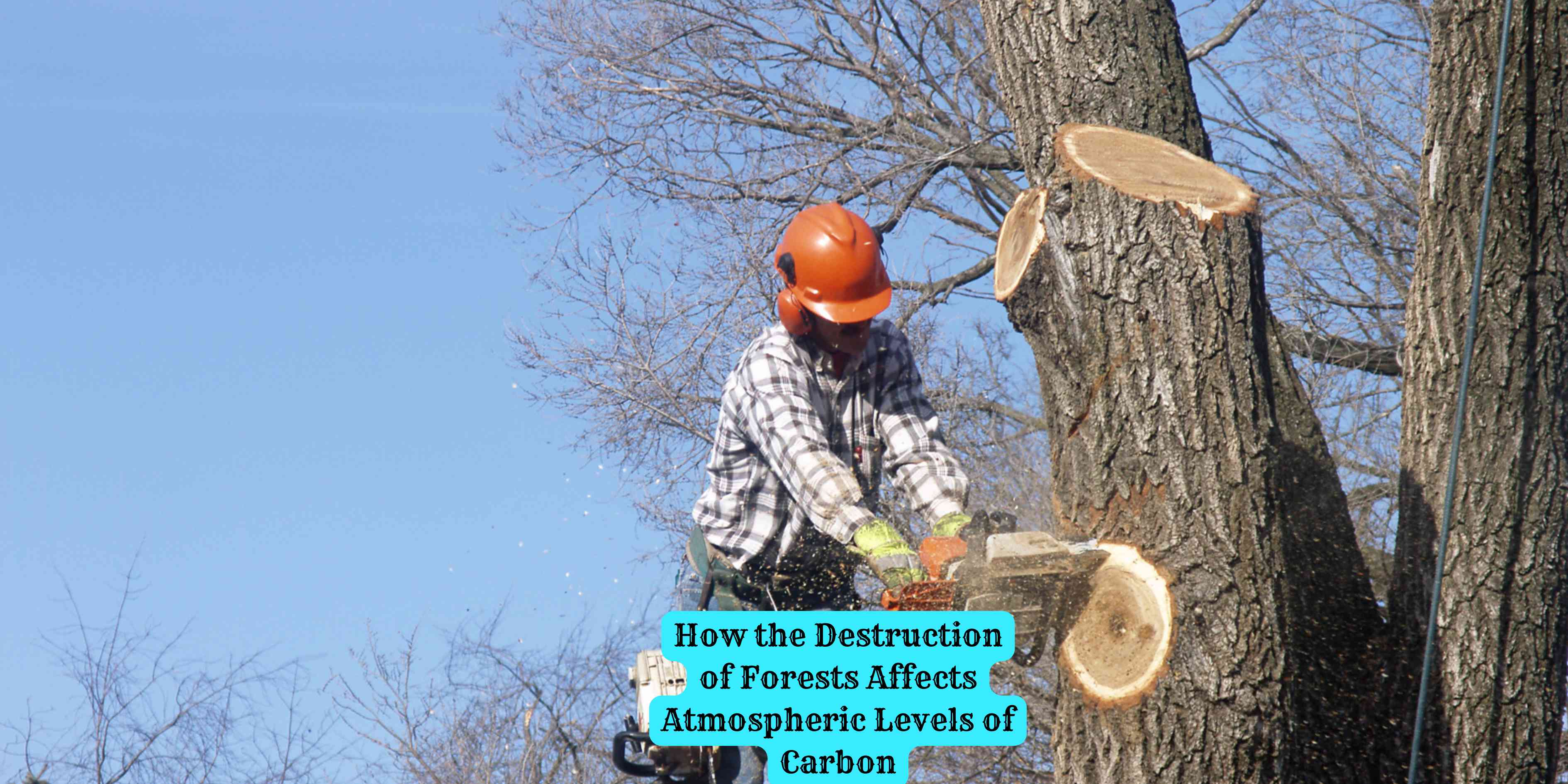
The Short Answer
The destruction of forests increases atmospheric carbon because trees store carbon in wood, leaves, roots, and soil. When forests are burned, cut, or left to decay, much of that stored carbon returns to the atmosphere as carbon dioxide. Deforestation also removes trees that would otherwise absorb carbon dioxide through photosynthesis.
Deforestation affects atmospheric carbon twice: it releases stored carbon and reduces future carbon absorption.
Forests Store Carbon
Trees absorb carbon dioxide from the air during photosynthesis. They use carbon to build trunks, branches, leaves, roots, and other plant tissue.
Forests also store carbon in soil. Dead leaves, roots, fallen branches, and organic matter can become part of the forest floor and soil carbon pool.
This is why forests are often called carbon sinks. They take in more carbon than they release when they are healthy and growing.
Burning Forests Releases Carbon Quickly
When forests are burned for agriculture, settlement, logging, or accidental wildfire, carbon stored in trees is released quickly as carbon dioxide.
Burning can also release other gases and particles that affect air quality. But for climate, the main issue is that carbon that took years or centuries to store can return to the atmosphere in a short time.
This rapid release increases the amount of heat-trapping carbon dioxide in the atmosphere.
Cutting Forests Can Also Release Carbon
Even when trees are not burned, cutting forests can release carbon. If wood is left to rot, decomposers break it down and carbon returns to the air. If soil is disturbed, stored soil carbon may also be released.
Some harvested wood becomes long-lasting products, such as furniture or building materials, which can store carbon for longer. But much deforestation leads to short-lived products, waste, burning, or decay.
The overall result often increases atmospheric carbon.
Fewer Trees Means Less Carbon Absorption
The second effect is just as important. When a forest is destroyed, there are fewer trees left to remove carbon dioxide from the air.
A cleared area may become a road, city, pasture, or crop field. Some of those land uses store far less carbon than a forest and absorb less carbon over time.
This means deforestation creates both an immediate carbon release and a long-term reduction in carbon uptake.
Soil Carbon Can Be Lost
Forests do not store carbon only above ground. Soil can hold large amounts of carbon. When forests are cleared, soil may be exposed to sunlight, erosion, drainage, and disturbance.
That disturbance can speed up decomposition and release carbon dioxide. In some wetland or peat forest areas, drainage and burning can release especially large amounts of carbon.
Protecting soil is therefore part of protecting the carbon cycle.
Why Replanting Helps but Does Not Instantly Fix It
Reforestation can help absorb carbon, restore habitat, reduce erosion, and improve water cycles. However, new trees take time to grow.
A young forest cannot immediately replace the carbon storage of an old forest. Mature forests may contain decades or centuries of accumulated carbon.
This is why preventing forest destruction is often more effective than relying only on replanting afterward.
How Forest Loss Connects to Climate Change
Carbon dioxide is a greenhouse gas. Higher atmospheric carbon dioxide traps more heat in Earth’s climate system.
Deforestation contributes to climate change by adding carbon dioxide and weakening one of the natural systems that removes it. NASA and other climate agencies describe forests as an important part of the global carbon cycle because they exchange carbon with the atmosphere.
The exact impact depends on forest type, land use after clearing, fire, soil, and whether regrowth occurs.
What Can Reduce the Impact
Protecting existing forests is one major step. Sustainable forestry, reduced illegal logging, wildfire management, agroforestry, restoration, and better land-use planning can also help.
Consumers and businesses can support products that reduce pressure on forests, though large-scale policy and enforcement are also important.
Climate solutions work best when forest protection is combined with reducing fossil fuel emissions.
Key Takeaway
The destruction of forests raises atmospheric carbon by releasing carbon stored in trees and soil and by removing trees that would absorb carbon dioxide in the future.
Forests are not just scenery. They are active parts of the carbon cycle, and destroying them makes it harder for the planet to balance carbon in the atmosphere.