

Are You Drinking Enough Water Every Day? How to Know
You may be drinking enough water if your thirst is mild, your urine is pale yellow, and you feel well most days. But heat, exercise, illness, pregnancy, breastfeeding, and medical conditions can change your needs.
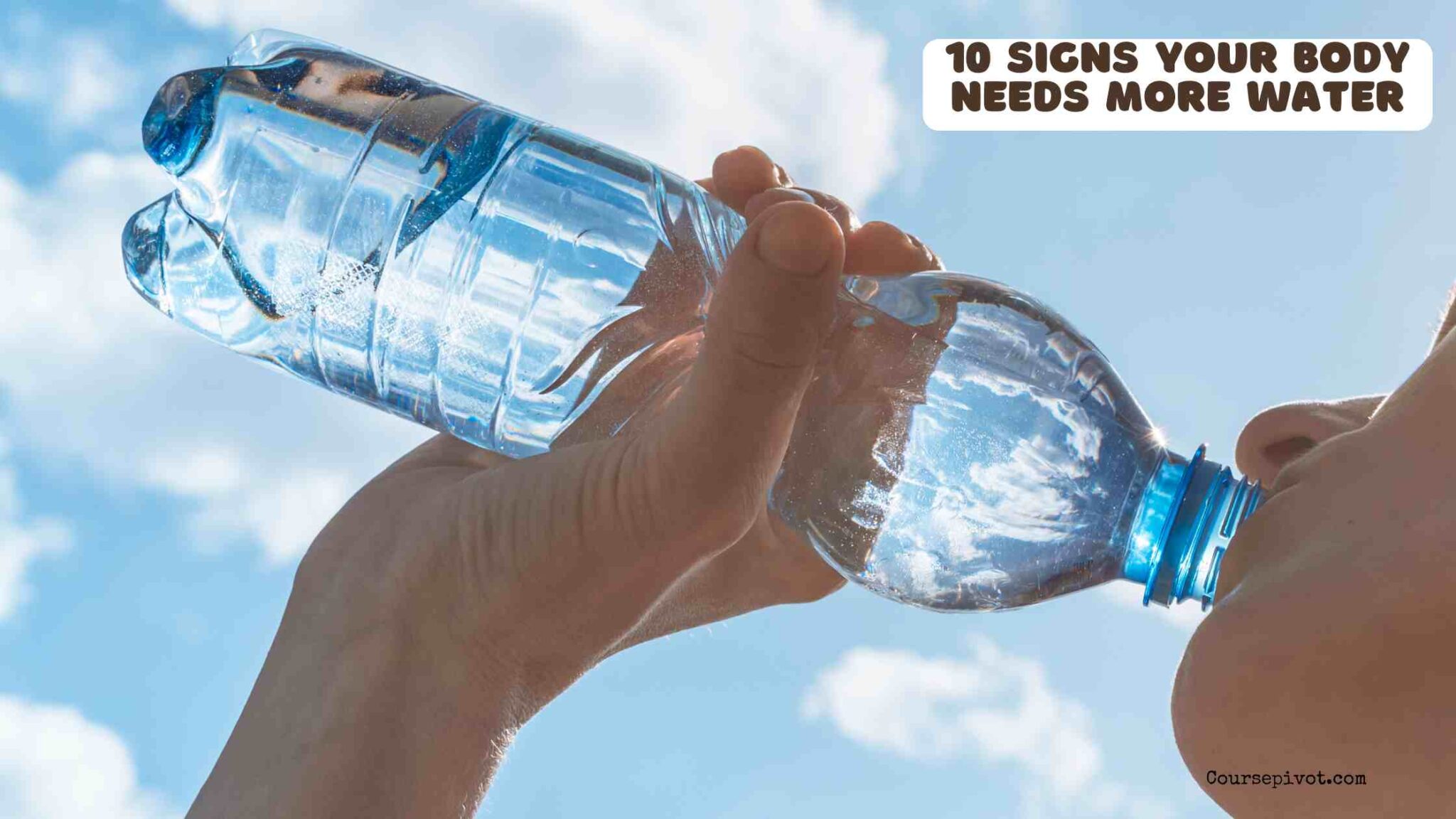
Water is easy to overlook until your body starts asking for it. You may notice thirst, dry mouth, headache, fatigue, darker urine, constipation, or poor concentration and wonder whether you are drinking enough water every day.
There is no perfect daily water number for everyone. Your needs depend on age, body size, activity level, climate, diet, health, medications, pregnancy, breastfeeding, and how much fluid you get from food and other drinks.
You are probably drinking enough water if you are rarely very thirsty, your urine is usually pale yellow, and you feel well during normal daily activity. But those clues are not perfect, and some people need more specific medical guidance.
How Much Water Do Adults Usually Need?
Many people have heard the “eight glasses a day” rule. It can be a simple starting point, but it is not a precise medical requirement for every person.
The National Academies’ widely used adequate intake levels for total water are about 3.7 liters per day for adult men and 2.7 liters per day for adult women. That includes water from all beverages and foods, not just plain water.
Mayo Clinic summarizes those amounts as about 15.5 cups of total fluid a day for men and 11.5 cups for women. CDC guidance also emphasizes that water needs vary and that foods, especially fruits and vegetables, can contribute to daily fluid intake.
In real life, this means you do not need to force a rigid number if your body is doing well. You need enough fluid to replace what you lose through breathing, sweating, urination, bowel movements, and daily activity.
How to Know if You Are Drinking Enough Water
No single sign tells the whole story. The best approach is to combine several clues: thirst, urine color, energy, activity level, weather, and whether you have any symptoms that could point to dehydration or another health issue.
1. Check Your Urine Color
Urine color is one of the easiest everyday clues. Pale yellow urine often suggests you are reasonably hydrated. Dark yellow or amber urine may mean you need more fluids, especially if it happens with thirst, dry mouth, or fatigue.
However, urine color is not a perfect test. Vitamins, some medications, certain foods, and medical conditions can change urine color. Also, very clear urine all day may mean you are drinking more than you need.
Use urine color as a clue, not a diagnosis.
2. Notice How Often You Feel Thirsty
Thirst is your body’s natural reminder to drink. If you are constantly thirsty, waking up thirsty, or feeling thirsty soon after drinking, it may be worth looking at your daily fluid habits.
You may also need more fluids if you drink a lot of caffeine, eat salty foods, sweat heavily, or spend time in hot weather.
Extreme or unusual thirst can sometimes be linked to medical issues such as diabetes or medication effects. If thirst feels intense, persistent, or paired with frequent urination, unexplained weight loss, confusion, or weakness, talk to a healthcare professional.
3. Look for Signs of Mild Dehydration
Mild dehydration can affect how you feel before it becomes serious. Common signs may include:
- Dry mouth
- Headache
- Fatigue
- Dizziness
- Darker urine
- Constipation
- Muscle cramps
- Poor concentration
- Feeling overheated
These symptoms can have many causes, so do not assume water is always the answer. But if several symptoms improve after drinking fluids and resting, hydration may have been part of the issue.
4. Consider Your Activity Level
Exercise, physical work, sports, walking in heat, dancing, yard work, or long shifts on your feet can increase fluid needs. The more you sweat, the more you need to replace.
For everyday activity, water is usually enough. For long exercise sessions, heavy sweating, hot environments, or illness with fluid loss, electrolytes may sometimes help. But sugary sports drinks are not necessary for most ordinary days.
If you are trying to build healthier routines, hydration can also support exercise habits. Our guide on whether exercise lowers blood pressure explains why movement, water, and recovery all matter for health.
5. Think About Weather and Environment
Hot weather, humid weather, high altitude, indoor heating, and long sun exposure can all increase water loss. You may need more fluids on days when you sweat more, breathe harder, or spend hours outdoors.
A useful habit is to drink before you feel very thirsty when you know you will be active in heat. Carrying a bottle, taking small sips, and adding water-rich foods can help.
Watch for heat-related warning signs such as confusion, fainting, very high body temperature, inability to keep fluids down, or symptoms that worsen despite rest and fluids. Those require urgent medical attention.
6. Count More Than Plain Water
Plain water is a great choice, but it is not the only source of hydration. Milk, herbal tea, sparkling water, soups, smoothies, fruits, vegetables, and many other foods and drinks contribute to fluid intake.
Water-rich foods include watermelon, oranges, strawberries, cucumber, lettuce, tomatoes, celery, and soups.
That said, drinks high in added sugar can add calories quickly, and alcohol can increase fluid loss. For most people, the best everyday pattern is water as the main drink, with other fluids and water-rich foods supporting the total.
7. Know When You May Need More Water
You may need more fluids than usual if you are:
- Exercising or sweating heavily
- In hot or humid weather
- Pregnant or breastfeeding
- Recovering from fever
- Vomiting or having diarrhea
- Eating a high-salt diet
- Working outdoors
- Traveling, especially by air
- Taking medications that increase urination
If you have kidney disease, heart failure, liver disease, adrenal problems, or are on fluid restrictions, do not increase water aggressively without medical advice.
8. Be Careful With Too Much Water
More water is not always better. Drinking extreme amounts in a short time can dilute sodium in the blood, a dangerous condition called hyponatremia. This is rare for most people in daily life, but it can happen during endurance events, intense exercise, or water-drinking challenges.
Warning signs can include nausea, headache, confusion, swelling, weakness, seizures, or worsening symptoms after excessive water intake. Seek urgent care if severe symptoms occur.
Hydration should be steady and sensible, not forced.
Simple Ways to Drink Enough Water
Small habits usually work better than dramatic goals. Try these:
- Keep a refillable bottle nearby.
- Drink a glass of water after waking.
- Pair water with meals and snacks.
- Sip before, during, and after exercise.
- Add lemon, cucumber, mint, or fruit if plain water feels boring.
- Eat more water-rich fruits and vegetables.
- Replace one sugary drink with water.
- Drink extra during heat, fever, vomiting, or diarrhea.
Students and busy workers often forget to drink because the day moves quickly. A bottle on your desk or in your bag is a simple visual reminder.
When to Get Medical Help
Most mild dehydration improves with fluids and rest. But get medical help if you have severe dizziness, confusion, fainting, very little urination, rapid heartbeat, inability to keep fluids down, blood in vomit or stool, severe diarrhea, signs of heat illness, or dehydration in an infant, older adult, or medically fragile person.
You should also speak with a clinician if you are always thirsty, urinating much more than usual, or waking at night repeatedly to drink or urinate.
Final Thoughts
You are probably drinking enough water if your thirst is manageable, your urine is usually pale yellow, your energy feels normal, and you adjust fluids for heat, exercise, and illness.
The best hydration plan is flexible. Drink regularly, pay attention to your body, choose water often, and ask a healthcare professional for guidance if your thirst, urination, medications, or medical conditions make hydration more complicated.