

8 Ways of Honoring Your Parents
Honoring your parents can include respect, gratitude, listening, responsibility, care, forgiveness, wise living, and healthy boundaries.
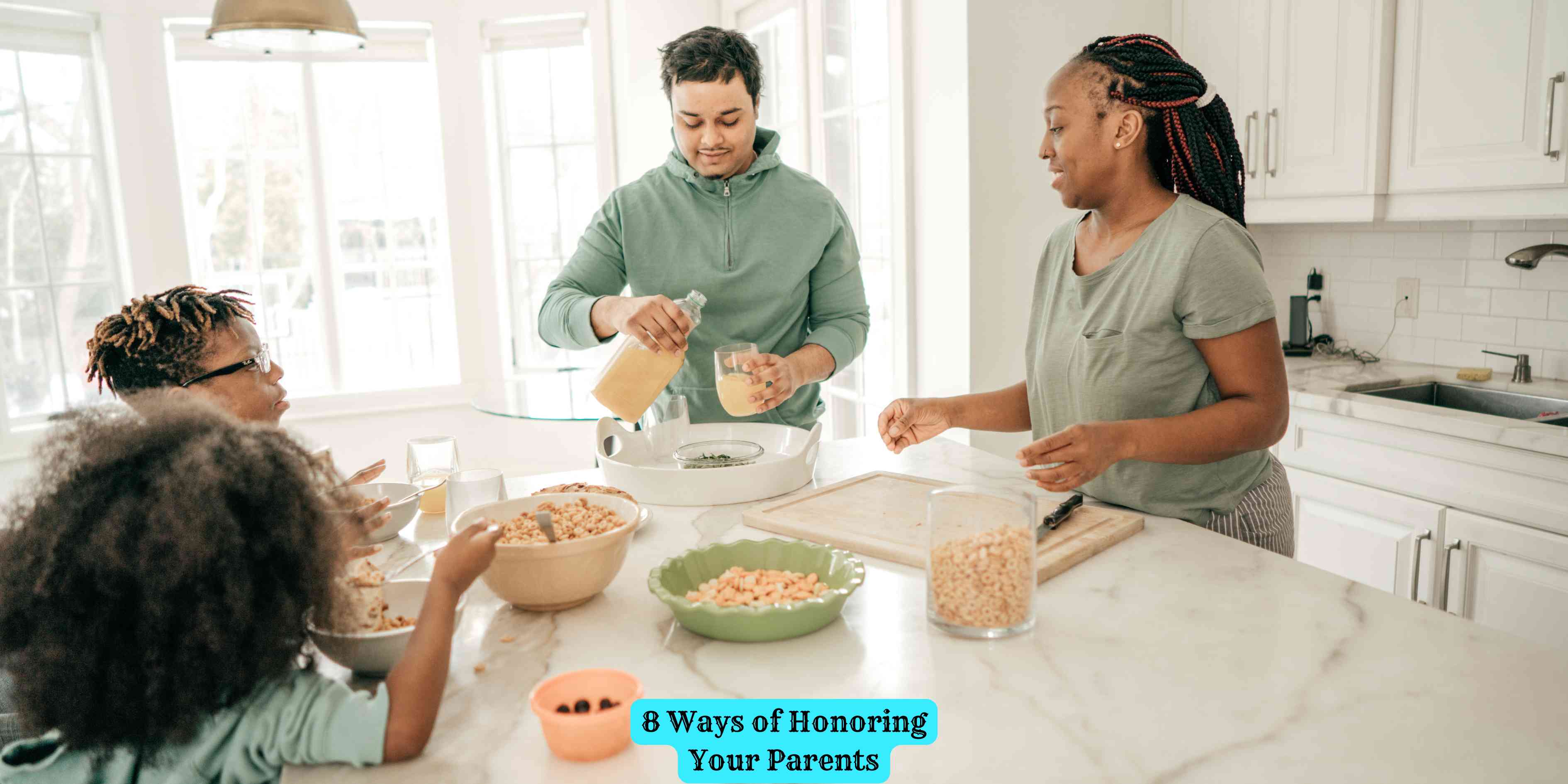
Honoring your parents is an important value in many cultures and a clear biblical command. But honor is sometimes misunderstood. It does not mean parents are perfect. It does not mean adult children must agree with everything. It does not mean tolerating abuse or never setting boundaries.
To honor your parents means to treat them with dignity, gratitude, respect, and care where possible. It is a posture of value, not blind obedience in every situation.
Honoring your parents is not only about words. It is about living in a way that recognizes their dignity while also practicing wisdom, truth, and healthy boundaries.
Eight ways of honoring your parents are:
- Speak respectfully.
- Listen with patience.
- Show gratitude.
- Help when you can.
- Live responsibly.
- Forgive where healing is possible.
- Set healthy boundaries.
- Care for them as they age.
Honor can look different depending on age, family history, safety, and relationship dynamics.
1. Speak Respectfully
Words matter. Speaking respectfully does not mean pretending everything is fine or avoiding honest conversations. It means refusing to use insults, contempt, mockery, or humiliation.
Respectful speech may sound like:
- “I understand your concern.”
- “I see this differently.”
- “I need time to think.”
- “I appreciate what you did.”
Even during disagreement, honor can show through tone and self-control.
2. Listen with Patience
Parents often want to feel heard, especially as children grow older and make independent choices. Listening does not mean surrendering your judgment. It means giving attention before responding.
Patient listening can help reduce conflict because it shows value. You may not agree with every opinion, but you can still listen long enough to understand the concern behind it.
Sometimes honoring a parent begins with slowing down and not dismissing them immediately.
3. Show Gratitude
Many parents sacrifice time, money, comfort, sleep, and personal goals for their children. Gratitude recognizes what was given, even if the relationship was not perfect.
Gratitude can be shown through:
- Saying thank you.
- Remembering sacrifices.
- Celebrating special days.
- Writing a thoughtful message.
- Acknowledging lessons they taught you.
If your family history is painful, gratitude may be complicated. You can recognize whatever good existed without denying harm.
4. Help When You Can
Honor can be practical. Helping with errands, technology, appointments, chores, transportation, or family responsibilities can show love in concrete ways.
But help should be realistic. You are not required to destroy your health, finances, marriage, or mental well-being to prove honor.
A wise question is: “What can I offer faithfully without becoming resentful or unsafe?“
5. Live Responsibly
One way to honor parents is to live with integrity. Many parents feel honored when their children become responsible, honest, compassionate, hardworking, and wise.
Responsible living may include:
- Keeping your word.
- Working diligently.
- Managing money wisely.
- Treating people well.
- Making moral choices.
- Learning from mistakes.
Your life does not have to match every dream your parents had, but it can reflect maturity and character.
6. Forgive Where Healing Is Possible
Some parent-child relationships carry wounds. Forgiveness can be part of honor, but it should not be forced, rushed, or confused with pretending nothing happened.
Forgiveness may mean releasing bitterness and seeking peace. It may also include honest conversations, counseling, repentance, changed behavior, and time.
If a parent remains abusive, manipulative, or unsafe, forgiveness can coexist with distance and boundaries.
7. Set Healthy Boundaries
Boundaries can actually protect honor. Without boundaries, resentment may grow until the relationship becomes more damaged.
Healthy boundaries may include:
- Limiting disrespectful conversations.
- Protecting your marriage or children.
- Saying no to unreasonable demands.
- Choosing when and how to visit.
- Refusing to discuss certain topics when they become harmful.
Boundaries should be communicated clearly and calmly. They are not punishment; they are limits that make healthier interaction possible.
8. Care for Them as They Age
As parents age, honoring them may include more practical care. This could mean checking in, helping with medical appointments, discussing finances, arranging support, or making sure they are not isolated.
Care may be shared among siblings, relatives, community members, churches, or professional services. One person should not have to carry everything alone if support is available.
Honoring aging parents means treating them as people with dignity, not burdens to be ignored.
Final Thoughts
Honoring your parents can include respectful speech, patient listening, gratitude, practical help, responsible living, forgiveness, boundaries, and care as they age.
Honor is not weakness or denial. It is a mature way of recognizing your parents’ dignity while still walking in wisdom, truth, and love.