

7 Biblical Ways to Resolve Conflict in Marriage
Biblical conflict resolution in marriage involves humility, listening, truth, forgiveness, prayer, patience, and wise counsel.
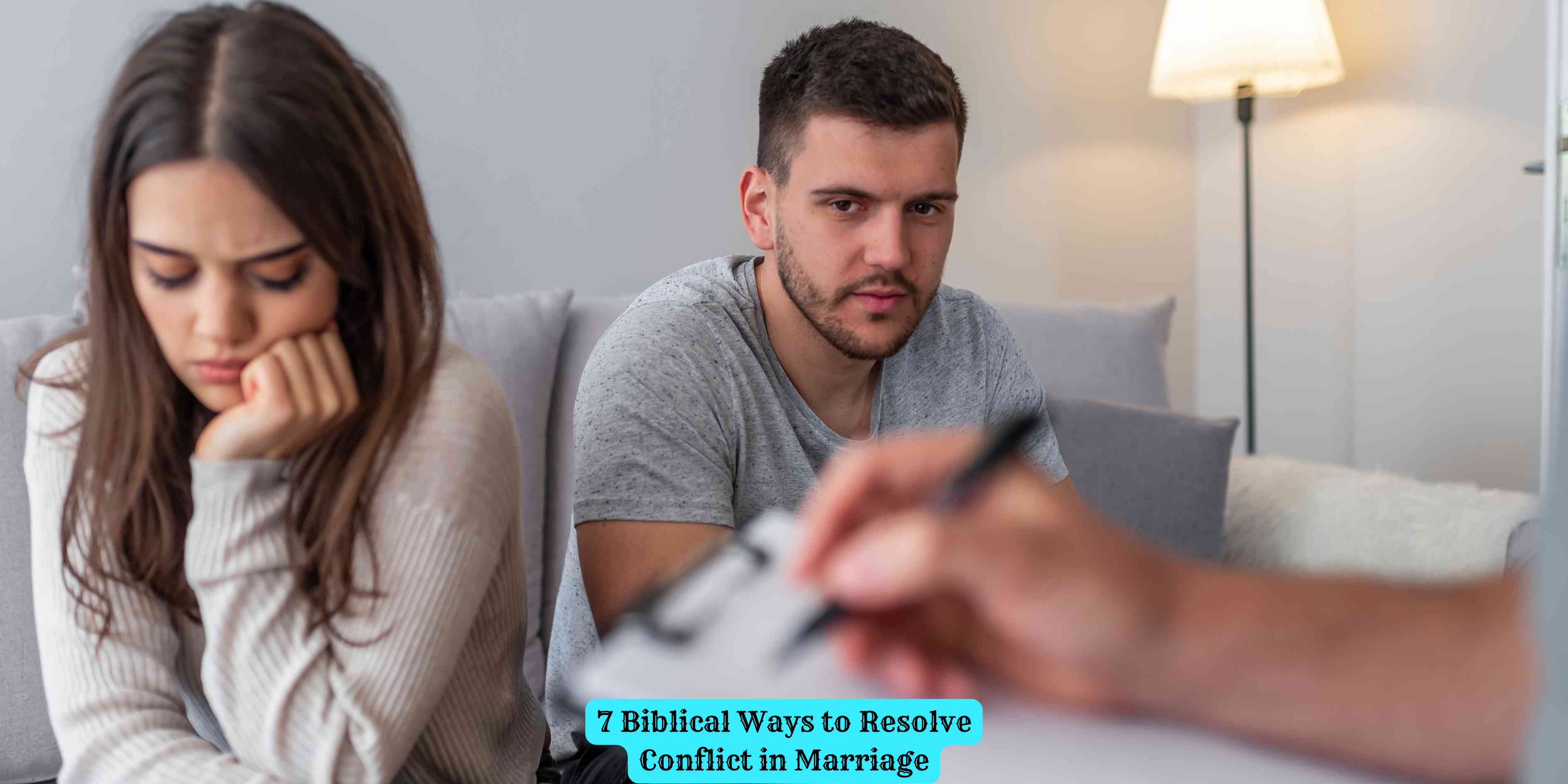
Conflict in marriage does not automatically mean a marriage is failing. Two people can love God, love each other, and still disagree about money, family, intimacy, parenting, work, communication, or expectations. The question is not whether conflict will happen. The question is how a couple responds when it does.
The Bible does not treat love as merely a feeling. It calls people to humility, patience, truth, forgiveness, and self-control. Those qualities can transform how conflict is handled at home.
Biblical conflict resolution is not about winning arguments. It is about protecting love, truth, unity, and holiness inside the marriage.
Seven biblical ways to resolve conflict in marriage are:
- Begin with humility.
- Listen before answering.
- Speak truth with love.
- Deal with anger quickly.
- Forgive as you have been forgiven.
- Pray together and separately.
- Seek wise counsel when needed.
These practices do not excuse abuse or manipulation. If there is violence, coercion, threats, or serious emotional harm, safety and professional help matter.
1. Begin with Humility
Pride makes conflict worse. It says, “I am right, and you are the problem.” Humility asks, “What part of this do I need to own?”
Philippians 2 teaches believers to value others with humility. In marriage, this means refusing to treat your spouse as an enemy. You may disagree, but you are still called to honor their dignity.
Humility sounds like:
- “I may not be seeing this clearly.”
- “I am sorry for how I said that.”
- “Help me understand your side.”
- “I care more about us than winning.”
Humility does not mean pretending sin is fine. It means approaching the conflict with a teachable heart.
2. Listen Before Answering
James 1:19 teaches believers to be quick to listen and slow to speak. Many marriage conflicts grow because each person is preparing a defense instead of truly listening.
Listening does not mean silently waiting for your turn. It means trying to understand what your spouse is feeling, fearing, needing, or asking.
Try repeating back what you heard:
- “You felt alone when I made that decision without you.”
- “You are worried about our finances.”
- “You need more help at home.”
When a spouse feels heard, the conflict often becomes less explosive.
3. Speak Truth with Love
Ephesians 4 points believers toward truthful speech that builds up. Marriage needs honesty, but honesty without love can become cruelty. Love without honesty can become avoidance.
Healthy truth is clear, specific, and respectful. Instead of attacking character, name the behavior and its effect.
For example:
- Unhelpful: “You never care about me.”
- Better: “When you dismiss the conversation, I feel unimportant.”
Truth should aim for repair, not humiliation. If your words are designed to punish, pause before speaking.
4. Deal with Anger Quickly
Anger is not always sinful, but unmanaged anger can become destructive. Ephesians 4 warns against letting anger linger and create room for deeper harm.
In marriage, unresolved anger can turn into sarcasm, withdrawal, contempt, or revenge. That is why couples need a way to pause and return to the issue calmly.
A helpful pattern is:
- Pause when the conversation becomes harmful.
- Agree on a time to return.
- Calm your body before continuing.
- Come back with a repair mindset.
Do not use “I need space” as a way to punish your spouse for days. A pause should protect the conversation, not avoid it forever.
5. Forgive as You Have Been Forgiven
Forgiveness is central to Christian life. In marriage, forgiveness means choosing not to keep using a confessed wrong as a weapon. It does not mean ignoring patterns, denying pain, or refusing accountability.
True forgiveness may still include boundaries, counseling, restitution, and rebuilding trust. Trust can take time, especially after betrayal.
Forgiveness matters because bitterness can quietly poison a marriage. But forgiveness should not be used to pressure someone to stay unsafe or silent.
6. Pray Together and Separately
Prayer helps couples remember that God is present in the conflict. It can soften the heart, reveal sin, and bring wisdom. Sometimes praying together is powerful. Other times, emotions are too high, and separate prayer is a better first step.
Pray for:
- A humble heart.
- Wisdom to understand the real issue.
- Self-control in speech.
- Courage to apologize.
- Grace to forgive.
- Protection for the marriage.
Prayer is not a substitute for action. If you pray but keep repeating the same harmful behavior, the conflict will continue.
7. Seek Wise Counsel
Proverbs values wise counsel. Some marriage conflicts are too heavy to solve alone, especially if the same issue repeats for months or years.
Wise counsel may come from a pastor, mature Christian mentor, licensed counselor, marriage therapist, or trusted couple with healthy wisdom. The key is choosing someone who is safe, discreet, truthful, and not biased toward simply blaming one spouse.
Seek help if there is:
- Repeated destructive communication.
- Broken trust.
- Addiction.
- Financial secrecy.
- Sexual conflict.
- Emotional distance.
- Abuse or fear.
Getting help is not failure. It can be an act of stewardship over the marriage.
Final Thoughts
Conflict in marriage can either deepen division or become a doorway to growth. Biblical conflict resolution calls couples to humility, listening, loving truth, controlled anger, forgiveness, prayer, and wise counsel.
A healthy Christian marriage is not one where no one ever disagrees. It is one where both people keep returning to love, truth, repentance, and grace.