

5 Reasons Technology Can Replace Teachers
Technology can replace some teacher functions by delivering lessons, personalizing practice, giving instant feedback, expanding access, and reducing administrative work.
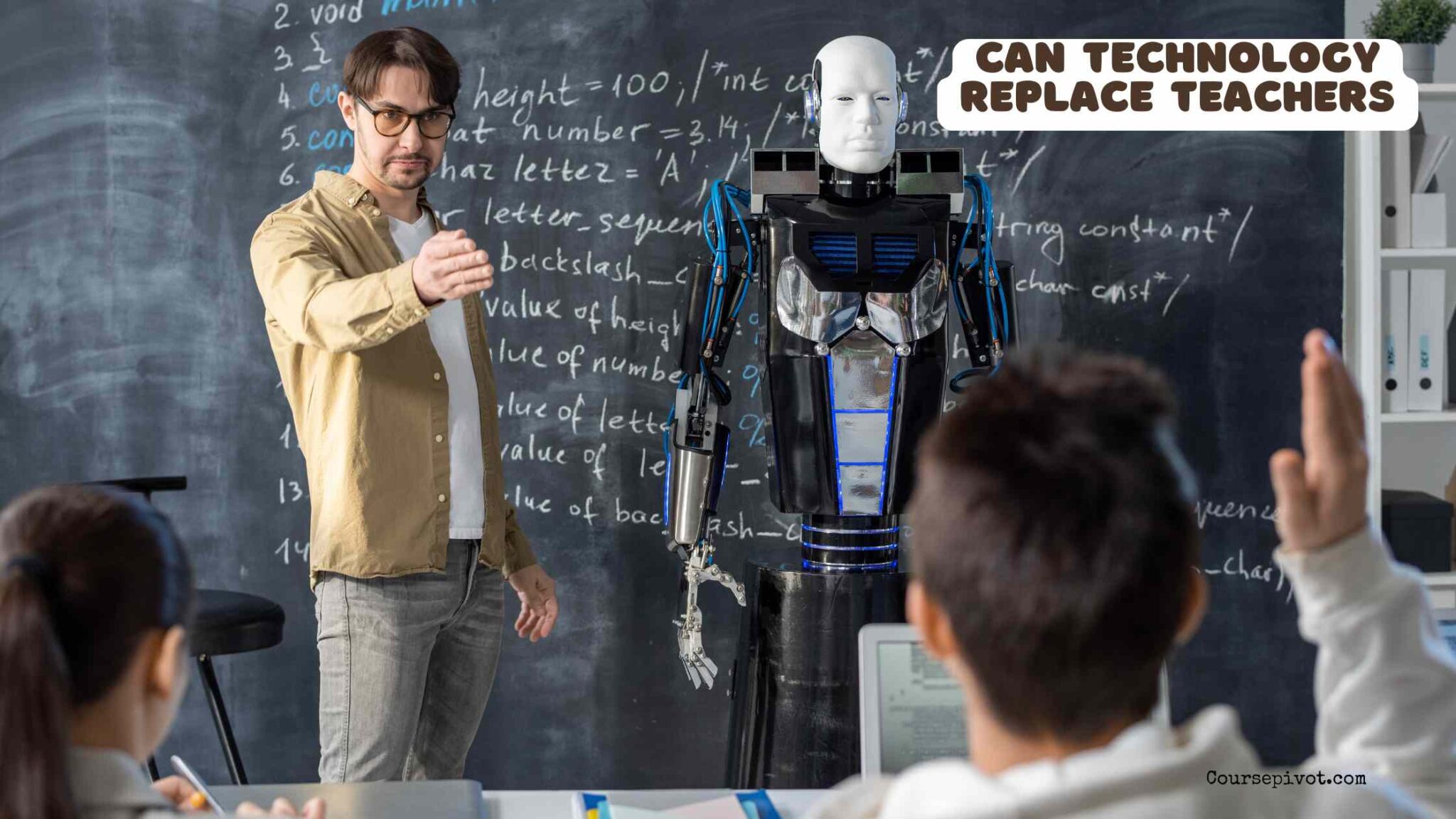
Technology is changing the classroom. Students can now watch recorded lessons, use AI tutors, complete adaptive quizzes, translate text, receive instant feedback, and learn from digital platforms outside normal school hours. Because of this, many people ask whether technology can replace teachers.
The honest answer is more balanced than a simple yes or no. Technology can replace some tasks teachers traditionally performed, especially repetitive, content-based, or administrative tasks. But replacing tasks is not the same as replacing the full role of a teacher.
Technology can replace parts of teaching, but it cannot fully replace the human judgment, care, motivation, and relationship-building that good teachers provide.
Technology Can Deliver Lessons Anytime
One reason technology can replace some teacher functions is that it can deliver lessons without requiring a teacher to be physically present. A student can watch a video lesson, read an interactive module, listen to an audio explanation, or use a learning app at any time.
This is useful when students miss class, need to review a topic, or learn better at their own pace. A recorded explanation can be paused, replayed, slowed down, or watched again before an exam. In that sense, technology can replace the teacher’s role as the only source of direct explanation.
However, a video cannot always know when a student is confused, discouraged, distracted, or pretending to understand. That is where human teaching still matters. A good teacher notices the learner, not just the lesson.
Technology Can Personalize Practice
Digital learning platforms can adjust practice questions based on student performance. If a student keeps missing fractions, vocabulary, grammar, or algebra problems, the platform can provide more practice in that area. If the student performs well, it can move them to harder material.
This kind of personalization is difficult for one teacher to provide manually to every student every minute of the day. Technology can track patterns quickly and give students targeted practice without waiting for the next class period.
AI tools can also explain a concept in different ways. As discussed in how students can use AI in the classroom, students can ask for simpler explanations, examples, quizzes, summaries, or study plans. Used well, this can make learning more flexible and individualized.
Technology Can Give Instant Feedback
Teachers often need time to grade assignments, check homework, and respond to student questions. Technology can provide instant feedback on quizzes, spelling, grammar, coding exercises, math problems, flashcards, and practice tests.
Immediate feedback helps students correct mistakes while the topic is still fresh. Instead of waiting days to discover what went wrong, a student can see the error quickly and try again.
This is one area where technology can replace part of the teacher’s grading role. But it has limits. Automated feedback may tell a student that an answer is wrong without understanding the student’s reasoning, effort, anxiety, or misunderstanding. Human feedback is still important for complex writing, creativity, ethical reasoning, discussion, and personal growth.
Technology Can Expand Access to Learning
Technology can bring lessons to students who may not have easy access to certain teachers, subjects, books, or learning materials. Online courses, open educational resources, video lessons, digital libraries, translation tools, and accessibility features can make learning more available.
For students in remote areas, students with illness, students who need flexible schedules, or students who want advanced topics not offered at school, technology can function like a substitute teacher.
This does not mean every student benefits equally from technology. Access to devices, internet, quiet study space, and digital skills still matters. That is why technology should be used to reduce learning gaps, not create new ones.
Technology Can Reduce Administrative Teaching Work
Teachers do more than teach lessons. They create materials, track attendance, grade routine work, prepare quizzes, organize data, communicate reminders, and manage paperwork. Technology can replace or reduce many of these administrative tasks.
For example, learning platforms can collect assignments, mark simple quizzes, organize grades, identify missed work, and show progress data. AI tools can help draft lesson outlines, simplify texts, generate practice questions, or create classroom activities for review.
This can free teachers to spend more time on the parts of teaching that require human skill: explaining difficult ideas, motivating students, managing classroom relationships, noticing emotional changes, supporting struggling learners, and building trust.
Can Technology Fully Replace Teachers?
Technology can replace teachers in narrow ways, especially when teaching is treated as delivering information, assigning practice, checking answers, or managing routine tasks. In those areas, digital tools can be faster, cheaper, and available at any time.
But education is more than information delivery. Students need encouragement, structure, discipline, empathy, fairness, moral guidance, discussion, and real human connection. UNESCO and other education organizations continue to emphasize human-centered uses of AI and digital tools in schools.
That is why the strongest future is not technology instead of teachers. It is technology supporting better teaching. This connects with the argument in why students need good teachers: the best teachers do more than present content; they shape how students think, work, and grow.
Technology can replace some teacher tasks, but the deeper purpose of teaching still needs human wisdom.