

20 Examples of Invasive Species and Impact on the Environment
Invasive species can damage ecosystems by outcompeting native species, spreading disease, changing habitats, disrupting food webs, and reducing biodiversity.
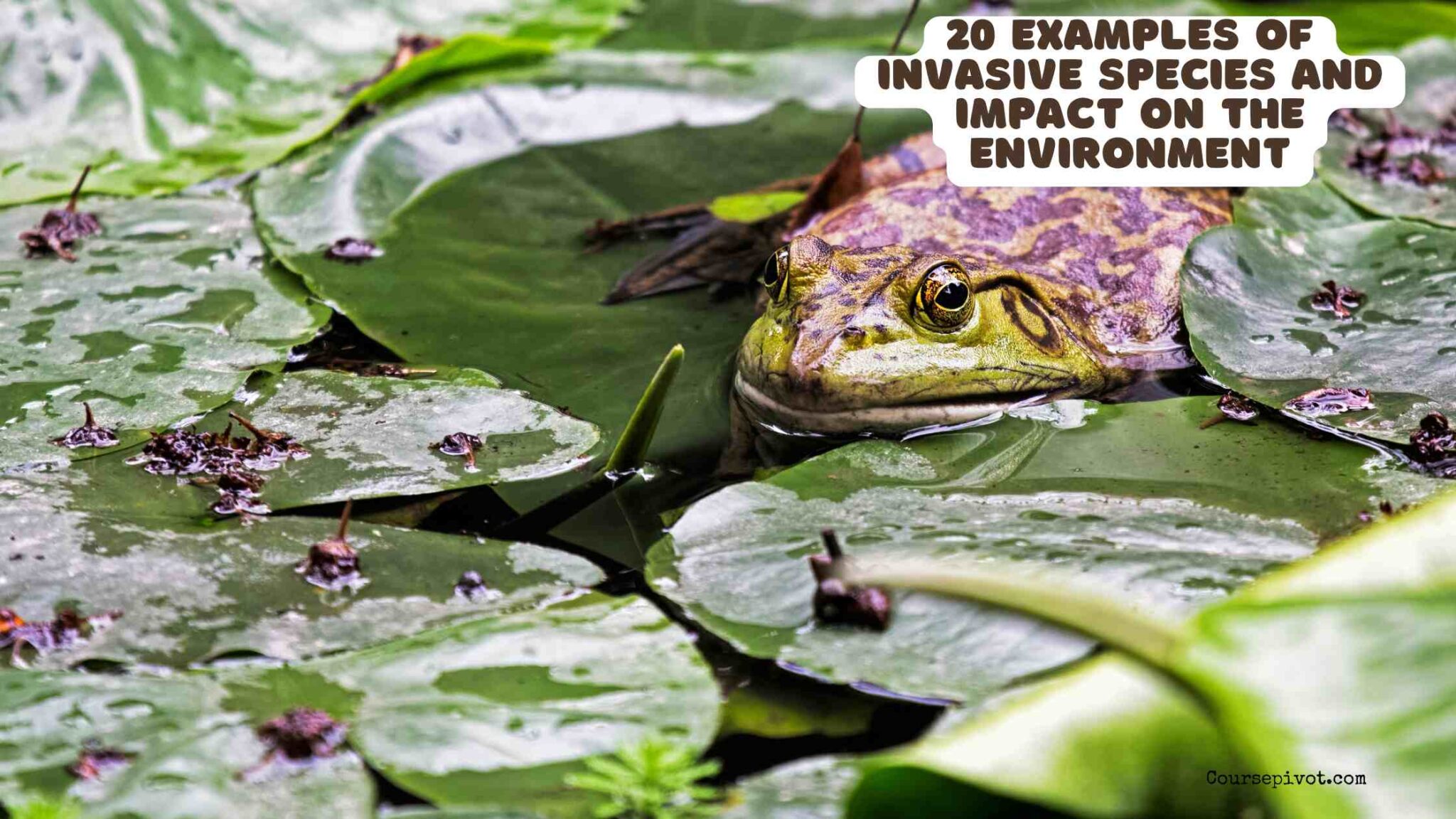
These 20 examples of invasive species and impact on the environment show how one organism can change an entire ecosystem when it spreads outside its native range. Invasive species can be plants, animals, insects, fish, reptiles, mollusks, fungi, or pathogens.
The key word is harm. A non-native species is not automatically invasive. It becomes invasive when it spreads and causes environmental, economic, or health damage. Official environmental agencies such as the USDA, National Park Service, and NOAA describe invasive species as non-native organisms that can harm ecosystems, economies, or human health.
Invasive species are dangerous because they often enter new environments without the predators, diseases, or natural controls that limited them in their original range.
What Is an Invasive Species?
An invasive species is a non-native organism that spreads in a new area and causes harm. The harm may be ecological, economic, social, or health-related.
In environmental science, the most important effects usually include:
- Outcompeting native species for food, light, water, or space.
- Preying on native species that have no defenses.
- Spreading diseases or parasites.
- Changing soil chemistry, water quality, or fire patterns.
- Damaging habitats such as forests, wetlands, reefs, rivers, and grasslands.
- Reducing biodiversity.
- Disrupting food webs.
This connects directly to geography because invasive species are often spread through movement: ships, trade, tourism, agriculture, pets, landscaping, and transport networks. The article on the five themes of geography explains how movement and human-environment interaction help explain environmental change.
20 Examples of Invasive Species and Their Environmental Impact
| Invasive species | Where it has become a problem | Impact on the environment |
|---|---|---|
| 1. Zebra mussel | North America, especially the Great Lakes | Filters huge amounts of plankton, changes aquatic food webs, clogs water systems, and competes with native mussels |
| 2. Quagga mussel | North American lakes and reservoirs | Alters water clarity and nutrient cycling, damages native mussel populations, and affects fish habitat |
| 3. Lionfish | Western Atlantic, Caribbean, and Gulf of Mexico | Eats native reef fish, reduces young fish populations, and disrupts coral reef food webs |
| 4. Burmese python | Florida Everglades | Preys on mammals, birds, and reptiles, causing major declines in some native wildlife populations |
| 5. Cane toad | Australia and some Pacific regions | Poisons native predators that try to eat it and competes with native amphibians |
| 6. Kudzu | Southeastern United States | Smothers trees and shrubs, blocks sunlight, and changes plant communities |
| 7. Japanese knotweed | North America and Europe | Forms dense stands, crowds out native plants, and destabilizes riverbanks |
| 8. Water hyacinth | Freshwater systems in Africa, Asia, and the Americas | Covers water surfaces, reduces oxygen, blocks sunlight, and harms fish and aquatic plants |
| 9. Garlic mustard | North American forests | Crowds out native wildflowers and can disrupt relationships between native plants and soil fungi |
| 10. Purple loosestrife | North American wetlands | Replaces native wetland plants and reduces habitat quality for birds, insects, and amphibians |
| 11. Emerald ash borer | North America | Kills ash trees, changing forest structure and reducing habitat for species that depend on ash |
| 12. Asian longhorned beetle | Parts of North America and Europe | Attacks hardwood trees, threatening forests, urban trees, and maple species |
| 13. Spotted lanternfly | United States and South Korea | Feeds on many plants, weakens trees and vines, and encourages sooty mold growth |
| 14. Red imported fire ant | Southern United States and other warm regions | Displaces native ants, harms ground-nesting wildlife, and changes soil and insect communities |
| 15. Brown tree snake | Guam | Caused severe declines and extinctions of native birds and disrupted island ecosystems |
| 16. Feral cat | Islands and many mainland habitats | Hunts native birds, reptiles, and small mammals, especially where prey evolved without such predators |
| 17. Feral pig | North America, Australia, and island ecosystems | Digs soil, destroys vegetation, spreads disease, and damages wetlands and forests |
| 18. Asian carp | North American river systems | Competes with native fish for plankton and can dominate aquatic food webs |
| 19. Cheatgrass | Western North America | Dries early, increases wildfire frequency, and replaces native grasses and sagebrush communities |
| 20. European starling | North America and other introduced ranges | Competes with native cavity-nesting birds and can affect agricultural and urban ecosystems |
These examples show that invasive species do not all cause damage in the same way. Some are predators, some are competitors, some change habitats, and some alter fire, water, or nutrient cycles.
How Invasive Species Harm Native Biodiversity
One of the biggest environmental impacts of invasive species is biodiversity loss. Biodiversity means the variety of living things in an ecosystem, including plants, animals, fungi, bacteria, and genetic diversity within species.
Invasive species can reduce biodiversity by pushing native organisms out of their normal roles. For example, an invasive plant may grow faster than native plants and block sunlight. An invasive predator may eat native animals that have not evolved defenses against it. An invasive insect may attack a tree species that has no natural resistance.
The damage can spread through the whole food web. If a native plant disappears, the insects that depend on it may decline. If those insects decline, birds that eat them may also decline. Ecosystems are connected, so one invasion can create many secondary effects.
How Invasive Species Change Habitats
Some invasive species do more than compete with native organisms. They physically change the habitat.
For example, zebra and quagga mussels filter water so intensely that they can change water clarity and nutrient patterns. Cheatgrass changes fire behavior by drying early and creating fuel for frequent fires. Feral pigs dig and root through soil, damaging wetlands, forests, crops, and stream edges.
Invasive plants can also change habitats by forming dense stands. Kudzu can cover trees. Japanese knotweed can crowd riverbanks. Water hyacinth can blanket lakes and slow-moving rivers, reducing oxygen and blocking light from reaching underwater plants.
When the habitat changes, native species may no longer find the food, shelter, nesting sites, or water conditions they need.
Why Islands Are Especially Vulnerable
Islands are often more vulnerable to invasive species because island species may evolve with fewer predators, competitors, or diseases. This can make them poorly defended against introduced animals such as snakes, rats, cats, pigs, or insects.
The brown tree snake in Guam is a classic example. After its introduction, it caused severe declines in native bird populations. Island birds that evolved without snake predators were especially vulnerable.
Island ecosystems also have limited space. If an invasive species spreads widely, native species may have nowhere else to go. That is why invasive species are considered one of the major threats to island biodiversity.
Why Invasive Species Are Hard to Control
Invasive species are difficult to control because they often reproduce quickly, spread widely, and become established before people notice the full problem.
Control can involve:
- Prevention and border inspection.
- Public education.
- Cleaning boats, boots, gear, and vehicles.
- Removing invasive plants by hand or machinery.
- Trapping invasive animals.
- Biological control, when carefully tested.
- Chemical control, when appropriate and regulated.
- Long-term monitoring.
Prevention is usually cheaper and more effective than removal. Once an invasive species is established across a large area, eradication may be impossible. Management then focuses on reducing damage and protecting the most important habitats.
The most effective invasive species strategy is stopping introductions before they become permanent ecological problems.
What People Can Do to Reduce the Spread
Ordinary people can help reduce the spread of invasive species in practical ways:
- Clean hiking boots, bikes, boats, and fishing gear after outdoor use.
- Do not release aquarium fish, turtles, snakes, or plants into the wild.
- Plant native species in gardens when possible.
- Avoid moving firewood long distances.
- Report unusual pests or plants to local environmental agencies.
- Follow local rules for boating, hunting, fishing, and camping.
- Keep pets from hunting wildlife, especially in sensitive habitats.
Small actions matter because many invasions begin with ordinary movement. Seeds stick to shoes. Mussel larvae move in ballast water or on boats. Pets escape. Ornamental plants spread beyond gardens. Firewood carries insects. Environmental protection often begins with preventing accidental transport.
The Bottom Line
Invasive species are non-native organisms that spread and cause harm. The 20 examples above show different kinds of impact: predation, competition, disease spread, habitat damage, altered fire cycles, reduced water quality, and biodiversity loss.
The main lesson is that ecosystems are connected. When one invasive species becomes established, the effects rarely stop with one plant or animal. They can ripple through food webs, habitats, economies, and human communities.
That is why invasive species are not just a biology topic. They are also a geography, environmental justice, agriculture, public health, and conservation issue.