

How Fluctuations in Abiotic Cycles Can Influence Populations
Abiotic cycles shape resources and conditions, so changes in those cycles can increase, reduce, or move populations.
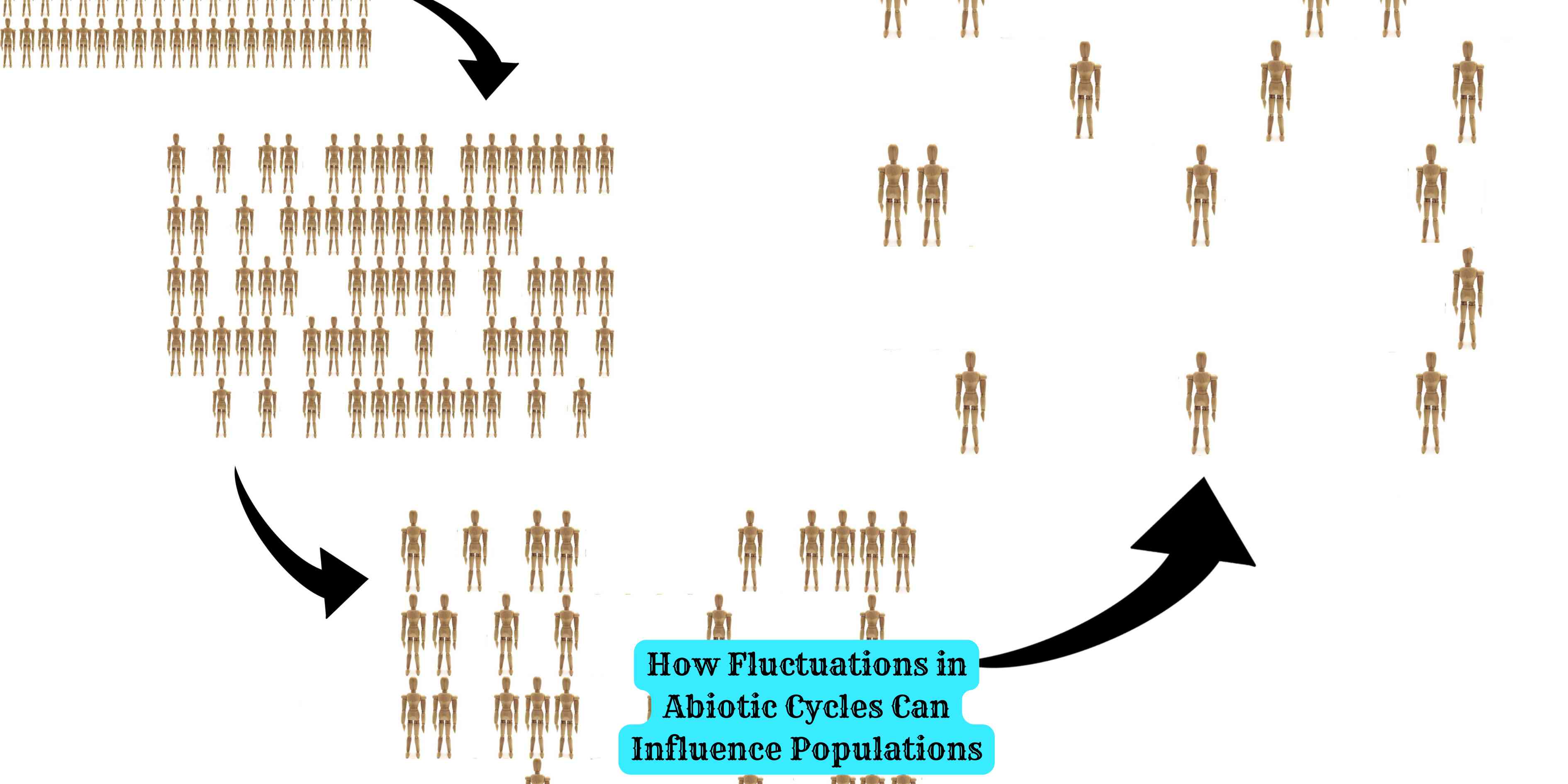
The Short Answer
Fluctuations in abiotic cycles can influence populations by changing the availability of water, nutrients, temperature, oxygen, light, and habitat conditions. When these nonliving factors shift, organisms may reproduce more, die more often, migrate, compete differently, or experience changes in food supply.
Populations respond to abiotic cycles because survival and reproduction depend on the physical and chemical conditions of the environment.
What Abiotic Cycles Are
Abiotic cycles are natural movements of nonliving materials and conditions through ecosystems. Examples include the water cycle, carbon cycle, nitrogen cycle, phosphorus cycle, seasonal temperature cycles, and oxygen cycles in aquatic systems.
These cycles support life by moving resources through air, soil, water, and living organisms. Plants need water, carbon dioxide, sunlight, and nutrients. Animals depend directly or indirectly on those plants and on stable habitat conditions.
When a cycle changes, the effects can move through the whole food web.
Water Cycle Changes
Water availability is one of the strongest controls on populations. Drought can reduce plant growth, dry wetlands, shrink streams, and limit drinking water. Flooding can destroy nests, wash away organisms, or change soil conditions.
In a drought, herbivore populations may decline because plants produce less food. Predators may then decline because prey becomes scarce.
In contrast, a wet year may increase plant growth and temporarily support larger populations of insects, grazing animals, or amphibians.
Nutrient Cycle Changes
Nitrogen and phosphorus are important nutrients for plant growth. If these nutrients are too low, plants may grow slowly, limiting food for herbivores and the animals that eat them.
If nutrients are too high, especially in water, algae blooms can occur. When algae die and decompose, oxygen may fall, harming fish and other aquatic life.
This shows that both too little and too much of an abiotic resource can affect populations.
Carbon Cycle and Climate Effects
The carbon cycle influences climate because carbon dioxide is a greenhouse gas. Changes in atmospheric carbon dioxide can affect temperature, ocean chemistry, plant growth, and weather patterns.
As climate conditions shift, populations may move toward cooler areas, higher elevations, or new habitats. Some species adapt, while others decline if they cannot move or reproduce quickly enough.
Changes in the carbon cycle can therefore influence population ranges, breeding seasons, and survival rates.
Temperature and Seasonal Cycles
Many organisms time reproduction, migration, hibernation, and flowering based on seasonal signals. If temperatures shift earlier or become more extreme, timing can become mismatched.
For example, insects may emerge before birds are ready to feed chicks. Plants may bloom before pollinators are active. Fish may fail to spawn successfully if water temperature changes too much.
Population changes can result from these timing disruptions even when the habitat still appears usable.
Oxygen Cycles in Water
Aquatic populations depend on dissolved oxygen. Oxygen levels can fluctuate with temperature, algae growth, water flow, and decomposition.
Warm water holds less oxygen. Excess nutrients can cause algae blooms that later reduce oxygen. Low oxygen can stress or kill fish, insects, and other aquatic organisms.
When oxygen drops repeatedly, sensitive species may disappear and tolerant species may become more common.
Population Size and Carrying Capacity
Abiotic cycles affect carrying capacity, which is the number of organisms an environment can support. If water, nutrients, oxygen, or suitable temperature declines, carrying capacity may fall.
If conditions improve, carrying capacity may rise, at least temporarily.
Population size often follows these changes with a delay. A good rainy season may increase food first, then herbivores, then predators.
Small fluctuations may only cause short-term changes, while repeated or extreme fluctuations can reshape an ecosystem for years.
Key Takeaway
Fluctuations in abiotic cycles influence populations by changing resources, habitat quality, timing, oxygen, temperature, and nutrient availability.
Because ecosystems are connected, a change in one nonliving cycle can affect plants, animals, microbes, predators, prey, and the overall balance of a community.