

10 Warning Signs of Mold Toxicity
Mold exposure can trigger a wide range of physical and cognitive symptoms — knowing what to look for is the first step toward getting the right help.
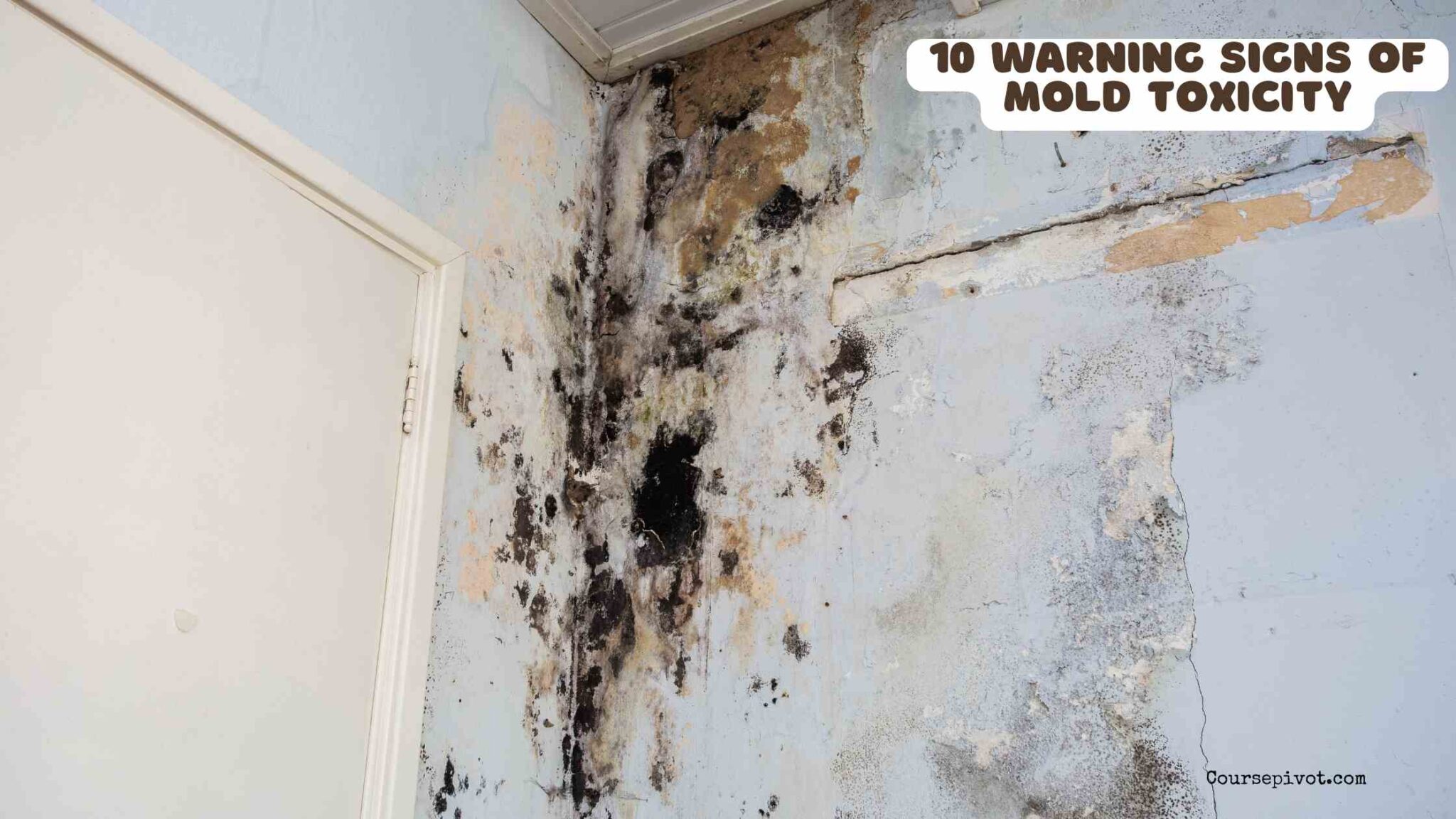
When people search for warning signs of mold toxicity, they are usually dealing with unexplained symptoms that have not responded to standard treatments — or they have recently discovered mold in their home and want to understand whether it could be connected to how they have been feeling.
Mold exposure can affect people very differently. Some people living in mold-affected environments notice no symptoms at all. Others develop a range of physical, cognitive, and emotional symptoms that are difficult to pin down because they overlap with so many other conditions.
The term “mold toxicity” is commonly used to describe the collection of symptoms associated with exposure to mold or mycotoxins — the compounds produced by certain mold types. Symptoms vary widely, many of the signs listed here can have other causes entirely, and a doctor’s evaluation is essential for any accurate diagnosis.
If you suspect mold exposure is affecting your health, the two most important steps are removing the source of exposure and getting a professional medical evaluation.
Here are ten warning signs that are commonly associated with mold toxicity.
1. Chronic Respiratory Problems
One of the most frequently reported signs of mold exposure is persistent respiratory irritation. This can include:
- A chronic cough that does not resolve on its own
- Wheezing or shortness of breath
- A feeling of tightness or heaviness in the chest
- Recurring sinus congestion or pressure
Mold spores are airborne and, when inhaled, can irritate the airways and trigger inflammatory responses in the respiratory system. For people with asthma or existing respiratory conditions, mold exposure can worsen symptoms and make them harder to manage.
Respiratory symptoms that improve noticeably when away from a particular building — and return when you come back — can be a useful indicator that the environment is contributing to the problem.
2. Persistent Fatigue
Fatigue that does not improve with adequate sleep or rest is a commonly reported symptom among people with significant mold exposure. The exhaustion often feels out of proportion to activity level — a full night’s sleep leaving someone feeling no more rested than before they went to bed.
This type of fatigue is thought to relate to the immune system’s sustained activation in response to an ongoing environmental trigger. The body’s effort to manage that exposure consumes energy that leaves little left for normal daily functioning.
If fatigue is persistent, unexplained, and accompanied by other symptoms on this list, the environment is worth investigating as a potential factor.
3. Recurring Headaches
Frequent headaches — particularly those that follow no clear pattern and do not respond well to usual remedies — are another commonly reported sign of mold exposure.
They are often described as a dull pressure similar to a tension or sinus headache, and they tend to recur in the same environments. As with respiratory symptoms, a pattern of headaches that improve when away from a specific location and return upon coming back can be a telling sign worth noting and discussing with a doctor.
4. Cognitive Difficulties and Brain Fog
Difficulties with memory, concentration, and clear thinking — commonly described as “brain fog” — are among the more disruptive potential signs of mold toxicity. People affected may find it hard to focus on tasks, forget things they would normally recall easily, or feel mentally sluggish in a way that does not match their usual functioning.
These cognitive symptoms can be particularly frustrating because they affect daily performance at work or school without an obvious physical explanation.
Quick question: can brain fog from mold exposure be confused with stress-related concentration problems?
Yes, the overlap is significant. Many signs of stress — including poor concentration, fatigue, and mood changes — closely mirror what people with mold exposure report. If stress-reduction strategies are not improving symptoms, and the environment has not been checked, mold is worth investigating as a separate factor alongside stress.
5. Eye, Nose, and Throat Irritation
Persistent irritation of the mucous membranes — itchy, watery, or red eyes; a runny or blocked nose; a sore or scratchy throat — is a common response to airborne mold spores. These symptoms can closely resemble seasonal allergies and are frequently mistaken for hay fever or a minor recurring infection.
The key distinction is that symptoms caused by indoor mold exposure tend to persist year-round, rather than following seasonal outdoor allergen patterns. They may also occur primarily in one specific building or room and ease when time is spent elsewhere.
6. Skin Rashes or Irritation
Some people exposed to mold develop skin reactions including rashes, hives, itching, or general skin sensitivity. These can result from direct contact with mold or as part of a broader immune response to ongoing exposure.
Skin symptoms related to mold tend to appear or worsen in environments where mold is present and often reduce when the person spends extended time away from that environment. An unexplained and recurring rash — especially alongside other symptoms on this list — makes the surrounding environment worth examining.
7. Muscle Aches and Joint Pain
Unexplained muscle aches, joint pain, or a general physical soreness with no clear cause — such as injury or overexertion — can be associated with mold exposure.
These symptoms are thought to relate to inflammatory responses triggered by mycotoxins or prolonged mold spore exposure. The pain is often described as diffuse rather than localized — aching in multiple areas rather than a specific joint — and it may shift or fluctuate without a clear reason.
Like many symptoms on this list, muscle and joint discomfort from mold exposure is difficult to diagnose in isolation because it overlaps with many other conditions. The timing and location pattern of symptoms is often the most useful information.
8. Digestive Issues
Nausea, stomach upset, bloating, and changes in digestion have been reported by people with significant mold exposure. While the connection between mold and digestive symptoms is less immediately obvious than respiratory or cognitive effects, mycotoxins can affect the gut when ingested through contaminated food or, in some cases, when swallowed after inhalation in a heavily mold-affected space.
Digestive symptoms appearing alongside other signs on this list — particularly in someone who has identified mold in their home or workplace — are worth raising with a doctor as part of the broader picture rather than treating in isolation.
9. Mood Changes — Anxiety and Irritability
Increased anxiety, unexplained irritability, or a persistently low or flat emotional state have been reported in association with mold exposure. These are among the hardest symptoms to connect to an environmental cause, because mood changes are so commonly attributed to life circumstances or mental health conditions.
The mechanism is not fully established, but there is growing interest in the relationship between environmental toxin exposure and neurological and mood-related symptoms. If mood changes are occurring alongside physical symptoms and have not responded to other interventions, the environment is a reasonable factor to investigate alongside other possible causes.
10. Heightened Sensitivity to Other Triggers
A less commonly discussed but frequently reported sign of significant mold exposure is a broader sensitivity to other environmental triggers — scents, chemicals, certain foods, or allergens that did not previously cause problems.
This pattern reflects the cumulative effect of ongoing exposure on an immune system that is already in a heightened state of activation. Once sensitized, the system becomes more reactive to stimuli it might otherwise tolerate without issue.
If new sensitivities have developed alongside other symptoms on this list — particularly after moving into a new home or spending extended time in a new building — mold exposure is a reasonable possibility worth investigating.
The symptoms associated with mold toxicity are wide-ranging and often non-specific, which is exactly what makes them easy to overlook or misattribute. If several of these signs are present at the same time, particularly in a pattern that improves away from a specific environment, mold exposure is a possibility that warrants proper investigation.
Getting the environment professionally tested and seeking medical evaluation are the two most important next steps. Many symptoms improve significantly once the source of exposure is identified and removed.