

10 Reasons Not to Get Dental Implants
Dental implants are often described as the gold standard for tooth replacement. But they are not the right choice for everyone. These ten reasons explain when and why implants may not be the best option.
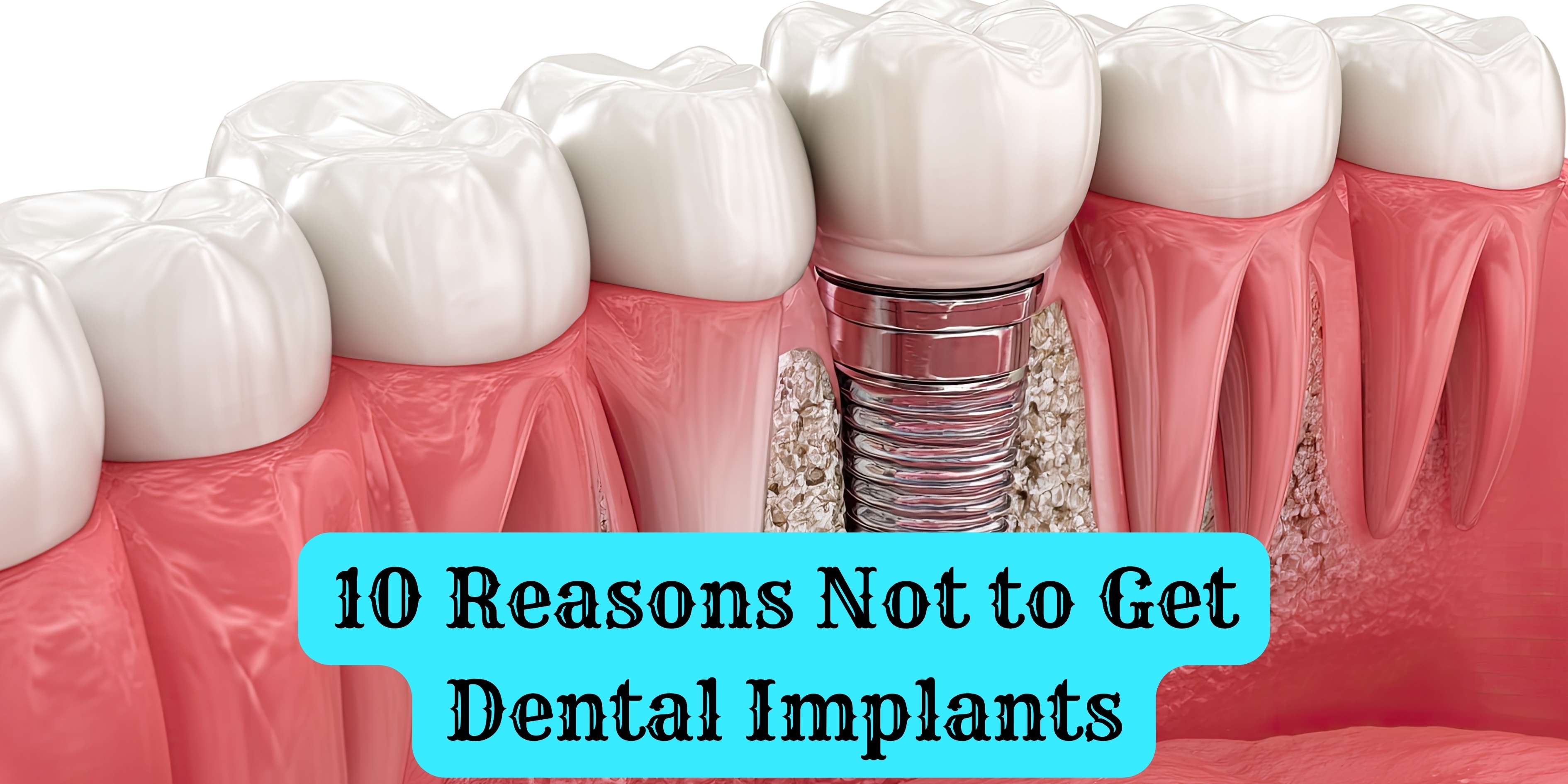
Dental implants are the most durable and natural-feeling solution for missing teeth, and for many patients they are the best long-term choice. But they are also expensive, require surgery, demand adequate bone density, have a lengthy healing process, and are contraindicated for certain medical conditions. These ten reasons explain when dental implants may not be the right choice — to help patients and prospective recipients make a genuinely informed decision rather than defaulting to the most marketed option.
1. The Cost Is Prohibitive for Many Patients
A single dental implant in the United States typically costs between $3,000 and $6,000, including the implant post, abutment, and crown. Multiple implants — as needed for patients replacing several teeth — multiply this cost. Most dental insurance plans either do not cover implants at all or cover only a portion of the cost, leaving the majority as an out-of-pocket expense. For patients without substantial savings or access to financing, the cost alone may make implants genuinely inaccessible. High-quality dentures or dental bridges represent significantly more affordable alternatives that can achieve adequate functional and aesthetic results.
2. The Surgery Carries Real Risks
Dental implant placement is a surgical procedure — and all surgical procedures carry risks. Specific risks associated with dental implant surgery include infection at the implant site, damage to adjacent teeth or surrounding structures, nerve damage producing numbness or tingling, sinus problems when upper jaw implants intrude into sinus cavities, and implant failure requiring removal. While serious complications are uncommon when the procedure is performed by a qualified oral surgeon or periodontist, they are not zero — and patients with certain risk factors face higher probability of complications.
3. Significant Healing Time Is Required
The full dental implant process — from extraction or preparation to placement to full integration — takes several months to over a year in many cases. After the implant post is placed in the jawbone, the process of osseointegration (the bone fusing to the implant) takes three to six months before the crown can be placed. This extended timeline is a significant practical consideration for patients who need functional teeth promptly or who cannot commit to multiple appointments over many months.
4. Inadequate Bone Density May Make Them Impossible
Dental implants require adequate bone density in the jaw to anchor securely. Patients who have experienced significant bone loss — common after tooth loss, gum disease, or certain medical conditions — may not have sufficient bone to support an implant without bone grafting. Bone grafting adds cost, additional surgery, and additional healing time (often six months to a year before the implant can be placed). In cases of severe bone loss, sufficient bone may not be achievable, making implants an anatomically unavailable option regardless of patient preference.
5. Certain Medical Conditions Increase Risk or Preclude Implants
Several medical conditions increase the risk of implant failure or are considered contraindications to the procedure. Uncontrolled diabetes impairs healing and increases infection risk, reducing osseointegration success rates. Patients taking bisphosphonate medications for osteoporosis face a risk of osteonecrosis of the jaw — bone death — which is a serious complication associated with surgical procedures in the jaw. Autoimmune conditions, blood clotting disorders, and certain cancer treatments (especially radiation to the jaw) also affect candidacy. Patients in these categories should discuss the risks carefully with both their dentist and their medical provider.
6. Heavy Smokers Have Significantly Lower Success Rates
Tobacco use is one of the most significant risk factors for implant failure. Smoking impairs blood flow, delays healing, increases infection risk, and significantly reduces osseointegration success. Studies consistently find that dental implant failure rates are two to three times higher in smokers than in non-smokers. Patients who smoke and are unwilling or unable to quit are not ideal implant candidates, and some dentists decline to place implants in active smokers.
7. Osseointegration Failure Can Require Removal and Replacement
Even in carefully selected patients without known risk factors, osseointegration sometimes fails — the implant does not integrate successfully with the bone and must be removed. Depending on the cause of failure, the process may need to be repeated with additional healing time, additional bone grafting, or may not be repeatable at all. Patients who experience implant failure go through the expense, recovery, and uncertainty of the procedure again without a guaranteed outcome.
8. Young Patients Should Wait Until Jaw Development Is Complete
Dental implants should not be placed in patients whose jaw bone is still developing — typically until the late teens or early twenties depending on individual development. Placing an implant in a developing jaw can lead to the implant being in the wrong position relative to adjacent teeth as the jaw continues to grow. Young patients who have lost teeth are better served by temporary solutions — such as retainers with prosthetic teeth, or Maryland bridges — until their jaw development is complete.
9. Maintenance Is Required and Implants Are Not Indestructible
While dental implants are the most durable tooth replacement option, they are not indestructible and are not truly maintenance-free. Implants require the same oral hygiene care as natural teeth — brushing, flossing, and regular dental cleanings — plus specific attention to peri-implant health (the health of the gum and bone around the implant). Peri-implantitis — an inflammatory condition affecting the tissues around implants, analogous to gum disease around natural teeth — can lead to bone loss and implant failure if not addressed. The crown component of an implant also typically lasts 10-15 years before needing replacement.
10. Excellent Alternatives Exist at Lower Cost and Risk
For patients who are not good implant candidates or who cannot access implant treatment, dental bridges and full or partial dentures offer functional, aesthetically adequate tooth replacement without surgery or the associated risks. Modern dentures have improved dramatically in function and aesthetics; implant-supported dentures offer a middle option that provides better retention than traditional dentures without the cost of individual implants for each tooth. The right choice depends on the patient’s specific clinical situation, health history, budget, and tolerance for surgical risk — not on which option is most commonly marketed as the superior solution.