

10 Effects of Emotional Abuse on Men
Emotional abuse can affect men's confidence, mental health, relationships, safety, identity, and ability to seek support, even when there is no physical violence.
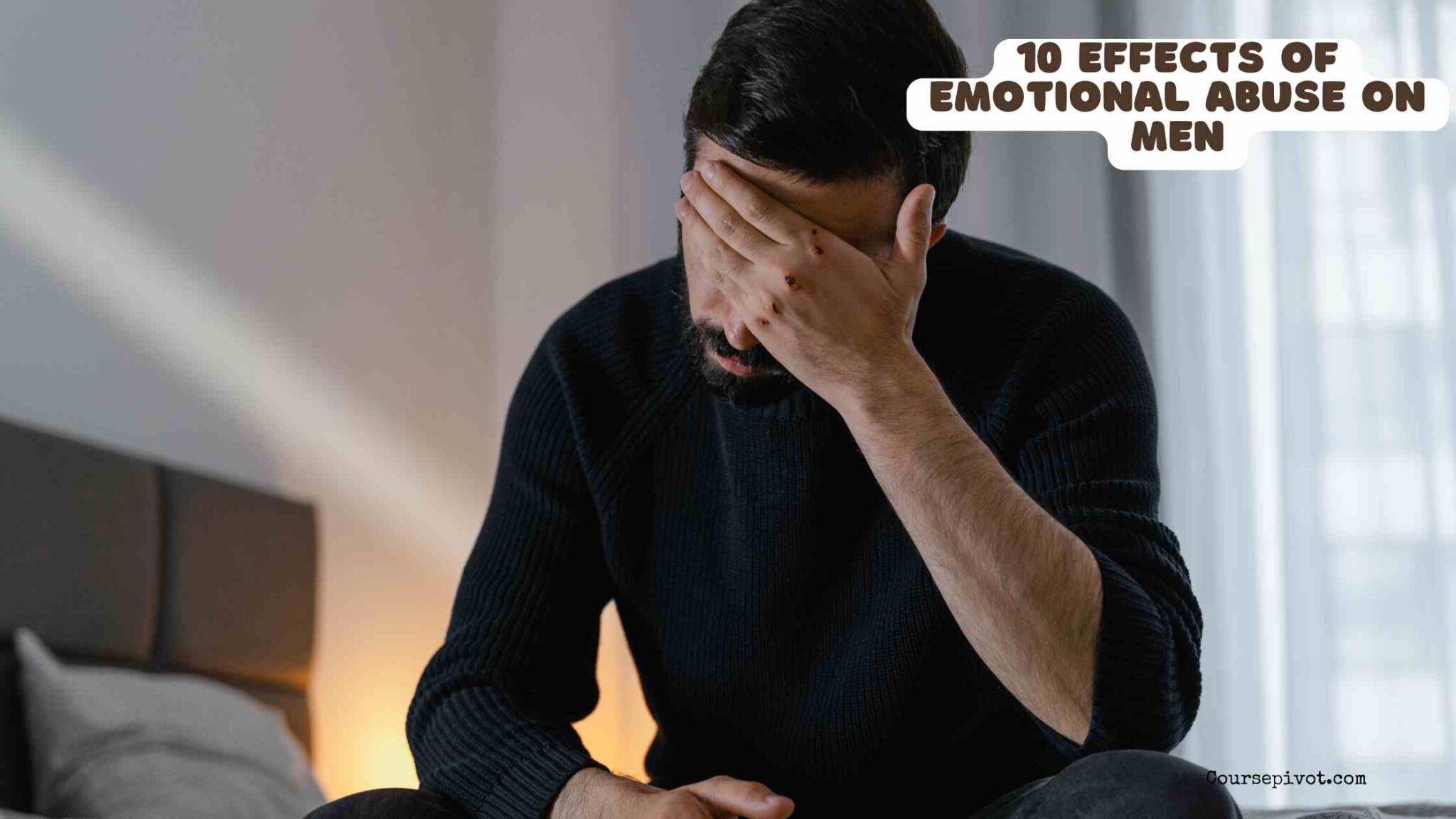
Emotional abuse is a repeated pattern of words, actions, threats, control, blame, humiliation, isolation, or manipulation that harms another person’s confidence, freedom, and emotional wellbeing. Men can experience emotional abuse in dating relationships, marriages, family relationships, friendships, workplaces, and same-sex or opposite-sex partnerships.
Because men are often expected to be tough, silent, or unaffected, emotional abuse against men is sometimes minimized. That can make the harm harder to name and harder to report.
If you are in immediate danger, call emergency services. In the United States, the National Domestic Violence Hotline is available at 1-800-799-7233, by texting START to 88788, or through online chat at thehotline.org.
Emotional abuse can harm men deeply because it attacks confidence, judgment, identity, safety, and trust while often being dismissed as “not real abuse.”
1. Loss of Confidence
One common effect of emotional abuse on men is a slow loss of confidence. This can happen when a partner, family member, or other person repeatedly criticizes his intelligence, appearance, income, parenting, sexuality, masculinity, career, or personal choices.
At first, he may argue back or try to prove himself. Over time, he may start to believe he is failing at everything. He may stop making decisions, avoid speaking honestly, or feel as if nothing he does is good enough.
This loss of confidence is not weakness. It is often the result of repeated emotional pressure. When someone is constantly put down by a person close to them, the criticism can begin to feel like truth.
2. Shame and Embarrassment
Many men feel intense shame when they are emotionally abused. They may think they should have been able to stop it, ignore it, laugh it off, or “handle it like a man.”
This shame can be especially strong if the abuse comes from a romantic partner. A man may worry that friends, family, police, doctors, or counselors will not believe him. He may fear being mocked, blamed, or treated as the aggressor.
Shame keeps many men silent. It can make them hide the abuse, defend the abuser, minimize what happened, or avoid asking for help even when the relationship is damaging their health.
But abuse is not less serious because the victim is male. Emotional harm does not depend on gender.
3. Anxiety and Walking on Eggshells
Emotional abuse often creates constant anxiety. A man may feel as if he has to monitor every word, facial expression, delay, text message, purchase, or social interaction to avoid criticism or conflict.
This is sometimes described as walking on eggshells. The person being abused becomes focused on preventing the next argument, insult, accusation, silent treatment, or emotional punishment.
Anxiety may show up as:
- Racing thoughts
- Trouble sleeping
- Fear of coming home
- Checking messages repeatedly
- Avoiding normal activities
- Feeling tense around the other person
- Overexplaining simple choices
The body may stay on alert even when nothing obvious is happening.
4. Depression and Hopelessness
Emotional abuse can wear down a man’s sense of possibility. If he is repeatedly told that he is worthless, selfish, unattractive, weak, stupid, or impossible to love, he may begin to feel trapped and hopeless.
Depression may look like sadness, numbness, irritability, low motivation, exhaustion, isolation, or loss of interest in work, hobbies, sex, friendships, or parenting. Some men do not describe themselves as depressed; they may say they feel empty, angry, tired, or stuck.
If depression includes thoughts of self-harm or suicide, urgent support matters. In the United States, calling or texting 988 connects people to the Suicide and Crisis Lifeline.
Depression linked to abuse is not a personal failure. It is often a sign that the relationship has been harming emotional safety for a long time.
5. Confusion and Self-Doubt
Gaslighting can make emotional abuse especially confusing. Gaslighting happens when someone repeatedly denies reality, twists events, blames the victim, or insists that the victim is crazy, unstable, too sensitive, or abusive for objecting.
A man may start keeping screenshots, replaying conversations, recording details, or asking others whether he is overreacting. He may know something is wrong but feel unable to explain it clearly.
This confusion can become worse if the abusive person is charming in public or tells others a different version of events. The man may feel isolated because people outside the relationship do not see what happens privately.
Coursepivot’s guide on the difference between violence and abuse explains why abuse is often a pattern of control and harm, not just one obvious incident.
6. Isolation From Support
Emotional abuse often includes isolation. A man may be discouraged from seeing friends, contacting family, going out, playing sports, using social media, or spending time with coworkers.
Sometimes isolation is direct: “You cannot see them.” Other times it is indirect: every time he spends time with others, he is accused, shamed, interrogated, mocked, or punished afterward.
Isolation can also happen when the man hides the relationship because he feels embarrassed. He may stop telling people what is happening because he expects them to minimize it.
The result is the same: fewer safe people, fewer outside perspectives, and fewer practical options if he decides to leave.
7. Anger, Irritability, or Emotional Shutdown
Men affected by emotional abuse may respond in different ways. Some become more irritable. Some shut down emotionally. Some avoid conflict completely. Others feel angry but do not know how to express it safely.
These reactions can be misunderstood. A man may be judged only by his visible anger while the emotional abuse that triggered chronic stress remains hidden.
Anger does not justify harmful behavior. But it can be a signal that something is wrong, especially when a person has been insulted, controlled, threatened, or blamed repeatedly.
Emotional shutdown is also common. A man may stop sharing feelings because vulnerability has been used against him. He may answer with short responses, avoid difficult topics, or feel emotionally numb.
8. Physical Stress Symptoms
Emotional abuse can affect the body. Chronic stress may contribute to headaches, stomach problems, chest tightness, muscle tension, fatigue, appetite changes, sleep disruption, and difficulty concentrating.
Some men may cope through alcohol, drugs, overworking, compulsive exercise, risky behavior, or emotional withdrawal. These coping strategies may reduce pain briefly but can create new problems over time.
Physical symptoms deserve attention. A doctor, therapist, or support advocate can help a man understand whether stress, trauma, anxiety, depression, or another health issue may be involved.
If the emotional abuse includes threats, stalking, sexual coercion, physical violence, or control over money, housing, children, or immigration status, the situation should be treated as a safety issue.
9. Difficulty Trusting Future Relationships
After emotional abuse, trust can feel dangerous. A man may struggle to believe compliments, affection, apologies, or promises. He may expect criticism even from people who are trying to be kind.
Trust problems can show up as avoiding dating, becoming overly guarded, testing people, fearing commitment, or ignoring healthy affection because it feels unfamiliar.
This does not mean he is damaged forever. It means his nervous system and judgment have been shaped by a relationship where closeness became unsafe.
Healing often involves learning the difference between normal conflict and emotional abuse. Normal conflict allows both people to speak, take responsibility, and repair. Abuse repeatedly makes one person smaller, afraid, controlled, or blamed.
10. Difficulty Asking for Help
One of the most serious effects of emotional abuse on men is difficulty asking for help. Many men hesitate because they fear not being believed, being laughed at, losing custody, being accused, or being told that emotional abuse is not serious.
There may also be fewer visible resources for male victims in some communities. That does not mean help does not exist. Domestic violence hotlines, therapists, doctors, legal advocates, trusted friends, and crisis services can still be important starting points.
If you are a man experiencing emotional abuse, consider taking practical steps quietly and safely:
- Tell one trusted person what is happening.
- Save important documents and evidence in a secure place.
- Speak with a domestic violence advocate before confronting the abuser.
- Contact a therapist, doctor, or crisis service if your mental health is worsening.
- Call emergency services if there is immediate danger.
- Create a safety plan if leaving could escalate the abuse.
You do not need to prove that the abuse is severe enough before you are allowed to protect your safety, health, dignity, and peace.
Emotional abuse can affect men in real and lasting ways, but recovery is possible. Support, safety planning, therapy, trusted relationships, and time can help a man rebuild confidence, clarity, and control over his own life.