

10 Common Effects of Emotional Abuse on Woman
Emotional abuse can affect a woman's confidence, mental health, relationships, decision-making, safety, and sense of identity, even when there is no physical violence.
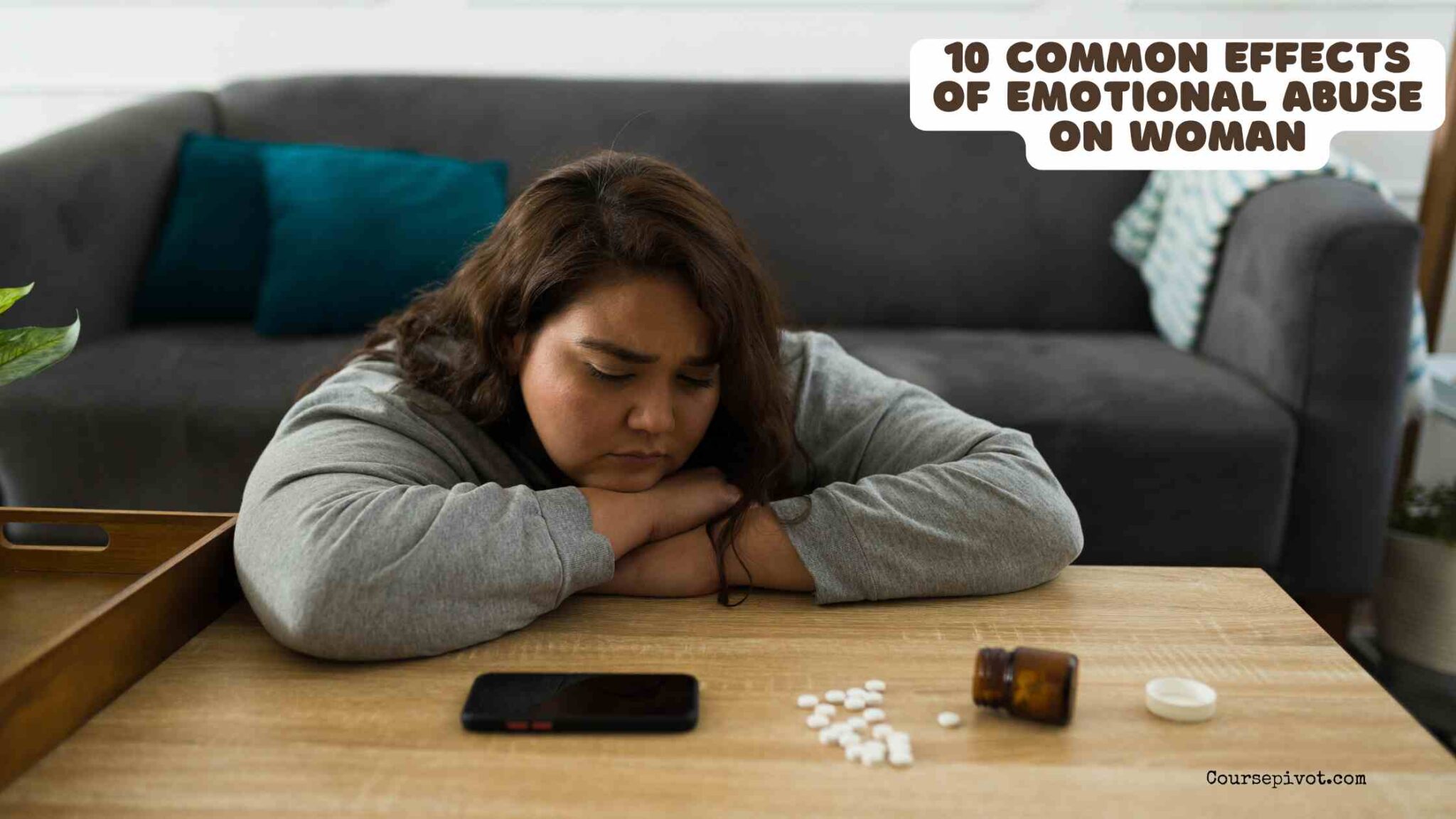
Emotional abuse is a pattern of behavior that uses criticism, humiliation, threats, blame, control, isolation, gaslighting, or intimidation to weaken another person’s confidence and independence. It can happen in dating relationships, marriages, families, workplaces, friendships, or any relationship where one person misuses emotional power over another.
This article focuses on women because many women experience emotional abuse in intimate relationships, but emotional abuse can affect anyone. If there is immediate danger, call emergency services. In the United States, the National Domestic Violence Hotline is available at 1-800-799-7233, by texting START to 88788, or through online chat at thehotline.org.
Emotional abuse can be deeply harmful even when no one is hit, because it attacks a person’s confidence, reality, safety, and freedom from the inside out.
1. Loss of Self-Confidence
One common effect of emotional abuse on a woman is a gradual loss of self-confidence. This can happen when she is repeatedly criticized, mocked, compared to others, blamed, or told that her thoughts and feelings are wrong.
At first, she may argue back or defend herself. Over time, she may begin to doubt her own judgment. She may stop trusting her decisions, appearance, intelligence, parenting, career choices, friendships, or basic ability to handle life.
This loss of confidence is not weakness. It is often the result of repeated psychological pressure. When someone hears negative messages again and again from a partner or trusted person, those messages can start to feel true.
Rebuilding confidence usually takes time, safety, support, and small decisions that restore a sense of control.
2. Anxiety and Constant Fear
Emotional abuse can make a woman feel as if she is always waiting for the next argument, insult, punishment, silent treatment, or accusation. This can create constant anxiety.
She may monitor the abuser’s mood, tone of voice, facial expression, messages, or movements. She may try to prevent conflict by becoming overly careful, quiet, agreeable, or apologetic.
Common anxiety-related effects include:
- Racing thoughts
- Trouble relaxing
- Fear of saying the wrong thing
- Panic when the phone rings
- Feeling tense at home
- Overthinking simple decisions
- Difficulty sleeping
This kind of fear can continue even after the relationship ends, especially if the abuse included threats, stalking, financial control, or custody-related intimidation.
3. Depression and Emotional Exhaustion
Emotional abuse can drain a woman’s emotional energy. When she is repeatedly criticized, dismissed, controlled, or made to feel worthless, she may begin to feel hopeless.
Depression may show up as sadness, numbness, crying often, lack of motivation, loss of interest in things she used to enjoy, low energy, or feeling trapped. Some women describe the experience as “disappearing” inside the relationship.
Emotional exhaustion can also make daily tasks feel harder. Work, school, parenting, friendships, and basic self-care may become overwhelming because so much energy is spent surviving the relationship.
If depression includes thoughts of self-harm or suicide, it is important to seek urgent help. In the United States, calling or texting 988 connects people to the Suicide and Crisis Lifeline.
4. Confusion and Self-Doubt
Gaslighting is one of the most confusing forms of emotional abuse. It happens when someone repeatedly denies reality, twists facts, minimizes harm, or makes the victim question her memory and judgment.
Examples may include:
- “That never happened.”
- “You’re too sensitive.”
- “You made me do this.”
- “Everyone thinks you’re the problem.”
- “You’re imagining things.”
- “I only said that because you pushed me.”
Over time, a woman may stop trusting her own memory. She may keep screenshots, replay conversations, ask others for reassurance, or feel unable to decide whether something was truly abusive.
The guide on the difference between violence and abuse explains why abuse is often a pattern, not just one obvious incident.
5. Isolation From Friends and Family
Emotional abuse often becomes easier to maintain when the victim is isolated. An abusive partner may criticize her friends, create conflict with relatives, monitor her phone, make her feel guilty for going out, or punish her for spending time with other people.
Sometimes isolation is direct: “You are not allowed to see them.” Other times it is indirect: every visit leads to accusations, anger, silent treatment, or emotional punishment afterward.
Isolation makes abuse more dangerous because it cuts off support. Without outside perspective, a woman may be more likely to believe the abuser’s version of reality. She may also have fewer people to call if she needs help leaving.
Reconnecting with safe people is often an important part of recovery. Even one trustworthy person can help reduce the feeling of being trapped.
6. Shame and Self-Blame
Many women affected by emotional abuse blame themselves. They may think, “If I were calmer, smarter, prettier, quieter, more patient, or more loving, this would stop.”
Abusers often encourage this belief. They may say the victim caused the abuse, deserved the reaction, misunderstood the situation, or forced them to behave badly. This shifts responsibility away from the person choosing harmful behavior.
Shame can keep a woman silent. She may worry that others will judge her for staying, leaving, going back, hiding the abuse, or not recognizing it sooner.
But the responsibility for abuse belongs to the person using abusive behavior. A victim may have normal human flaws, but flaws do not justify emotional cruelty, control, threats, humiliation, or manipulation.
7. Trauma Symptoms
Emotional abuse can cause trauma symptoms, especially when it is repeated, unpredictable, or connected to threats and fear. Trauma does not require physical assault. Psychological danger can also overwhelm the nervous system.
Trauma symptoms may include flashbacks, nightmares, emotional numbness, irritability, sudden crying, difficulty concentrating, feeling detached, or strong reactions to reminders of the abuse.
A woman may also feel unsafe long after leaving. A certain ringtone, phrase, smell, place, or tone of voice may bring back fear. This does not mean she is “overreacting.” It means her body learned to associate certain cues with danger.
Professional support from a trauma-informed therapist, advocate, doctor, or support organization can help.
8. Physical Health Stress
Emotional abuse affects the body as well as the mind. Chronic stress can contribute to headaches, stomach problems, muscle tension, sleep disruption, fatigue, appetite changes, and weakened concentration.
Some women also delay medical care because the abuser controls money, transportation, insurance, privacy, or time. Others may feel too exhausted or ashamed to explain what is happening.
The body often carries stress before the person has words for it. A woman may not immediately identify the relationship as abusive, but her body may respond with tension, insomnia, pain, or constant exhaustion.
Medical care can be important, especially when stress symptoms are severe or when abuse overlaps with physical violence, sexual coercion, reproductive control, or threats.
9. Difficulty Trusting Again
After emotional abuse, trust can feel risky. A woman may struggle to trust future partners, friends, family members, coworkers, or even herself.
This is understandable. Emotional abuse often involves betrayal by someone who was supposed to care, protect, or love. If the abuser was charming in public or kind between episodes of cruelty, the confusion can make trust even harder.
Difficulty trusting may show up as avoiding relationships, expecting rejection, testing people, ignoring healthy affection, or feeling suspicious when someone is kind.
Healing does not mean trusting everyone quickly. It means learning to trust gradually, notice consistent behavior, set boundaries, and listen to warning signs without living in constant fear.
10. Trouble Leaving or Moving Forward
People sometimes ask why a woman does not simply leave an emotionally abusive relationship. That question misunderstands how abuse works.
Leaving can be complicated by fear, finances, children, housing, immigration status, family pressure, religious pressure, trauma bonding, threats, love, shame, or hope that the person will change. Emotional abuse can also make a woman doubt whether she deserves better.
Moving forward may require a safety plan, money, documents, transportation, legal advice, counseling, child support planning, and confidential help. Direct confrontation is not always safe, especially if the person has threatened violence, stalking, custody harm, or self-harm.
If you recognize several of these effects, consider talking privately with a domestic violence advocate, therapist, doctor, trusted friend, or local support service. You do not need to prove the abuse perfectly before you are allowed to seek help.
The most important question is not whether the abuse is “bad enough.” The important question is whether the relationship is harming your safety, health, freedom, and sense of self.
Emotional abuse can leave real wounds, but recovery is possible. Safety, support, time, professional help, and trustworthy relationships can help a woman rebuild confidence, clarity, and peace.