

When a Person Blacks Out: Why the Hippocampus Fails to Record Memories
During many blackouts, especially alcohol-related blackouts, the hippocampus cannot properly encode new memories, so events may happen without being stored for later recall.
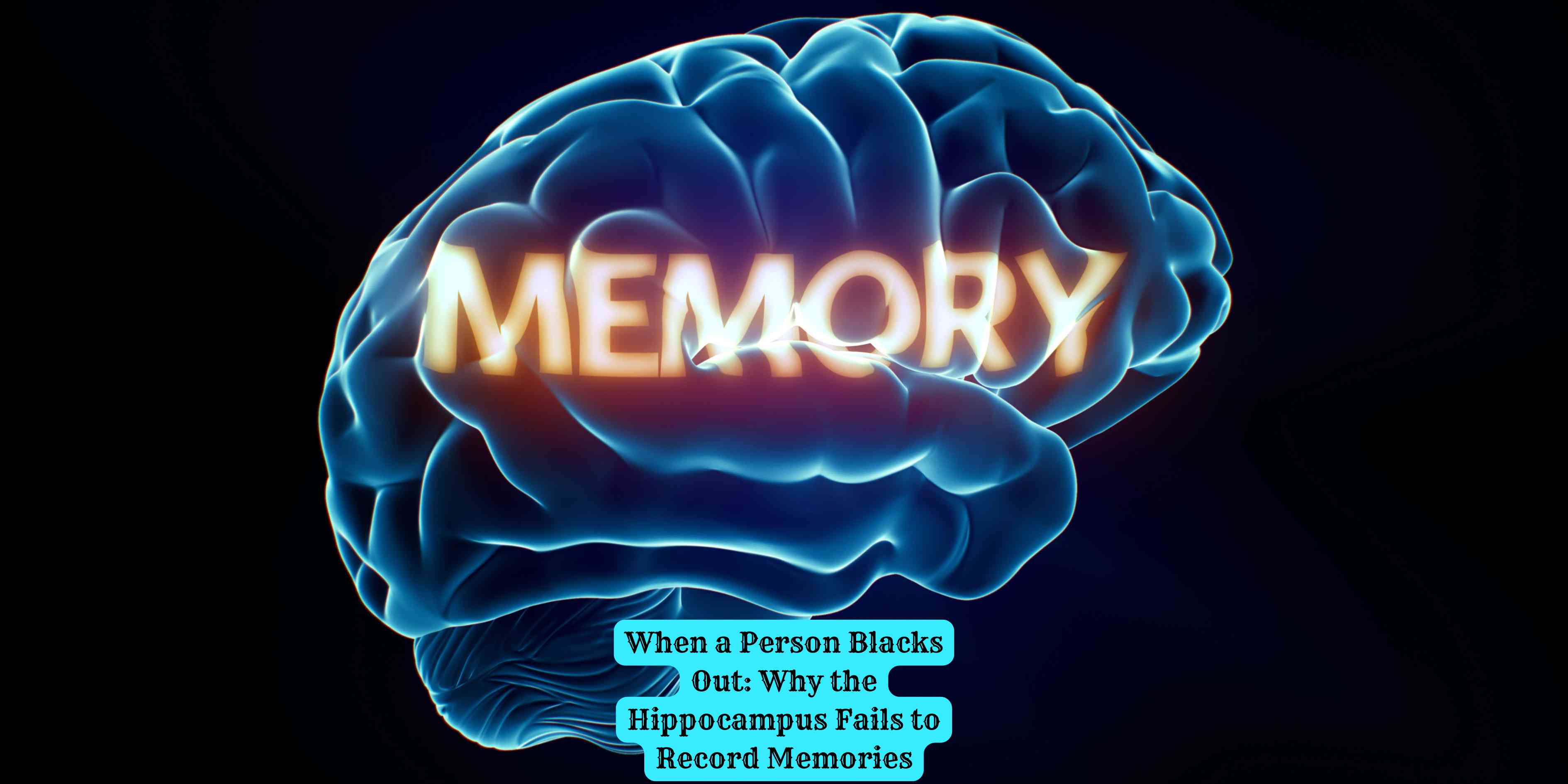
When a person blacks out, they may appear awake, talk, walk, or make decisions, but later cannot remember what happened. In many alcohol-related blackouts, this happens because the hippocampus, a brain region essential for forming new memories, is disrupted and fails to record events properly.
A blackout is not the same as passing out. Passing out means losing consciousness. A memory blackout means the person may remain conscious but the brain does not store parts of the experience as long-term memory.
The hippocampus fails to record memories during many blackouts because alcohol or another brain-disrupting event interferes with the process of turning short-term experience into lasting memory.
This article is educational and does not replace medical care. Seek urgent help if a blackout happens with head injury, seizure, fainting, confusion, trouble breathing, weakness, chest pain, suspected overdose, or alcohol poisoning symptoms.
The Short Answer
The hippocampus helps convert experiences into new long-term memories. During a blackout, especially after rapid heavy drinking, that memory-recording process can be disrupted.
The person may still be awake enough to speak, move, laugh, argue, travel, text, or make choices. But later, the memories are missing because they were not properly encoded in the first place.
This is why people often cannot “try harder” to remember a true blackout. The memory may not be hidden; it may never have been stored.
Alcohol is a common cause of blackouts, but it is not the only one. Head injury, seizures, fainting, some medications, sedatives, drug use, sleep disorders, and certain medical problems can also cause memory gaps or loss of awareness.
Repeated blackouts are a warning sign and should be taken seriously.
What the Hippocampus Does
The hippocampus is a structure deep in the brain that plays a major role in learning and memory. It helps the brain form new memories of events, places, conversations, and experiences.
One simple way to think about the hippocampus is as part of the brain’s recording and filing system. It helps take what is happening now and turn it into something you can remember later.
The hippocampus does not work alone. Memory involves many brain areas, including attention systems, the prefrontal cortex, emotion centers, and sensory areas. But the hippocampus is especially important for forming new episodic memories, which are memories of personal experiences.
If the hippocampus is disrupted, a person may still use older memories and habits. They may know how to talk, walk, open a door, or call a friend. But the brain may fail to save new events from that period.
That is why blackout behavior can be confusing. Someone may look present in the moment but later have no memory of being present.
Blackout vs Passing Out
The word blackout is often used in two different ways. This can create confusion.
In everyday speech, some people say blackout to mean fainting or losing consciousness. Medically, alcohol-related blackouts usually refer to memory loss during a period when the person was awake.
Passing out means the person loses consciousness. They may collapse, stop responding, or need emergency evaluation depending on the cause.
A memory blackout means the person may remain conscious and active, but the brain fails to create reliable memory for what happened.
Both situations can be serious. A person who passes out may have a heart, blood pressure, neurological, dehydration, medication, or injury problem. A person who has a memory blackout may be at high risk for injury, assault, unsafe decisions, alcohol poisoning, or other harm.
If someone is not fully awake but breathing, this article on why to use the recovery position explains a first-aid step that may help protect the airway while waiting for help.
How Alcohol Disrupts Memory Recording
Alcohol can affect the brain quickly. As blood alcohol concentration rises, judgment, coordination, reaction time, attention, and memory can all be impaired.
Blackouts are especially linked with rapid increases in blood alcohol concentration. Drinking a large amount quickly, drinking on an empty stomach, taking shots, mixing alcohol with sedatives, or drinking more than intended can raise the risk.
Alcohol affects communication between brain cells. It can interfere with neurotransmitter systems involved in learning and memory, including glutamate and GABA-related activity. When these systems are disrupted, the hippocampus may fail to encode new memories normally.
The person may still have short fragments of memory, or no memory for a period. Some blackouts are fragmentary, where cues may bring back pieces. Others are en bloc blackouts, where memory for a period is essentially absent and cannot be recovered.
NIAAA emphasizes that alcohol-induced blackouts can happen to anyone who drinks, regardless of age or drinking experience. They are not a harmless sign of a fun night. They indicate that alcohol has significantly disrupted brain function.
Why the Person May Still Seem Awake
During a blackout, older memory systems and automatic behaviors may still work. A person can sometimes hold conversations, walk, dance, eat, use a phone, or travel from one place to another.
This happens because not all brain functions shut down at once. The person may be conscious, but memory encoding is impaired.
That makes blackouts dangerous. Other people may assume the person is okay because they are standing or talking. But the person may have impaired judgment, poor coordination, reduced awareness, and no reliable memory formation.
A person in a blackout may be unable to give meaningful consent, protect themselves, drive safely, manage conflict, or recognize danger. They may also forget medication, lose belongings, or wander into unsafe situations.
If someone seems intoxicated, confused, or not fully aware, do not leave them alone. Watch breathing, protect them from injury, and call emergency services if they cannot stay awake, vomit repeatedly, breathe slowly, turn blue or pale, have a seizure, or may have taken other substances.
Other Causes of Blackouts or Memory Gaps
Alcohol is a common cause, but not every blackout is alcohol-related. Memory gaps can have many causes.
Possible causes include head injury, concussion, seizure, fainting, low blood sugar, sleep disorders, panic, extreme stress, certain medications, sedatives, benzodiazepines, drug use, stroke, transient global amnesia, or other neurological conditions.
Some causes affect consciousness. Others affect memory formation. Some do both.
This is why a new, unexplained blackout should be evaluated. It is especially important if the person was not drinking, had a head injury, has repeated episodes, loses bladder control, bites the tongue, has shaking movements, feels chest pain, has weakness on one side, or is confused afterward.
Medical professionals may ask what happened before, during, and after the episode. Witness accounts can be very helpful because the person may not remember the event clearly.
If the blackout happened after difficulty breathing, injury, or collapse, emergency care may be needed.
Why Blackouts Are Dangerous
Blackouts are dangerous because they combine impaired judgment with missing memory. The person may make risky decisions and later be unable to reconstruct what happened.
Risks include falls, car crashes, unsafe sex, violence, assault, alcohol poisoning, drowning, hypothermia, losing valuables, taking more substances, or being unable to call for help.
Blackouts can also hide warning signs. A person may not remember hitting their head, vomiting, taking medication, being threatened, or experiencing symptoms.
Repeated alcohol-related blackouts may also signal harmful drinking patterns. They can be a warning that alcohol use is reaching a level that threatens safety and brain health.
This does not mean a person should be shamed. It means the event should be treated honestly. A blackout is information: the brain was overwhelmed enough that memory formation failed.
If blackouts are connected with alcohol or substance use, support from a healthcare professional, counselor, or treatment referral service can help.
What to Do After a Blackout
After a blackout, first check safety. If there may have been injury, assault, overdose, unsafe sex, lost medication, or driving, take the situation seriously.
Seek medical care if there was a head injury, seizure, fainting, confusion, vomiting, chest pain, trouble breathing, severe headache, weakness, or possible poisoning. If the person cannot be awakened or breathing is abnormal, call emergency services immediately.
If alcohol was involved, avoid drinking more. Eat, hydrate, rest, and stay with a trusted sober person if possible. Do not drive.
Try to reconstruct the timeline from reliable sources, not rumors. Check messages, rides, location history, receipts, or trusted witnesses if needed for safety.
If blackouts happen more than once, talk with a healthcare professional. Repeated blackouts are not normal and may indicate risky drinking, medication interactions, sleep or neurological issues, or another medical problem.
For broader urgent-care decision-making, this article on reasons to go to urgent care may help, though emergency symptoms should go to emergency services.
How to Reduce the Risk
The surest way to avoid alcohol-induced blackouts is not to drink alcohol. If a person chooses to drink, reducing the amount and pace can lower risk.
Avoid rapid drinking, drinking games, shots, drinking on an empty stomach, mixing alcohol with sedatives or other drugs, and ignoring signs of intoxication. Alternate with nonalcoholic drinks, eat before and during drinking, set a limit in advance, and stay with trusted people.
Know that tolerance does not protect the brain from blackouts. A person may appear used to alcohol and still have memory failure.
Also be careful with medications. Some prescriptions and over-the-counter substances can increase drowsiness, impair memory, or interact dangerously with alcohol.
If you notice that you drink more than intended, cannot remember events, or feel unable to cut back, ask for help early. In the United States, SAMHSA’s National Helpline offers confidential treatment referral and information for mental health and substance-use concerns.
Final Thoughts
When a person blacks out, the hippocampus may fail to record memories because alcohol or another brain-disrupting event interferes with memory encoding. The person may seem awake, but the brain is not reliably saving the experience.
Blackouts are not harmless. They can increase the risk of injury, unsafe decisions, assault, alcohol poisoning, and repeated memory problems.
The most important lesson is to take blackouts seriously. Protect the person in the moment, seek medical help when warning signs appear, and address repeated episodes before they become part of a dangerous pattern.