

The Number One Unsafe Driving Behavior Contributing to Collisions and Violations
Speeding is often identified as a leading unsafe driving behavior because it increases crash risk, stopping distance, and injury severity.
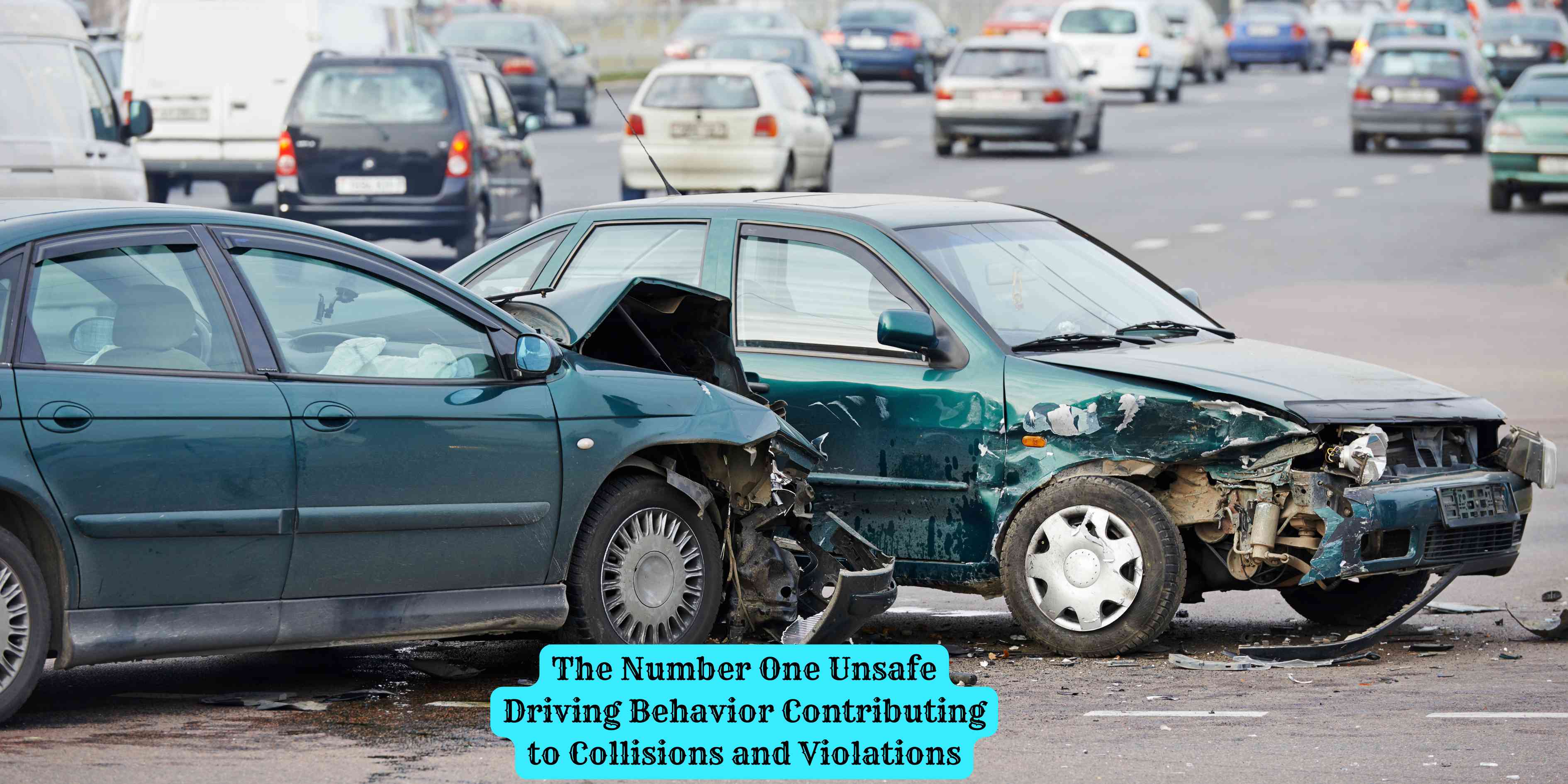
The number one unsafe driving behavior often identified as contributing to collisions and violations is speeding. Speeding includes driving above the posted speed limit or driving too fast for conditions, such as rain, traffic, curves, darkness, construction zones, or poor visibility.
Other dangerous behaviors, including distracted driving, impaired driving, aggressive driving, and running red lights, are also major risks. But speeding is one of the most common and consistently dangerous behaviors because it makes nearly every crash more likely and more severe.
Speeding increases both the chance of a collision and the seriousness of the injuries that can follow.
Why Speeding Is So Dangerous
Speeding reduces the time a driver has to see, think, and react. At higher speeds, a car covers more distance every second.
That means a small delay can become a major crash. A driver who is texting, tired, or distracted has even less time to recover when speeding.
Speed also increases crash force. The faster a vehicle is moving, the more energy is released in a collision.
It Increases Stopping Distance
Stopping distance includes reaction distance and braking distance. Reaction distance is how far the car travels while the driver notices danger and responds. Braking distance is how far the car travels after braking begins.
Both can increase with speed. Wet roads, worn tires, poor brakes, gravel, ice, and heavy loads can make the distance even longer.
This is why speeding in bad weather is dangerous even if the driver is technically near the posted limit.
It Leads to More Violations
Speeding is also a common traffic violation. Drivers may receive tickets for exceeding the posted limit, driving too fast for conditions, racing, reckless driving, or aggressive driving.
Violations can lead to fines, points on a license, higher insurance costs, license suspension, or legal consequences after a crash.
The financial cost is one reason speeding is unsafe even before a collision happens.
It Makes Other Mistakes Worse
Many crashes involve more than one behavior. A driver may speed while distracted, tired, angry, impaired, or following too closely.
Speeding makes those mistakes harder to survive. A phone glance, lane drift, or missed stop sign becomes more dangerous when the car is moving faster.
Safe driving depends on leaving enough time and space to correct human error.
It Reduces Vehicle Control
At higher speeds, steering inputs have bigger consequences. Curves, lane changes, sudden braking, potholes, and obstacles become harder to manage.
Speeding can also increase the risk of losing control, especially on wet, icy, uneven, or winding roads.
A driver may feel in control until something unexpected happens. Safety is tested during surprises, not during perfect conditions.
Distracted Driving Is Also Serious
NHTSA reports thousands of deaths and hundreds of thousands of injuries in distraction-affected crashes. Distracted driving includes texting, phone use, eating, adjusting controls, or looking away from the road.
Distracted driving is extremely dangerous, but it often becomes worse when combined with speed.
A driver who looks away at highway speed can travel a long distance without watching the road.
Impaired Driving Is Also Serious
Alcohol and drug impairment remain major causes of fatal crashes. Impairment affects judgment, reaction time, coordination, vision, and decision-making.
Like distraction, impairment becomes even more dangerous at higher speeds.
The safest answer is never to drive impaired and never to ride with someone who is impaired.
How to Reduce the Risk
Drivers can reduce risk by following posted limits, slowing down for conditions, leaving more following distance, avoiding phone use, planning extra time, and staying calm around aggressive drivers.
Using cruise control appropriately on highways may help some drivers maintain steady legal speed, but it should not be used in heavy traffic, rain, ice, or situations requiring constant speed adjustment.
Good driving is not only legal driving. It is driving at a speed that fits the road.
It also means adjusting before trouble appears. Slowing down near schools, work zones, intersections, pedestrians, and heavy traffic gives everyone more room for mistakes.
Bottom Line
Speeding is commonly treated as the number one unsafe driving behavior contributing to collisions and violations because it increases crash risk, stopping distance, loss of control, legal penalties, and injury severity.
Distracted and impaired driving are also deadly, but speeding makes almost every driving mistake more dangerous.