

What Is Culturally Responsive Teaching?
Culturally responsive teaching uses students' cultural backgrounds, experiences, languages, and perspectives as strengths that support learning.
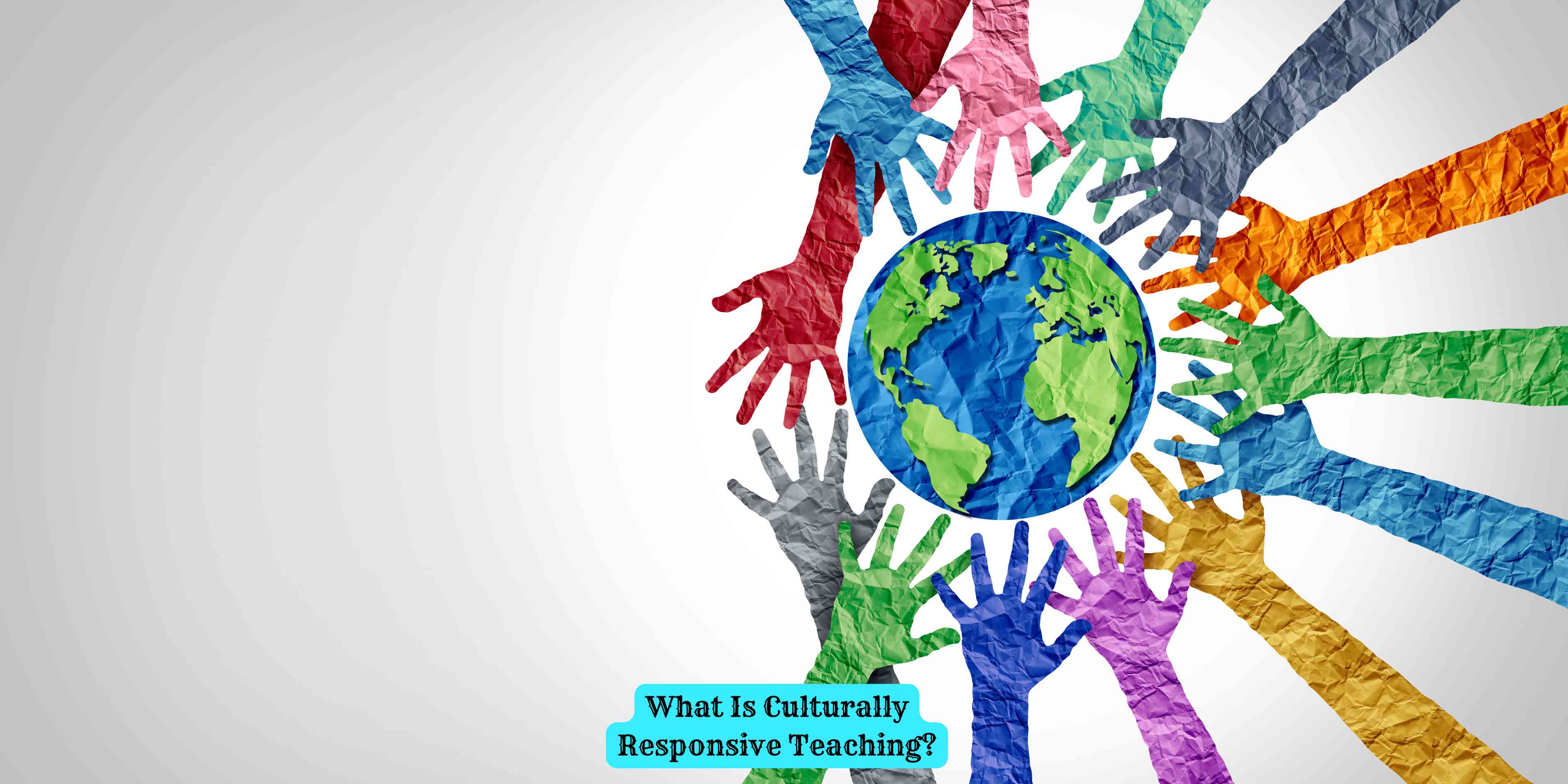
Culturally responsive teaching is an approach that uses students’ cultures, languages, experiences, identities, and perspectives as assets for learning. It does not treat students’ backgrounds as distractions from school. It treats them as meaningful resources that can make instruction more relevant, respectful, and effective.
The idea is strongly associated with scholars such as Gloria Ladson-Billings and Geneva Gay. Education Week describes culturally responsive teaching as using students’ customs, characteristics, experiences, and perspectives as tools for better classroom instruction.
Culturally responsive teaching means students do not have to leave who they are at the classroom door in order to learn well.
It is not a one-day cultural celebration. It is an everyday way of planning, teaching, listening, and building classroom relationships.
The Short Answer
Culturally responsive teaching is teaching that connects learning to students’ lived experiences and cultural knowledge. It helps students see themselves as capable learners and helps teachers design instruction that is relevant, rigorous, and inclusive.
It can include:
- Learning about students’ backgrounds
- Using examples students recognize
- Respecting home languages and dialects
- Choosing diverse texts and materials
- Building strong relationships
- Challenging deficit thinking
- Encouraging high expectations for all students
- Helping students think critically about society
The goal is not to stereotype students by culture. The goal is to know students well enough to teach them better.
Why Culture Matters in Learning
Culture shapes how people communicate, solve problems, relate to authority, express respect, tell stories, and make meaning. It can influence classroom participation, collaboration, humor, examples, family involvement, and learning preferences.
Teachers do not need to know everything about every culture. They do need humility, curiosity, and willingness to learn from students and families.
Ignoring culture does not make a classroom neutral. It often means the classroom reflects only the dominant culture while pretending that everyone is the same.
Culturally responsive teaching helps students feel seen. When students feel seen and respected, they are more likely to participate, take academic risks, and connect new learning to what they already know.
This supports both belonging and achievement.
What It Looks Like in Practice
Culturally responsive teaching can appear in many classroom decisions.
A teacher might choose books by authors from varied backgrounds. A math teacher might use data examples connected to students’ communities. A science teacher might highlight scientists from different cultures. A history teacher might include multiple perspectives instead of only one dominant narrative.
It also shows up in relationships. The teacher learns students’ names correctly, communicates with families respectfully, and avoids assuming that quietness, directness, eye contact, or language difference means the same thing for every student.
It can also include flexible discussion structures. Some students may shine in small groups before speaking to the whole class. Others may express understanding through art, oral explanation, writing, or demonstration.
The content remains rigorous. Culturally responsive teaching is not easier teaching. It is more connected teaching.
What It Is Not
Culturally responsive teaching is not lowering standards. In fact, it requires high expectations because it assumes all students can learn deeply when instruction respects their strengths.
It is not stereotyping. A teacher should not assume that every student from a particular background thinks, speaks, or learns the same way.
It is not only about holidays, food, flags, or clothing. Those can be part of cultural learning, but they are not enough.
It is not political performance. At its best, culturally responsive teaching is a practical classroom approach: know your students, respect their identities, connect learning to meaning, and remove unnecessary barriers.
It is also not only for students of color. All students benefit from learning in classrooms that respect diversity and prepare them to understand a complex world.
Why It Helps Students
Culturally responsive teaching can support belonging, engagement, confidence, and academic learning. When students see their lives connected to school knowledge, learning can feel more meaningful.
It can also reduce discipline problems that come from misunderstanding. If teachers understand communication styles, family contexts, and cultural differences, they may respond more fairly.
Students also learn to value perspectives beyond their own. A culturally responsive classroom can teach respect without pretending everyone has the same experience.
This matters for long-term education. Students who feel excluded may disengage. Students who feel respected are more likely to stay connected to learning.
For a related foundation, read why students need good teachers.
How Teachers Can Start
Teachers can begin by learning about students as individuals. Use surveys, conversations, family communication, student writing, and observation.
Review classroom materials. Ask whose stories appear often and whose stories are missing.
Reflect on discipline patterns. Are some groups corrected more often for the same behaviors? Are expectations clear and culturally fair?
Use examples from students’ lives, but avoid putting students on the spot as representatives of a group.
Keep learning. Culturally responsive teaching is not a checklist to finish. It is a professional habit of reflection and adjustment.
Common Mistakes to Avoid
One mistake is tokenism. Adding one diverse book or celebrating one holiday does not make instruction culturally responsive.
Another mistake is assuming culture explains everything. Students are shaped by many factors: personality, family, language, disability, income, interests, and individual experience.
A third mistake is avoiding difficult topics. Respectful classrooms can discuss identity, fairness, history, and community with care.
Finally, teachers should avoid deficit language. Students’ home languages, neighborhoods, families, and cultures are not problems to erase. They are part of the learner’s story.
Final Thoughts
Culturally responsive teaching uses students’ cultures and experiences as strengths for learning. It makes classrooms more relevant, respectful, and inclusive while maintaining high expectations.
The heart of the approach is simple: know students well, teach them seriously, and honor the knowledge they bring with them.