

Top 10 Subtle Signs Someone Is Cheating on You
Subtle changes can raise concern, but the healthiest response is careful observation, honest conversation, and clear boundaries.
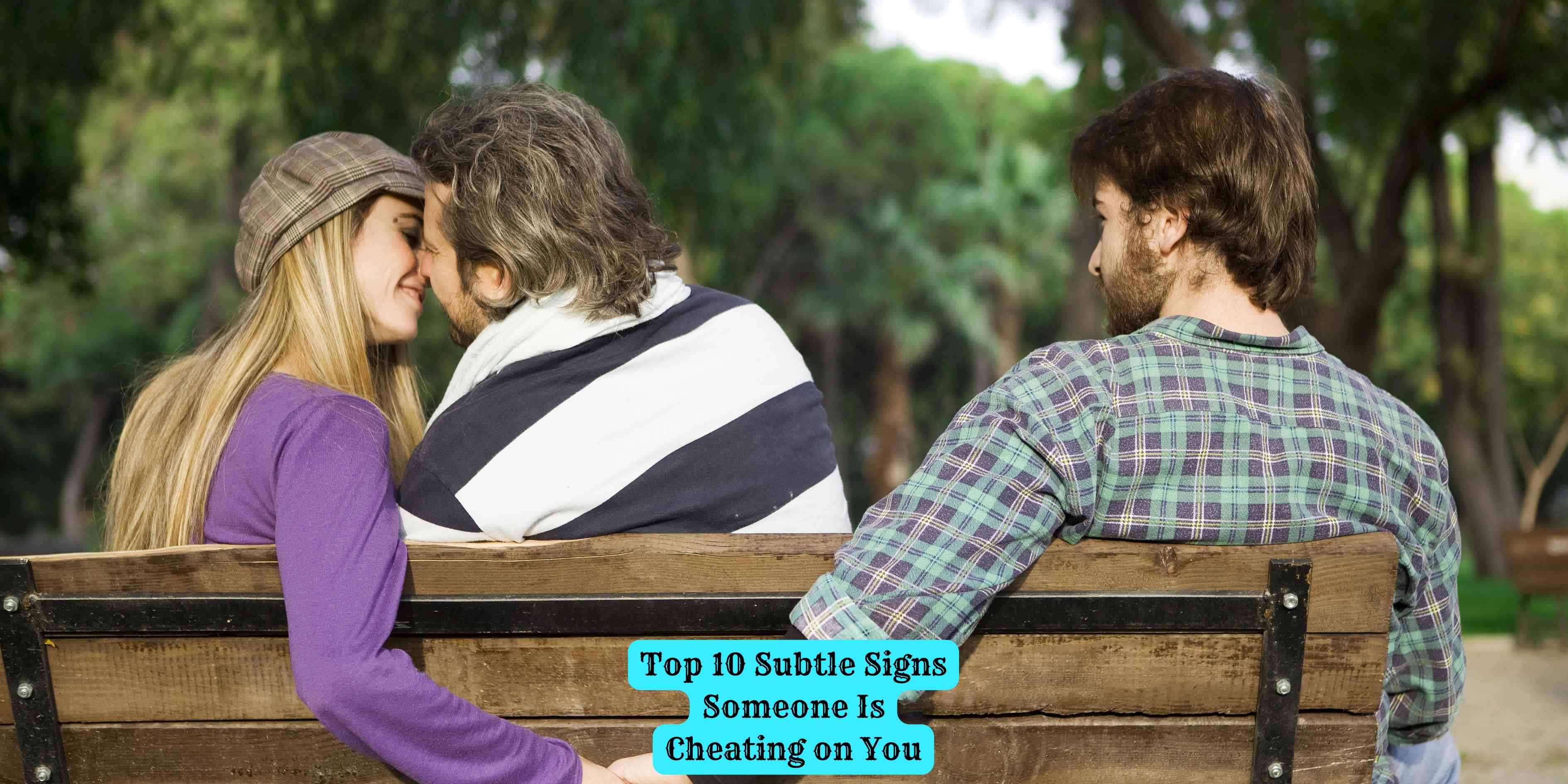
Subtle signs someone may be cheating include secrecy with their phone, emotional distance, sudden schedule changes, defensive reactions, unexplained expenses, less intimacy, new grooming habits, inconsistent stories, changed social media behavior, and a gut feeling supported by patterns.
One sign alone does not prove cheating, but repeated secrecy plus emotional distance deserves a calm and direct conversation.
Signs 1-3: Privacy, Distance, and Schedule Changes
1. Their phone habits suddenly change
Privacy is normal. Secrecy is different. A subtle warning sign is a sudden change in how your partner handles their phone: turning it face down, taking it everywhere, changing passwords without explanation, hiding notifications, or reacting sharply when you are near it.
This does not automatically mean cheating. People may protect work messages, family issues, or personal stress. But if the change appears together with emotional distance, it becomes more concerning.
2. They seem emotionally unavailable
Cheating is not only physical. Sometimes the first sign is emotional withdrawal. Your partner may stop sharing details, stop asking about your day, avoid meaningful conversations, or seem mentally absent even when physically present.
Emotional distance can also come from depression, burnout, resentment, or stress. The key question is whether they are willing to talk about it honestly.
3. Their routine becomes harder to understand
New schedule changes can be innocent. Jobs change, friendships grow, and responsibilities shift. But repeated vague explanations can be a subtle sign.
Pay attention if they frequently stay late, make last-minute plans, become unreachable, or give explanations that do not match what later happens.
Signs 4-6: Defensiveness, Money, and Intimacy Shifts
4. They become unusually defensive
Someone who is hiding something may overreact to ordinary questions. A simple “How was your night?” may turn into an argument about trust, control, or privacy.
Defensiveness is not proof, but it can be revealing when normal curiosity is treated like an accusation.
5. There are unexplained expenses
Cheating sometimes leaves financial traces: restaurant charges, gifts, rideshares, hotel bookings, cash withdrawals, or subscriptions that do not fit the usual pattern.
Do not secretly invade accounts or break the law. But if shared finances show unexplained spending, it is fair to ask for clarity.
6. Physical intimacy changes sharply
Some people become less affectionate because they feel guilty, distracted, or emotionally invested elsewhere. Others become more affectionate to cover guilt or avoid suspicion.
The important sign is not simply more or less intimacy. It is a sudden change that your partner refuses to discuss honestly.
Signs 7-10: Appearance, Stories, Social Media, and Instincts
7. They suddenly care much more about appearance
Self-improvement is healthy. A new haircut, better clothes, or fitness goals are not bad signs by themselves. The concern is when appearance changes are paired with secrecy, unexplained plans, or emotional withdrawal.
Look at the full pattern, not one behavior.
8. Their stories do not stay consistent
Small inconsistencies happen to everyone. But repeated contradictions can matter. They may say they were with one person, then later mention someone else. They may forget details or become irritated when you ask reasonable follow-up questions.
Inconsistent stories often signal that something is being hidden, even if the hidden issue is not cheating.
9. Their social media behavior shifts
They may hide tagged photos, limit what you can see, become secretive about comments, follow new accounts obsessively, or stop posting about the relationship.
Social media is not the relationship itself, but sudden secrecy online can reflect a change offline.
10. Your intuition is reacting to a pattern
A gut feeling can be useful, but it should be checked against facts. Anxiety can create suspicion where there is no betrayal. At the same time, many people sense distance before they can explain it.
Ask yourself: Is this one fear, or a consistent pattern of secrecy, withdrawal, and dishonesty?
What to Do Before Accusing Them
Slow down. Write down the specific behaviors that concern you. Avoid spying, threats, public confrontation, or testing them through fake accounts.
Choose a calm moment and speak clearly: “I have noticed these changes, and I feel disconnected and worried. Can we talk honestly about what is going on?”
Their response matters. A caring partner may feel uncomfortable, but they should still be willing to listen, explain, and rebuild trust.
Key Takeaway
Subtle signs of cheating are usually patterns, not single moments. Phone secrecy, emotional distance, inconsistent stories, and defensiveness matter most when they appear together.
You do not need perfect proof to ask for honesty. You do need enough calm to avoid turning fear into accusation before you understand the truth.