

How to Build Trust in a Relationship, According to a Family Therapist
Trust grows through consistent honesty, emotional safety, repair after conflict, and small daily choices that show reliability.
The Short Answer
To build trust in a relationship, act consistently, tell the truth, keep promises, listen with empathy, repair harm quickly, and create clear boundaries. A family therapist would usually look less for dramatic speeches and more for repeated patterns of safety over time.
Trust is built when your words, actions, and emotional presence become reliable.
If trust was broken by lying, betrayal, secrecy, or neglect, rebuilding it may take time. The hurt partner needs honesty and patience, while the partner who caused harm needs accountability without defensiveness.
What Trust Really Means
Trust is not blind belief. It is the confidence that your partner is emotionally safe, honest, dependable, and willing to protect the relationship.
In a healthy relationship, trust means:
- I can believe what you tell me.
- I can bring up concerns without being punished.
- I can count on you to follow through.
- I do not have to monitor you to feel safe.
- You care when your actions hurt me.
- We can repair conflict instead of ignoring it.
Trust is both emotional and behavioral. You need caring words, but you also need actions that match.
Start with Honesty
Trust cannot grow where lying is normal. Honesty does not mean saying every thought harshly. It means telling the truth in a way that protects reality instead of manipulating it.
Honesty includes:
- Admitting mistakes
- Not hiding important information
- Being clear about expectations
- Avoiding half-truths
- Saying what you need directly
- Not using silence to punish
If lying has already damaged the relationship, the first step is not demanding immediate trust. The first step is becoming consistently truthful.
Keep Small Promises
Big trust is often built through small promises. Calling when you said you would, showing up on time, following through on chores, and remembering important details all tell your partner, “You can rely on me.”
Small promises may seem ordinary, but they form the daily evidence of trustworthiness.
If you cannot keep a promise, say so early. A delayed honest update is better than disappearing, pretending, or making excuses later.
Practice Emotional Attunement
Emotional attunement means paying attention to your partner’s feelings and responding with care. It does not mean agreeing with everything. It means trying to understand the emotional meaning behind what your partner says.
Examples:
- “That sounds really disappointing.”
- “I can see why that hurt.”
- “Tell me more about what you needed from me.”
- “I did not realize it felt that way to you.”
Trust grows when partners feel emotionally seen, not dismissed.
Repair Conflict Quickly
Every couple has conflict. Trust depends on what happens afterward.
Repair may include:
- Apologizing clearly
- Naming the specific hurt
- Listening without interrupting
- Taking responsibility
- Asking what would help
- Changing future behavior
A weak apology says, “I’m sorry you feel that way.” A stronger apology says, “I see that what I did hurt you, and I understand why.”
Be Transparent Without Becoming Controlling
Transparency can help rebuild trust, especially after secrecy or betrayal. But transparency should not become permanent surveillance.
Healthy transparency might include explaining plans, answering reasonable questions, and being open about major concerns. Unhealthy control might include demanding passwords, tracking locations, or checking messages constantly.
If the relationship cannot feel safe without monitoring, it may need counseling or deeper repair work.
Build Boundaries Together
Trust improves when both partners understand what is acceptable. Boundaries reduce confusion and resentment.
Talk about:
- Communication with exes
- Social media behavior
- Flirting
- Privacy
- Money
- Time with friends
- Conflict rules
- Sexual expectations
If boundaries are unclear, each partner may assume the other “should have known.” Clear boundaries make trust easier to protect.
Know When to Get Help
Some trust problems are too heavy to repair alone. Therapy can help when there has been betrayal, repeated lying, emotional abuse, addiction, ongoing conflict, or fear of speaking honestly.
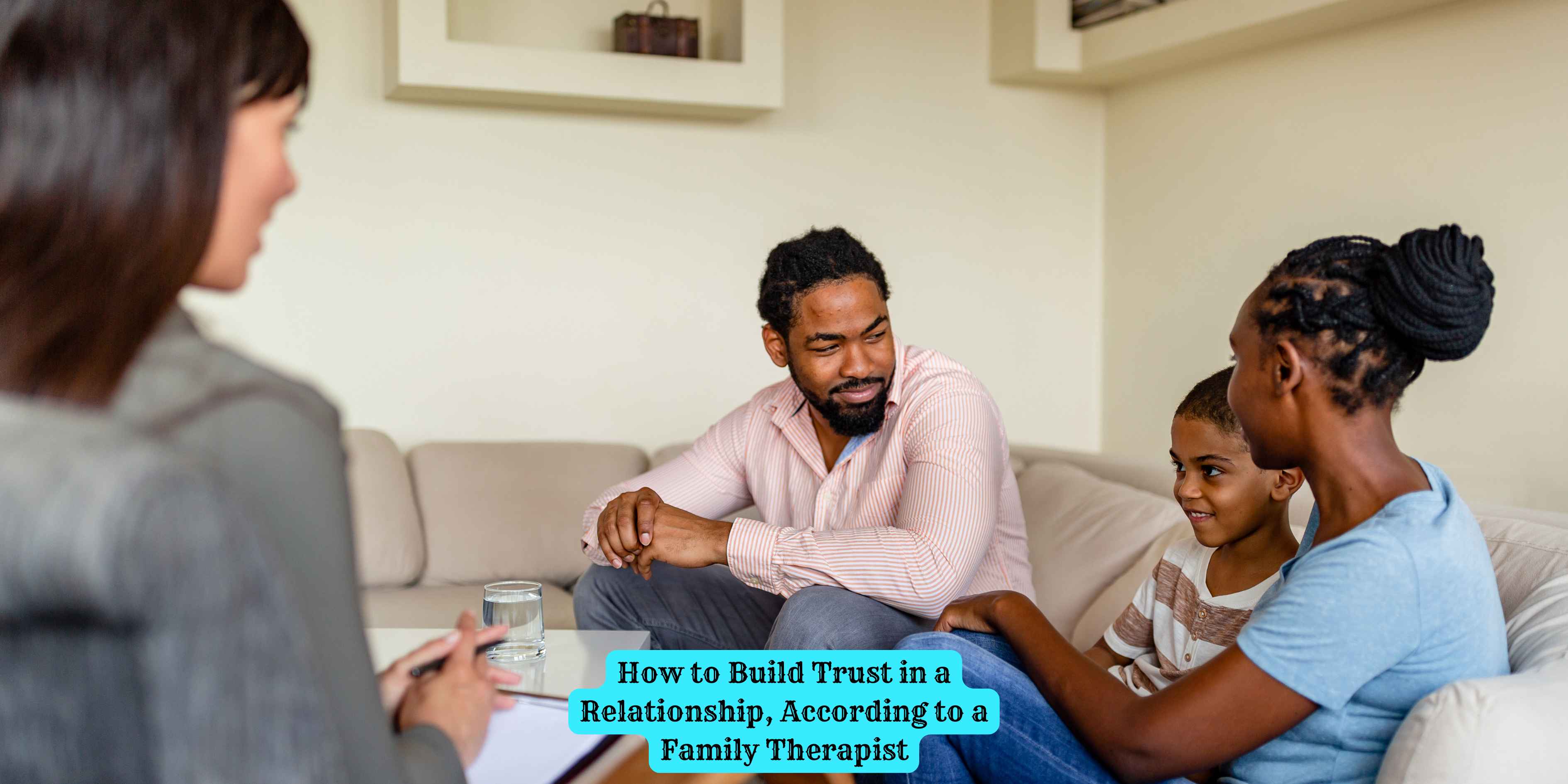
Couples therapy or family therapy can provide structure, but both people must be willing to participate honestly. Therapy cannot rebuild trust if one person continues to deceive or intimidate the other.
Final Takeaway
Building trust in a relationship takes consistency, honesty, empathy, repair, and time. It is not built by one emotional conversation. It is built by repeated choices that prove the relationship is safe.
Trust grows when both people can tell the truth, repair harm, respect boundaries, and show through daily behavior that love is dependable.